What the Iran strikes mean for Europe
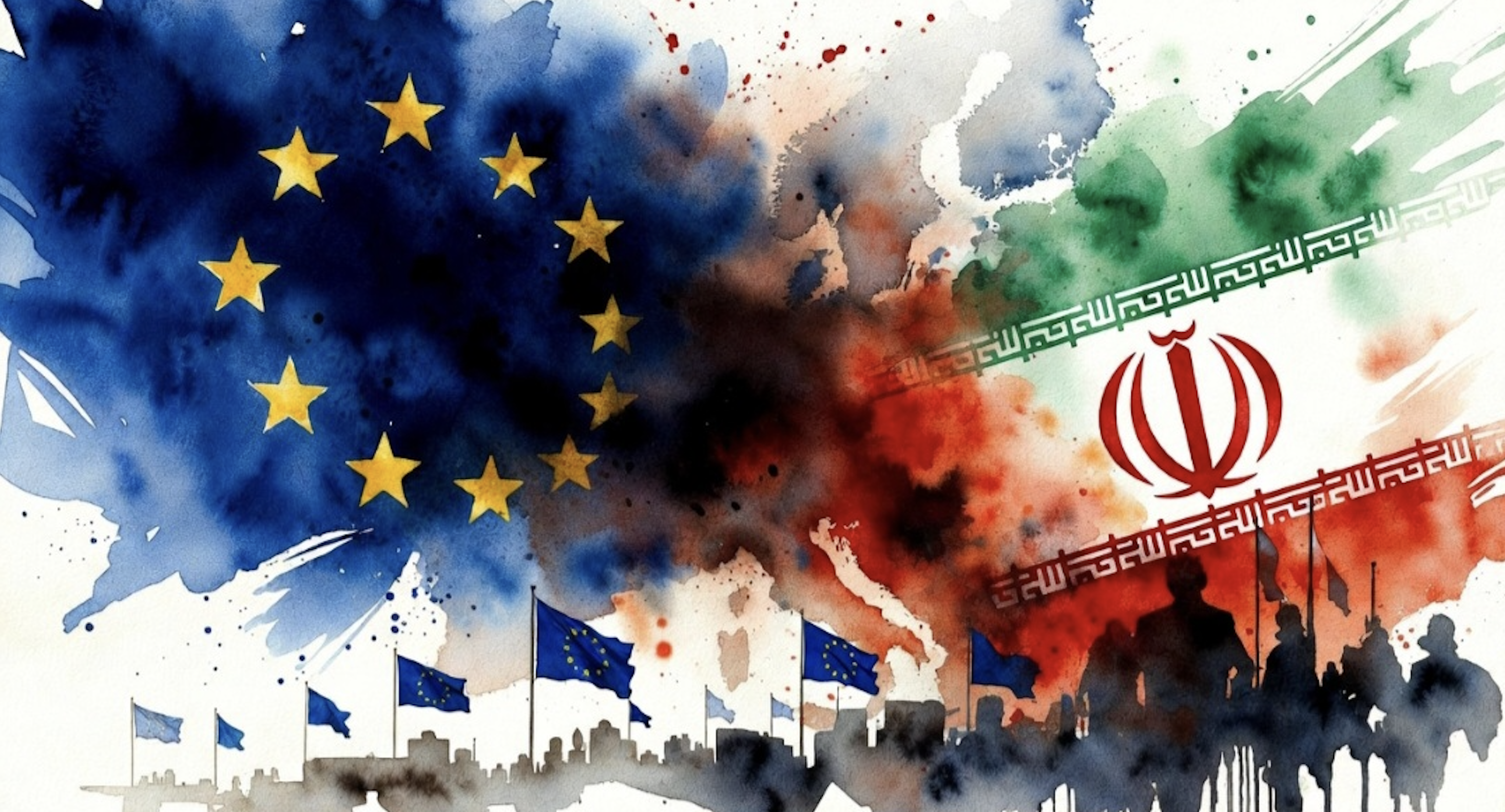
While Washington calls the strikes on Iran “Operation Epic Fury,” Brussels is choosing its words far more carefully. European Commission president Ursula von der Leyen and António Costa called events “greatly concerning.” Macron said “outbreak of war” and demanded an emergency UN Security Council session. Europe is against it – but without a clear path to influence events.
The problem is that Europe can't afford to stand on the sidelines. It's first in line for the consequences.
The strait Europe can't afford to lose
Iran was still exporting around 1.9 million barrels per day as recently as December, sanctions notwithstanding. The Strait of Hormuz handles a quarter of the world's seaborne oil trade and a fifth of global LNG shipments. On Saturday, Iran's Revolutionary Guard began blocking vessels near the strait. War risk insurers are already sending cancellation notices on tanker policies – according to the Financial Times, premiums could rise as much as 50% in the coming days. The Houthis, who had been observing relatively quiet under their deal with Washington, resumed attacks on shipping and Israel within hours of the strikes.
Europe knows this route well – literally. Just five days ago, the EU Council extended its EUNAVFOR Aspides naval mission through February 2027, specifically to protect freedom of navigation around the Strait of Hormuz. That mission may now face a scenario it was never designed for.
Energy costs don't wait for diplomacy
Freight rates and insurance costs don't need a formal Hormuz closure to become a problem. Manufacturers importing components through the Gulf, retailers dependent on Asian supply chains – all of them will feel it before policymakers agree on the wording of their next statement. GasBuddy analysts are projecting a 5–10% rise in fuel prices.
Europe doesn't buy much Iranian oil anymore – Norway, the US, and Kazakhstan have been its main suppliers since 2022. But oil markets don't work by postcode. A disruption anywhere feeds into a global price, and even if physical shortages are covered by strategic reserves or extra North Sea output, the risk premium stays. For European consumers, where energy costs have been a raw nerve for years, that's not an abstract number.
Brussels has few cards left to play
The EU also has few pressure points it hasn't already used. In January 2026, Brussels imposed fresh sanctions on Iran over drone supplies to Russia and human rights violations. There isn't much room for the next package. Diplomatic leverage is equally thin: Tehran has already tilted toward Moscow and Beijing, Thursday's Geneva negotiations ended without a breakthrough, and Trump publicly said on Friday he was “not happy with the way Iran is negotiating.”Europe enters this crisis carrying the weight of recent years – high energy prices, a slowing German economy, political turbulence in the UK. The risk is that it all converges at the moment when Brussels has the least room to maneuver and the fewest allies willing to listen.
The content on The Coinomist is for informational purposes only and should not be interpreted as financial advice. While we strive to provide accurate and up-to-date information, we do not guarantee the accuracy, completeness, or reliability of any content. Neither we accept liability for any errors or omissions in the information provided or for any financial losses incurred as a result of relying on this information. Actions based on this content are at your own risk. Always do your own research and consult a professional. See our Terms, Privacy Policy, and Disclaimers for more details.
Articles by this author