Europe’s crypto market set to reach $20 billion, projects WhiteBIT CEO

Europe’s crypto market is projected to reach $20 billion by 2030, according to WhiteBIT founder Volodymyr Nosov, who spoke at the CAPITAL MARKETS CONFERENCE 2025 in Zagreb alongside deputy prime ministers from Croatia and Slovenia.
WhiteBIT founder and CEO Volodymyr Nosov spoke at the CAPITAL MARKETS CONFERENCE 2025 in Zagreb this week as a featured speaker, appearing on a panel with Marko Primorac, Croatia's Deputy Prime Minister and Minister of Finance, and his Slovenian counterpart Klemen Boštjančič. The event also drew Ivan Gažić, CEO of the Zagreb Stock Exchange, along with heads of multiple financial institutions.

The main focus was the role of digital assets in the region’s economic plans. The conference made clear that governments in the region now treat cryptocurrencies as strategic instruments rather than mere retail speculation.
Projections for European crypto growth
Nosov forecasted strong growth, estimating the European crypto market could double by 2030. He estimates the European crypto market – currently valued between $7–10 billion – will double by decade's end, reaching $18–20 billion. That represents annual expansion of 16–20%, with Croatia and Slovenia participating in the upswing.
The Croatian market has nearly doubled over a two-year span, rising from $3.3 million in 2023 to $6.1 million in 2024. For 2025, revenue is forecast to surpass €14.8 million. Roughly 200,000 Croatians now hold digital assets, along with 100,000 Slovenians – while modest in size, these numbers are meaningful for mid-sized economies.
New EU regulations open up even more opportunities for businesses and state institutions,
Nosov said during the panel.
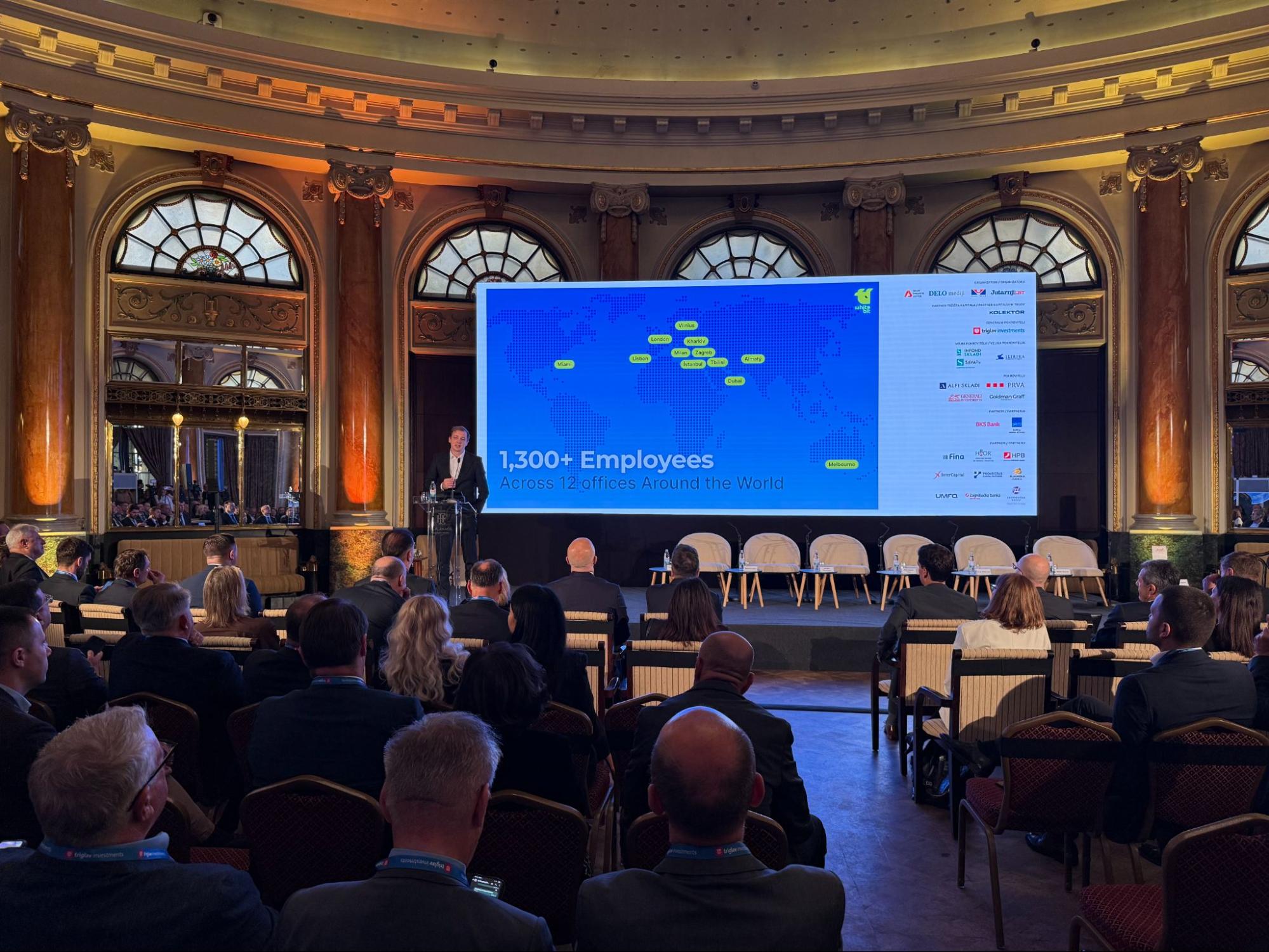
He highlighted additional indicators of mainstream adoption:
- global crypto market capitalization reached $4 trillion (up 70% year-over-year, per CoinGecko),
- 600 million people worldwide hold digital assets,
- 137 countries are developing or testing central bank digital currencies.
Ljubljana leads global crypto-friendly cities ranking
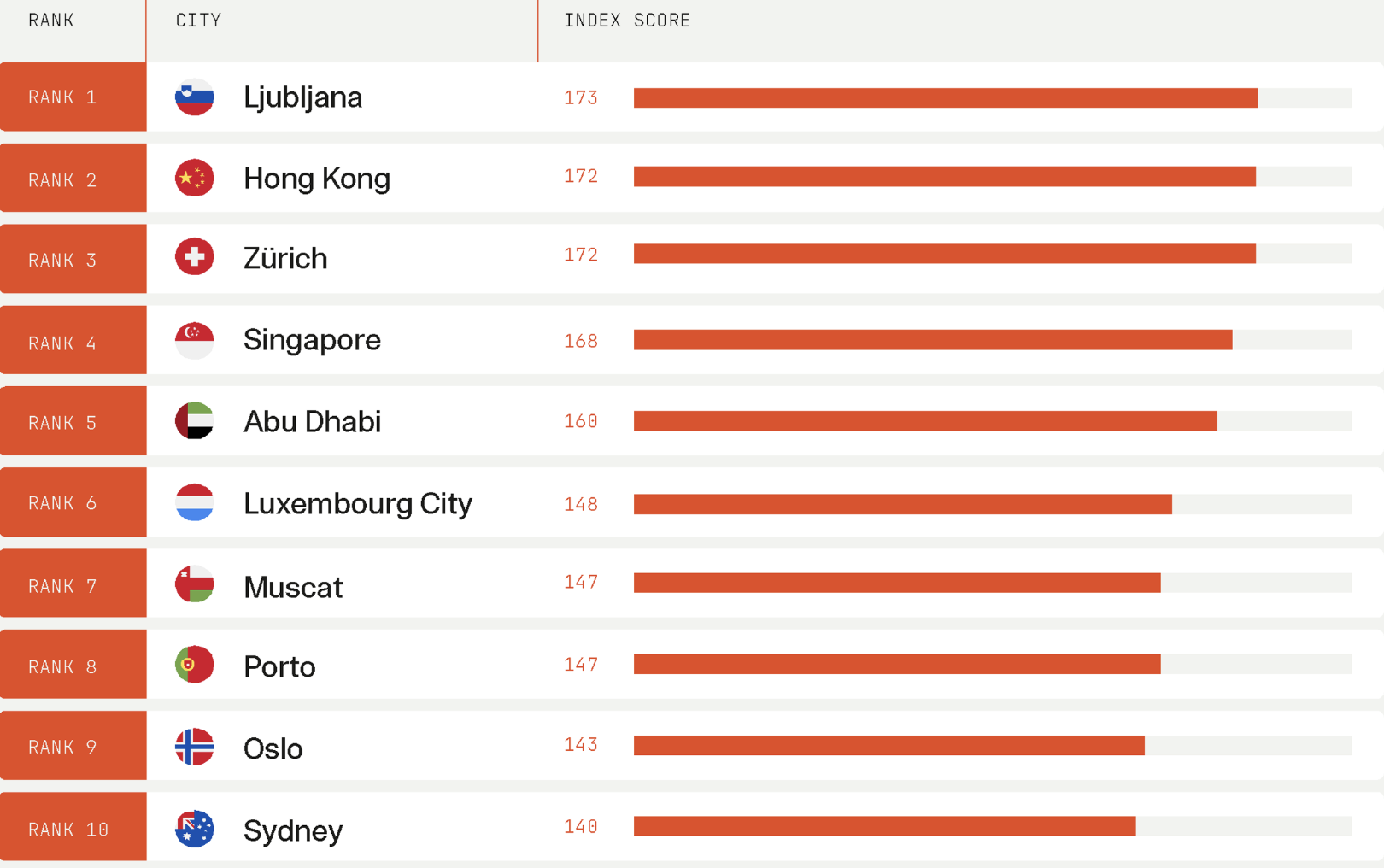
Slovenia earned recognition on another front: Ljubljana, the nation's capital, topped the 2025 worldwide ranking of crypto-friendly cities, ahead of Hong Kong and Zurich. The list weighs regulatory transparency, infrastructure quality, and receptiveness to blockchain innovation – criteria that weigh heavily when exchanges and investment funds choose locations.
More stock exchanges are shifting to blockchain, and governments now treat crypto as a policy tool, not just speculation.
Volodymyr Nosov summed it up directly:
The crypto industry is not just growing – it is becoming an integral part of the global economy.
On a related note, WhiteBIT CMO Alex Kozenko recently expressed similar views in conversation with us. His full exclusive interview is available on the GNcrypto portal.
Household finances and infrastructure investment
A separate panel examined strategies for households seeking to protect savings amid inflation and geopolitical volatility that have eroded the appeal of conventional bank deposits. Participants weighed diversified investment portfolios, retail-oriented government bonds, and specialized financial accounts as viable alternatives to traditional banking products.
A third session addressed capital mobilization for regional infrastructure needs – spanning energy initiatives, sustainability transitions, and digital modernization. Topics included public-private partnership frameworks, project-specific bond offerings, selective privatization of state enterprises, and coordinated Croatian-Slovenian engagement with European funding mechanisms.
The fact that a CEO from Europe's highest-traffic crypto exchange shared a platform with deputy prime ministers from established democracies shows how digital assets are entering mainstream economic policy in Central and Southeast Europe.
The content on The Coinomist is for informational purposes only and should not be interpreted as financial advice. While we strive to provide accurate and up-to-date information, we do not guarantee the accuracy, completeness, or reliability of any content. Neither we accept liability for any errors or omissions in the information provided or for any financial losses incurred as a result of relying on this information. Actions based on this content are at your own risk. Always do your own research and consult a professional. See our Terms, Privacy Policy, and Disclaimers for more details.
Articles by this author