Can Ukraine become Europe’s next crypto capital?

Ukraine’s virtual assets bill could transform the country’s economy. But only if lawmakers nail the details. WhiteBIT CEO Volodymyr Nosov – head of Europe’s largest exchange by traffic – outlines what the crypto industry wants to see.
In early September, Ukraine's Parliament passed Bill No. 10225-d in first reading – legislation that could make or break the country's crypto ambitions.
Volodymyr Nosov, co-founder of WhiteBIT exchange and a leading voice in Ukraine's crypto scene, laid out his vision in a Kyiv Post op-ed. His take: Ukraine has what it takes to rival Switzerland or Estonia as a crypto-friendly jurisdiction.
But the window won't stay open forever.
Billions in investment at stake
Nosov's optimism has real backing. Countries that nailed crypto regulation saw massive returns. Switzerland's Crypto Valley in Zug pulled in over $1 billion in venture capital. Lithuania issued 400+ crypto licenses, turning Vilnius into a fintech powerhouse. Estonia's e-Residency program paired with clear crypto rules made it a magnet for digital nomads and blockchain startups.
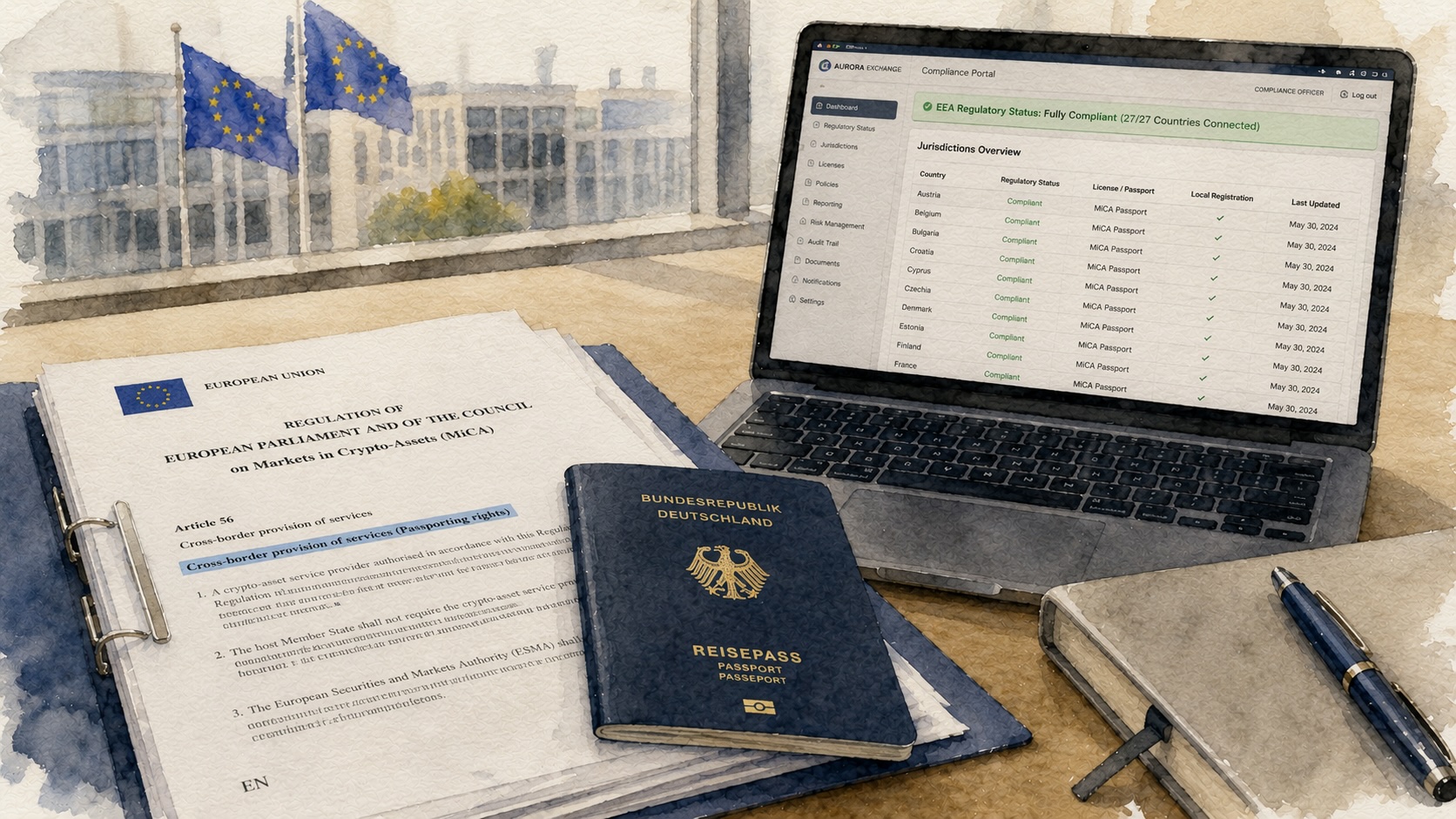
Ukraine's edge? A deep talent pool of crypto-literate developers, established infrastructure, and – critically – Ukrainian companies already operating under EU's MiCA framework. Nosov argues these homegrown players deserve priority treatment to bring their operations (and tax revenues) back home.
The 5% tax proposal that could decide everything
Nosov gets specific: a two-year grace period with 5% income tax on virtual asset gains for both companies and individuals.
His logic is straightforward. Set taxes too high, businesses stay in Malta or Portugal. Get it right, you create a competitive advantage that pulls in capital. It's the same playbook Portugal used with crypto tax exemptions until 2023 – the country became a hotspot for crypto conferences and relocating traders.
The risk Nosov flags: Ukraine lacks the institutional maturity of EU states. Blindly copying MiCA without adapting to local realities could backfire. The country still wrestles with banking infrastructure gaps, anti-money laundering systems, and corruption – problems one law can't fix.
The Russia problem: security vs. openness
One non-negotiable in Nosov's vision: total ban on any companies with Russian ties. No exceptions, no matter how attractive their investment looks.
That creates tension. Ukraine wants global capital. But security concerns are real. Russia has a documented playbook of weaponizing financial channels for hybrid warfare.
The challenge: enforce these bans without creating loopholes or false flags that hurt legitimate business.
Who watches the watchers?
The toughest question dodged: which government body oversees the crypto market? Nosov only notes it must be “flexible” and “tech-savvy” – ruling out most existing Ukrainian bureaucracies.
The regulator matters more than tax rates. Even with perfect laws, a hostile or incompetent regulator can kill a market. Just ask anyone who dealt with the SEC’s ‘regulation by enforcement’ in the U.S.
Stablecoins as business capital?
One radical idea in Nosov's piece: allow stablecoins as charter capital for Ukrainian companies. This would let businesses raise capital in USDT or USDC instead of only hryvnia – valuable in a country concerned about currency volatility.
It's a bold concept most crypto-friendly jurisdictions haven't fully implemented. But it could give Ukrainian startups a real edge attracting international investors who prefer dollar-denominated assets.
The Diia.City.United wildcard
Nosov mentions his industry group submitted proposals through Diia.City.United – Ukraine's special legal regime for tech companies. This matters because Diia.City already offers preferential tax treatment (5% income tax for residents).
If crypto regulations bundle with Diia.City's framework, adoption could accelerate. But it risks creating a two-tier system: one ruleset for tech companies, another for everyone else.
Will lawmakers listen?
The bill needs a second reading and multiple amendments. Key unresolved questions:
- Will foreign exchanges get equal treatment with Ukrainian ones?
- How are cross-border crypto transactions taxed?
- What happens to tokens issued in Russian-occupied territories?
- Can Ukrainians use crypto for real estate or car purchases?
Nosov's pitch – “Ukraine as Europe's crypto capital” – is aspiration, not description. The country starts from behind. Its banking system lags Estonia's. Its institutional trust trails Switzerland's. Its legal clarity falls short of Portugal's.
But Ukraine has one advantage those countries lacked: urgency. Post-war reconstruction will demand massive capital inflows. A well-designed crypto market could channel billions in investment that would otherwise go elsewhere.
Will Ukraine become Europe’s crypto leader?
Nosov's op-ed mixes policy proposals with lobbying. He represents an industry that benefits from favorable regulations. That doesn't make his arguments wrong – just context readers should note.
Passing a crypto law isn't the real test. The test is whether the final version creates genuine competitive advantages or just imports problems from other jurisdictions.
Get it right – reasonable taxes, strong security provisions, adapted MiCA principles – Ukraine could punch above its weight in crypto. Get it wrong, regulatory chaos drives business away.
The second reading of Bill 10225-d will show which path Ukraine takes.
The content on The Coinomist is for informational purposes only and should not be interpreted as financial advice. While we strive to provide accurate and up-to-date information, we do not guarantee the accuracy, completeness, or reliability of any content. Neither we accept liability for any errors or omissions in the information provided or for any financial losses incurred as a result of relying on this information. Actions based on this content are at your own risk. Always do your own research and consult a professional. See our Terms, Privacy Policy, and Disclaimers for more details.
Articles by this author