U.S. to start Hormuz shipping insurance with naval escorts
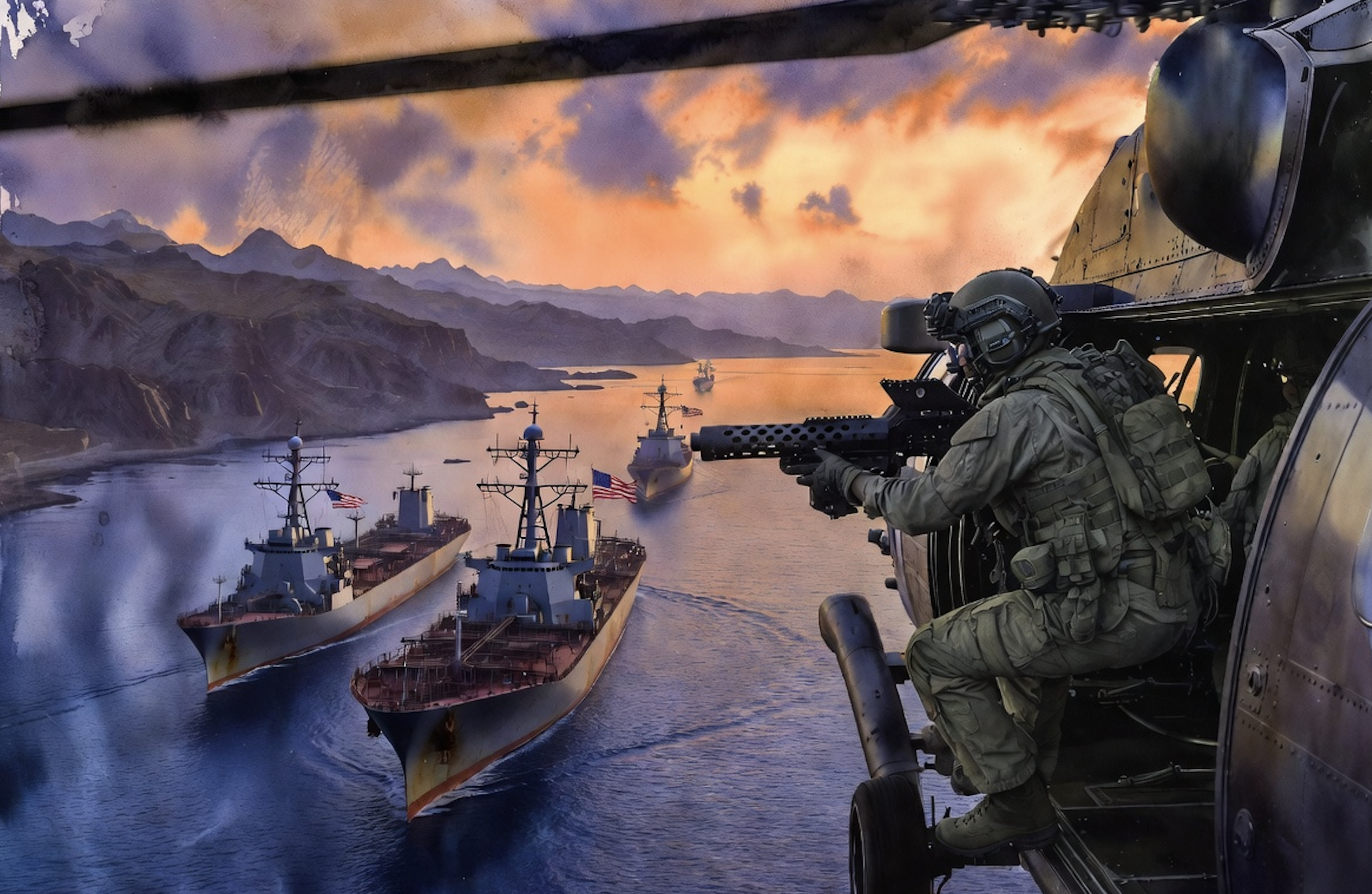
Treasury Secretary Scott Bessent stated a DFC maritime insurance program with U.S. naval escorts will begin soon to support safe tanker transits through the Strait of Hormuz.
The United States will soon launch a U.S. International Development Finance Corporation maritime insurance program paired with U.S. naval escorts to help secure transits through the Strait of Hormuz, Treasury Secretary Scott Bessent told a White House Cabinet meeting on Thursday.
The initiative would offer insurance guarantees for oil tankers and other commercial vessels using the waterway, a key route for energy shipments from the Gulf. First unveiled on March 3, the program has not yet registered covered voyages, but Bessent indicated activation is near.
The oil market is well-supplied. We’ve taken actions to ensure that oil supplies stranded at sea are made available to the global market, Bessent stated.
He added that the Development Finance Corporation’s “maritime reinsurance program, in conjunction with Central Command, will soon provide shippers through the Gulf region with a level of security we have never seen before.”
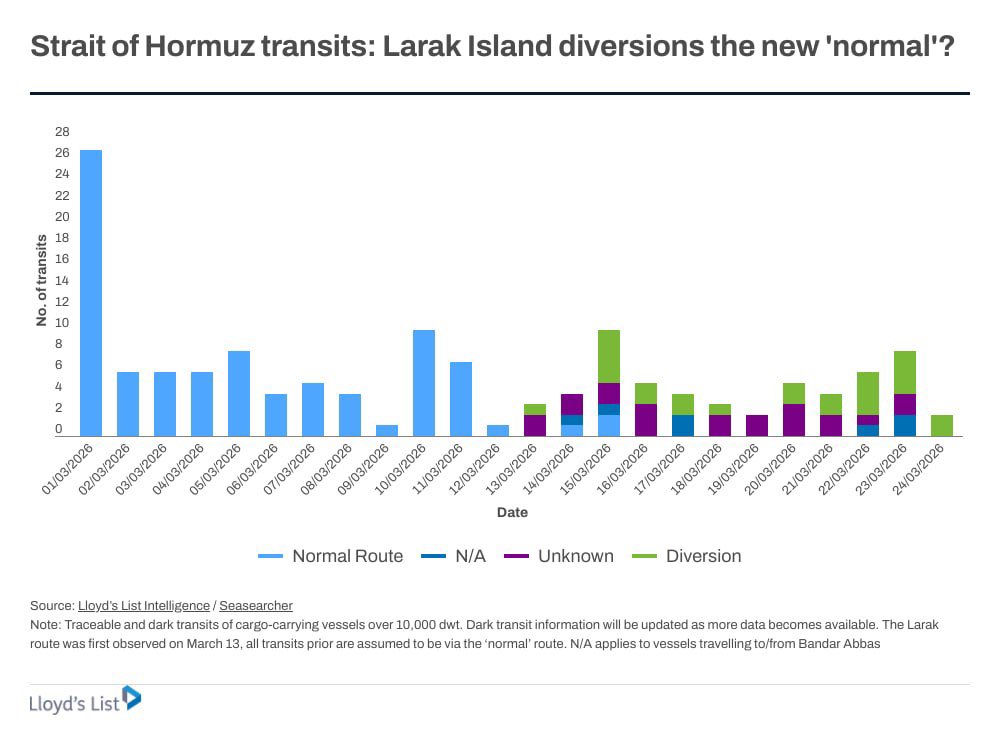
Bessent pointed to early signs of renewed tanker activity. “We are starting to see more and more movement in and out of the Gulf today-and this is more than yesterday, and this is the beginning,” he noted. “I am confident that shipping traffic will continue to increase on a daily basis even before we secure the straits.”
Energy markets have faced supply and price pressure since the war with Iran began on Feb. 28 and commercial traffic through the strait fell sharply. On Thursday, President Donald Trump stated that Tehran allowed 10 tankers to pass, yet many operators have avoided the route in recent weeks. Attacks attributed to Iran have damaged refining and gas processing facilities in the region, reducing some output.
Insuring ships to transit the area remains possible, though at high cost, according to Lloyd’s of London Chief Executive Patrick Tiernan, who indicated cover will continue to be available for vessels using the waterway. The DFC program is intended to lower risk by pairing financial backstops with military protection.
Bessent warned that higher gasoline and diesel prices threaten recent economic gains but argued the United States is better positioned to manage short-term disruption due to increased domestic production. “Many people underestimate the will of the American people for short-term volatility for 50 years of safety that we are going to have on the other side of this,” he remarked.
The administration has sought to ease supply strains by granting a waiver to maritime restrictions that normally limit shipments between U.S. ports to American-built, American-flagged and American-owned vessels, and by releasing millions of barrels of crude from the Strategic Petroleum Reserve. Additional measures are under review. “The gas tax, people have talked about it,” Trump noted of a possible suspension of the federal levy. He also mentioned “taking control of Iran’s oil” as an option under consideration.
The Strait of Hormuz connects the Persian Gulf to global markets and handles roughly one-fifth of the world’s oil and gas trade. After Trump threatened strikes on Iranian power infrastructure earlier in the conflict, Iran warned it would close the strait completely and target regional energy facilities.
Bessent described the forthcoming mix of insurance guarantees, naval escorts and domestic supply actions as a package meant to stabilize flows and encourage shipowners to re-enter the Gulf. He emphasized the program is imminent and projected a steady recovery in transits in the days ahead.
The content on The Coinomist is for informational purposes only and should not be interpreted as financial advice. While we strive to provide accurate and up-to-date information, we do not guarantee the accuracy, completeness, or reliability of any content. Neither we accept liability for any errors or omissions in the information provided or for any financial losses incurred as a result of relying on this information. Actions based on this content are at your own risk. Always do your own research and consult a professional. See our Terms, Privacy Policy, and Disclaimers for more details.
Tags
Articles by this author