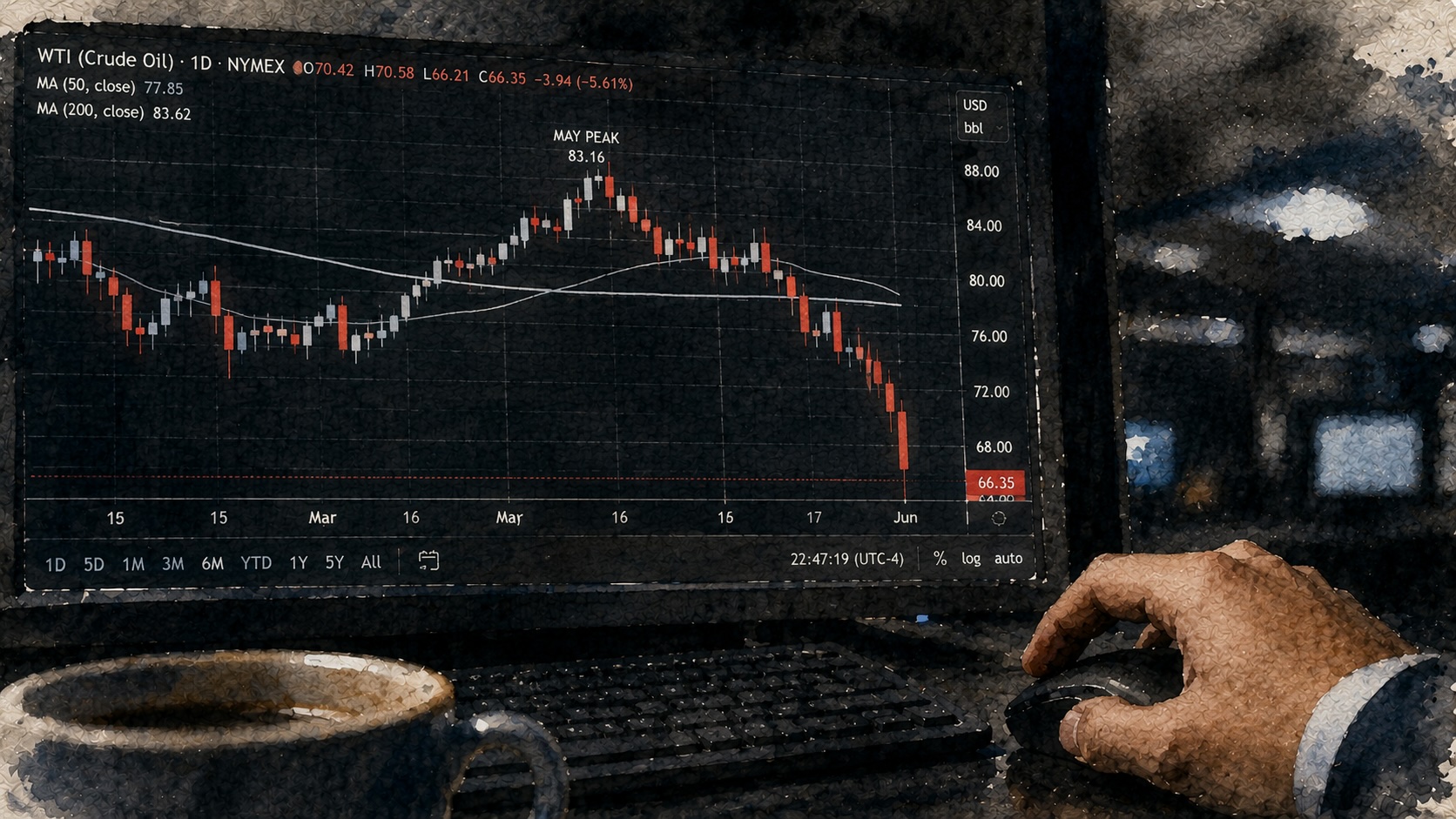
Iran tightens Hormuz transit, Oil and LNG prices jump
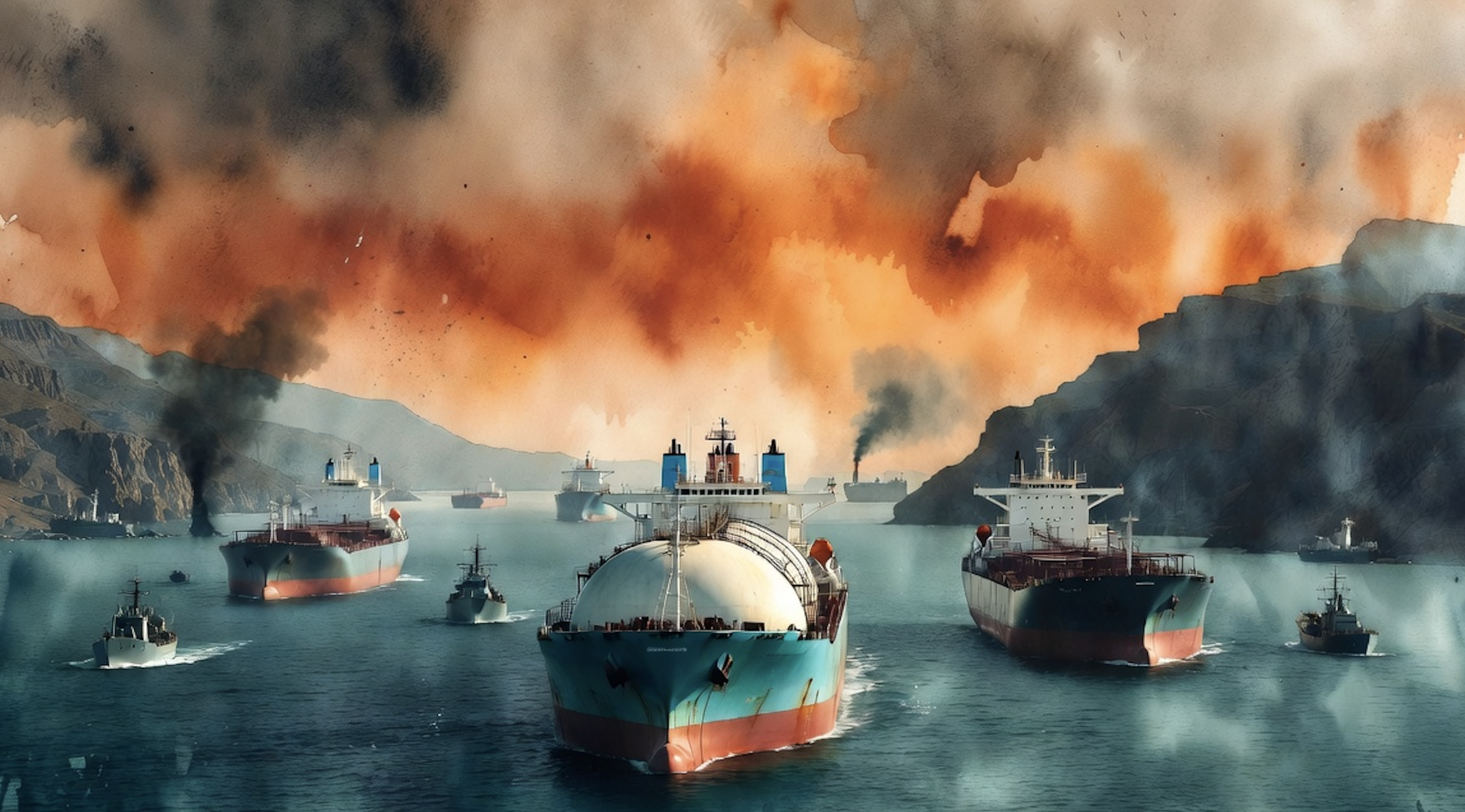
Iran is restricting Strait of Hormuz traffic during the U.S.-Israel war, allowing mainly ships from Turkey, India and Pakistan, pushing up oil and LNG prices despite strategic reserve releases.
Iran has tightened control over the Strait of Hormuz during the U.S.-Israel war with Iran, limiting passage largely to ships from Turkey, India and Pakistan. The action has sent crude and liquefied natural gas prices higher and increased market volatility, even after emergency stockpile releases.
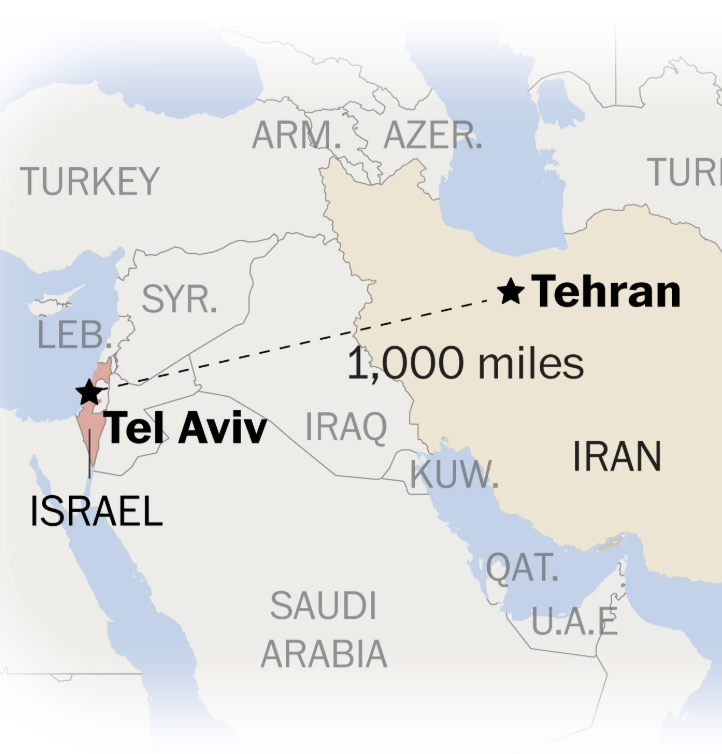
Roughly one-fifth of global crude and LNG typically moves through Hormuz, the narrow outlet for Persian Gulf exports. With many tankers halted or negotiating transit, cargoes are backing up and shipping schedules are slipping.
A U.S.-led coalition is releasing about 400 million barrels of oil over 120 days from strategic reserves. The additional barrels have not offset the loss of steady flows through the Strait.
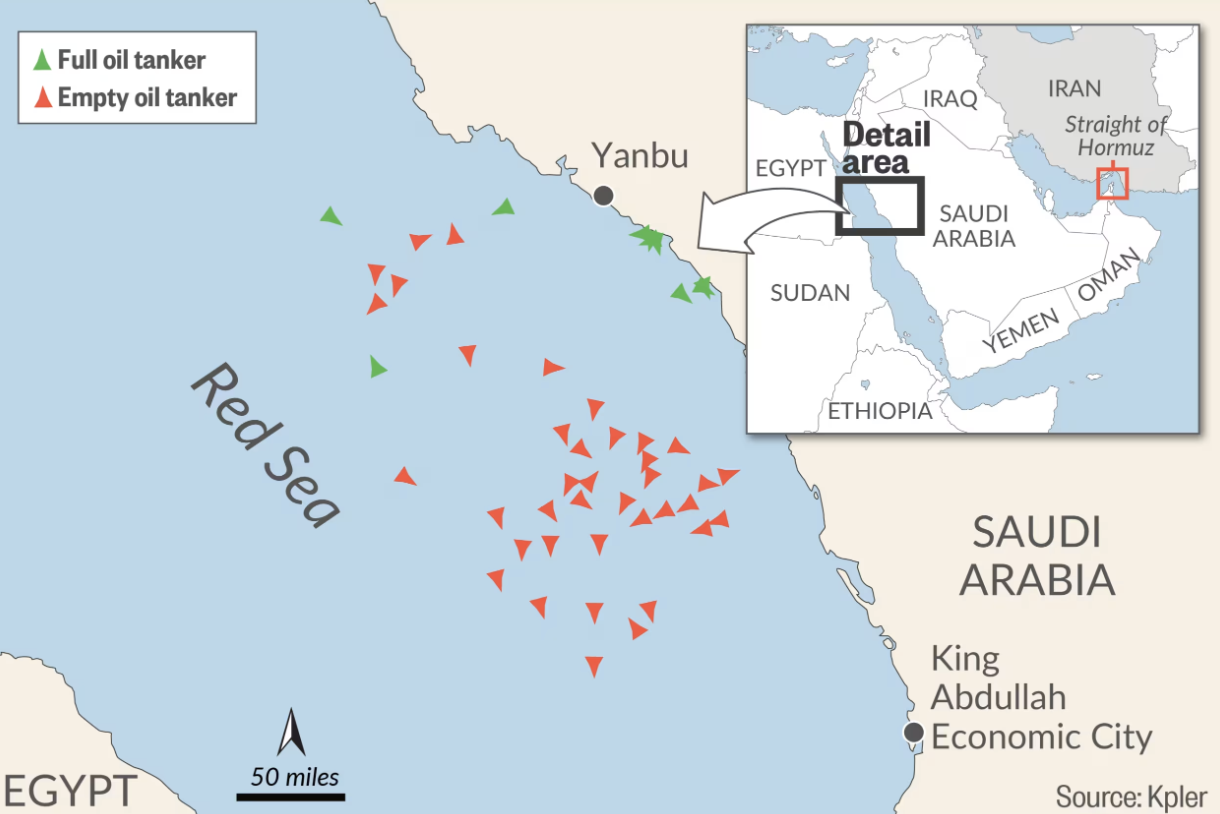
Exporters and buyers are working around the bottleneck. Some crude is moving across the Arabian Peninsula to Red Sea ports for loading. Other volumes are being routed to Fujairah in the United Arab Emirates for re-export. Some tankers have paid transit fees to Iranian authorities, and governments are negotiating to secure safe passage for their fleets.
Attacks on energy facilities are adding to supply risk. An Iranian drone strike on March 11 ignited a large fire at the Salalah oil storage site in Oman. Satellite imagery on March 13 showed smoke over the port on the Gulf of Oman.
Fuel shortages and high prices are filtering into daily life. Slovenia has begun fuel rationing. Sri Lanka shifted to a four-day work week and is rationing petrol. In the United States, motorists and airlines are facing higher fuel costs.
Economists expect the shock to suppress demand in stages. “If we have a kind of global recession, we’re going to see significant demand destruction just because the economy is slower. People won’t travel as much, and that works pretty quickly,” observed David Victor of UC San Diego’s School of Global Policy and Strategy. He also noted that high prices typically spur efficiency: “When you create a powerful price incentive, people figure out how to do more with less.”
Victor added that switching fuels and technologies can reduce use over time. Oil in transportation is harder to replace in the short run, often leading to less driving and flying. Natural gas used in power generation has more substitutes, including coal, wind, solar and nuclear, though shifting takes time and capital.
Policy discussions center on near-term relief before committing to major investments, according to Max Pyziur, research director at the Energy Policy Research Foundation. He expects many governments to reassess after the 120-day release ends and flagged risks from reduced fertilizer exports out of the Gulf that could lift food prices. Pyziur called the disruption “unprecedented.”
The United States is more insulated due to strong domestic output of oil, natural gas and fertilizer. In 2025, U.S. LNG exports averaged about 15 billion cubic feet per day. Authorities could curb exports in an emergency, while longer-term steps such as adding nuclear capacity would take years; recommissioning a plant typically requires two to three years, Pyziur noted.
Some analysts caution that brief price spikes rarely trigger permanent changes in consumption. “Recall that we lived through a world where $100 a barrel was the ‘new normal’ from 2010 to 2015, and global demand for petroleum increased from just under 89 million barrels per day to almost 96 million barrels per day,” observed Kenneth Medlock III, senior director at the Center for Energy Studies at Rice University’s Baker Institute. In his view, structural demand declines usually require sustained prices and major investment.
Elevated diesel costs are sharpening interest in alternatives for heavy transport. “At what price will hydrogen start to make sense for trucking? We are getting closer — the transition will probably start at around $7.00 a gallon diesel,” estimated Andrew Thomas, a scholar at Cleveland State University’s Energy Policy Center.
Talks with Iran to expand safe-conduct lists are ongoing, and workarounds through Red Sea ports and Fujairah remain in use as exporters seek to keep cargo moving.
The content on The Coinomist is for informational purposes only and should not be interpreted as financial advice. While we strive to provide accurate and up-to-date information, we do not guarantee the accuracy, completeness, or reliability of any content. Neither we accept liability for any errors or omissions in the information provided or for any financial losses incurred as a result of relying on this information. Actions based on this content are at your own risk. Always do your own research and consult a professional. See our Terms, Privacy Policy, and Disclaimers for more details.
Tags
Articles by this author