Base delays Beryl hard fork to ensure B20 registry online
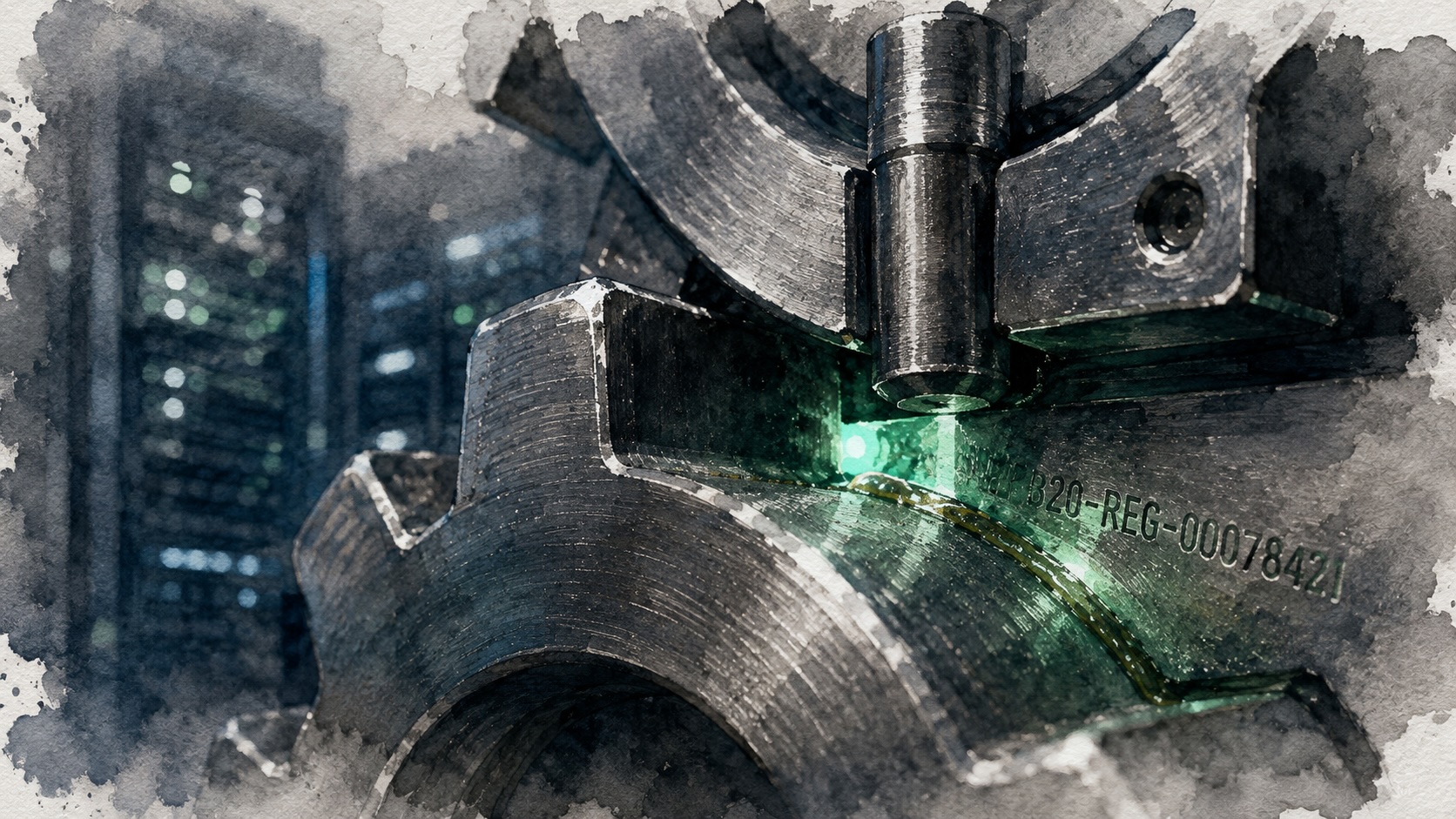
Base pushed the Beryl hard fork to June 26 at 18:00 UTC after a timing dependency could leave the B20 Activation Registry offline for up to an hour.
Base postponed the Beryl mainnet hard fork to June 26 at 18:00 UTC, one day later than planned, after developers identified a timing dependency that could leave the B20 Activation Registry offline for up to an hour after the fork activates.
The Activation Registry controls whether B20 feature flags are live. Base’s architecture requires the registry to be fully operational before B20 tokens can be issued. If the registry is not ready when the hard fork runs, token deployment under the B20 standard cannot begin until the registry finishes its startup routine, a process Base noted can take up to one hour.
Beryl was originally scheduled to go live on June 25. The upgrade also reduces the standard single-proof withdrawal delay from Base to Ethereum from seven days to five and integrates Reth V2, which Base says can cut node storage overhead by as much as 50%.
B20 is a protocol-level token standard intended for stablecoin issuers and real-world asset tokenization. Rather than existing as deployed smart contracts, B20 tokens run as Rust precompiles inside Base node software. The standard includes a compliance toolkit with role-based access controls, configurable transfer policies and freeze-and-seize capabilities for issuers with regulatory obligations.
On June 25 Base experienced an unrelated mainnet incident in which block production stopped for roughly two hours after a consensus failure allowed an invalid block into the sequencing pipeline. Base reported the outage was unrelated to the Beryl upgrade and that the incident has been investigated separately from the hard fork timing issue.
Beryl follows the Azul upgrade that activated in May. Base’s roadmap lists Cobalt as the next planned upgrade, targeted for September, and is expected to add native account abstraction and additional B20 features.
Base set the new activation time to allow margin for the registry’s startup behavior and to coordinate deployment with ecosystem participants.
The content on The Coinomist is for informational purposes only and should not be interpreted as financial advice. While we strive to provide accurate and up-to-date information, we do not guarantee the accuracy, completeness, or reliability of any content. Neither we accept liability for any errors or omissions in the information provided or for any financial losses incurred as a result of relying on this information. Actions based on this content are at your own risk. Always do your own research and consult a professional. See our Terms, Privacy Policy, and Disclaimers for more details.
Articles by this author