Goldman CEO surprised by muted market reaction to Iran conflict

Speaking at the Australian Financial Review Business Summit in Sydney on Wednesday, Goldman Sachs CEO David Solomon said he was surprised by how little financial markets have reacted to the escalating conflict in the Middle East – and flagged that a harder reckoning may still be ahead.
The calm that surprised Wall Street
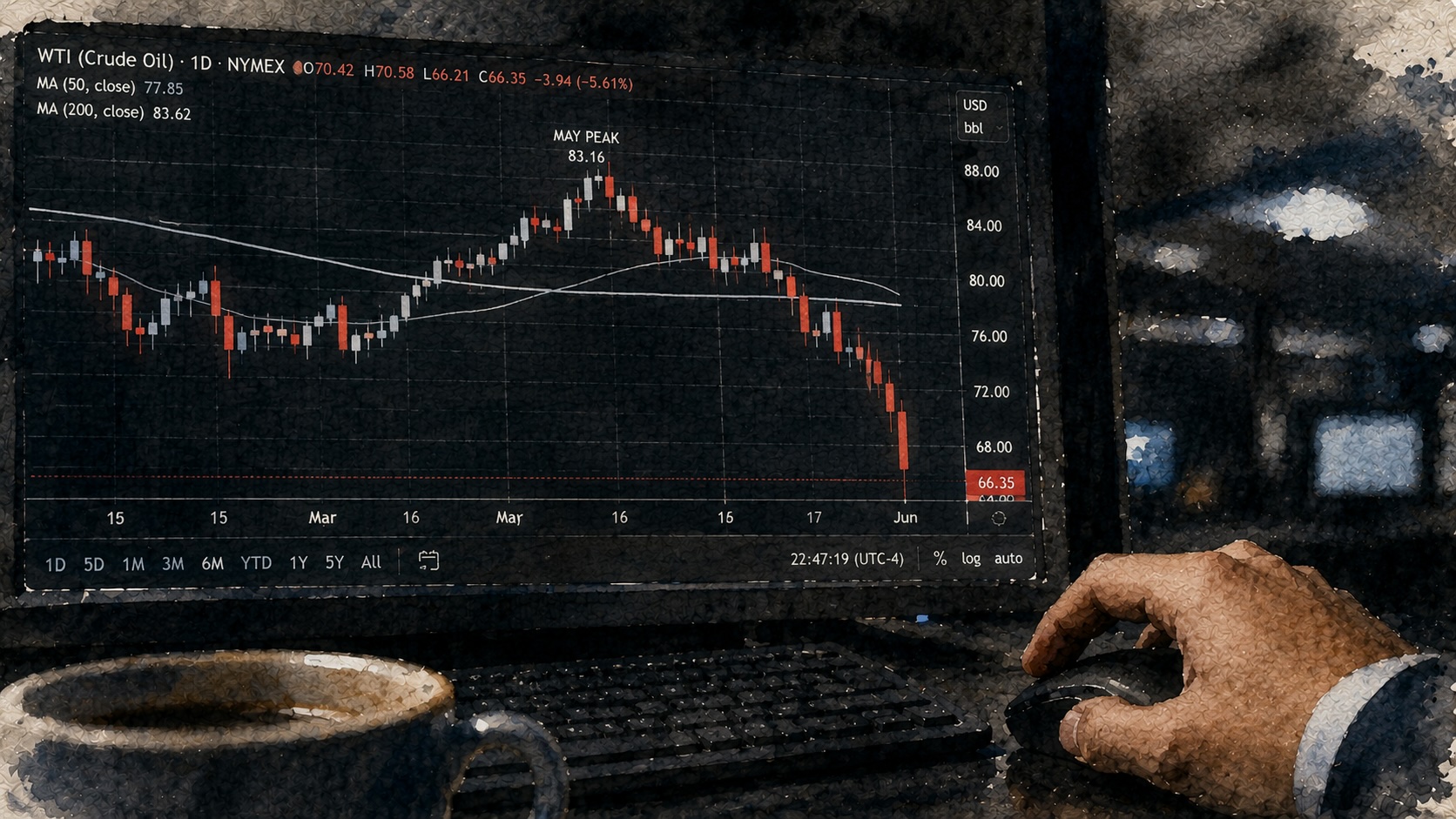
U.S. equities have held near recent highs, the VIX remains subdued, and Treasury yields have moved only modestly despite the escalation. Oil has been more volatile, but broader financial conditions have yet to tighten materially.
Solomon's read is that markets are reacting as they often do to geopolitical shocks – with limited moves unless growth expectations deteriorate. What caught his attention was the gap between the scale of the events and how little has moved.
“There's a cumulative effect of everything that's happening and a much harsher reaction. Up to this point, we haven't seen that cumulative effect,” he said.
He put the timeline at a couple of weeks for investors to more fully price in the implications – near-term and medium-term – adding that speculation is difficult given how much remains unknown. Investors, he noted, are still weighing whether the conflict extends and begins to weigh on consumption.
The U.S. macro picture, set aside from the war
Solomon was notably more upbeat when shifting focus to the domestic economy. An easing monetary cycle combined with significant regulatory relaxation has, in his view, kept the U.S. growth trajectory compelling. He flagged a reasonable probability that the economy runs “a little bit hot” this year, with inflation potentially coming in slightly above consensus – framed as a byproduct of strength rather than a risk signal.
On private credit, U.S. portfolios have been “generally pretty good,” though he warned that a prolonged credit cycle tends to erode lending standards as competition to deploy capital increases.
AI and Goldman's own workforce
Solomon also addressed the bank's internal AI push. Goldman signed a deal with Anthropic in February to develop AI agents for processes including client onboarding. Asked about job impacts, Solomon said near-term disruption to white-collar roles would be “complicated,” declining to predict specific headcount changes. “The headcount won't necessarily be that different. It'll just be more productive,” he said, adding that he does not expect AI to create a long-term labour gap.
The content on The Coinomist is for informational purposes only and should not be interpreted as financial advice. While we strive to provide accurate and up-to-date information, we do not guarantee the accuracy, completeness, or reliability of any content. Neither we accept liability for any errors or omissions in the information provided or for any financial losses incurred as a result of relying on this information. Actions based on this content are at your own risk. Always do your own research and consult a professional. See our Terms, Privacy Policy, and Disclaimers for more details.
Articles by this author