Fed poised to hold rates as oil tops $100 and hiring slows
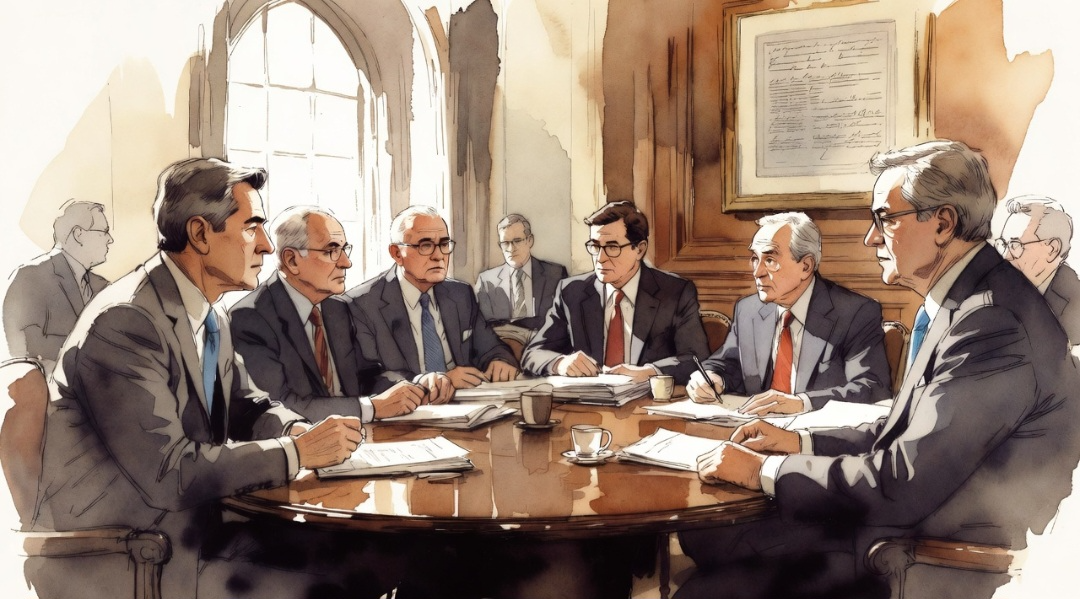
Fed meets Wednesday after the Iran war roils markets and lifts oil above $100; Trump urges an emergency rate cut and criticizes Chair Jerome Powell.
The Federal Reserve is expected to leave interest rates unchanged Wednesday in Washington, its first policy meeting since the war in Iran began. Officials are weighing oil above $100 a barrel against signs of softer hiring and slower growth, while President Donald Trump presses for immediate cuts.
Before the conflict, policymakers were divided over how to balance persistent inflation with a cooling labor market. The war has sharpened that trade-off by disrupting energy supplies and shipping. Analysts at Goldman Sachs wrote that the conflict raises the chance rate cuts will be needed later if the job market weakens, while a higher inflation path could delay any easing.
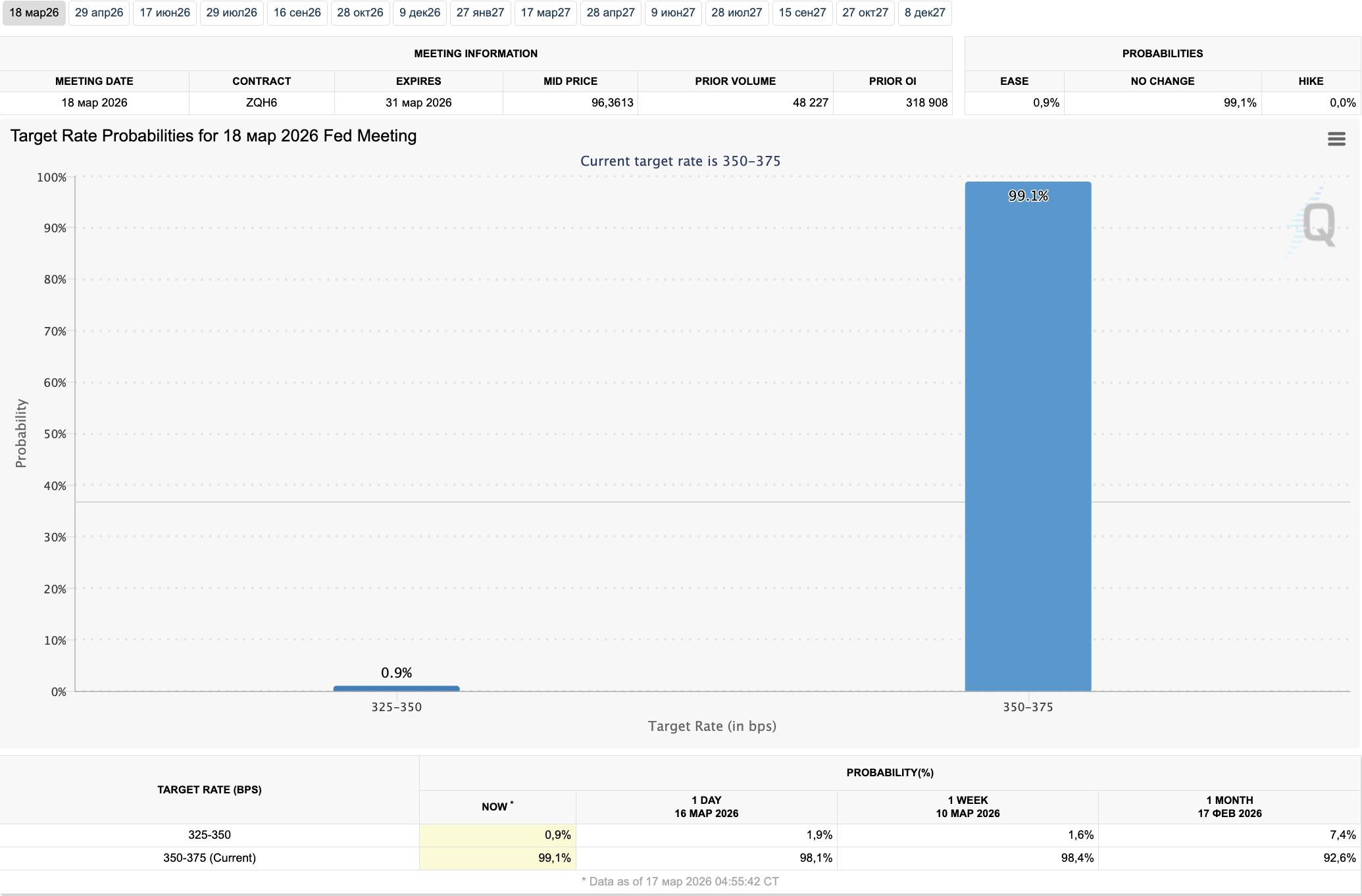
Market pricing points to a hold and a patient tone while the Fed assesses how long the oil spike and any growth hit may last. Investors will watch the rate statement and Chair Jerome Powell’s press conference for the committee’s view on the oil shock’s persistence, its pass-through to core inflation, and the impact of tighter financial conditions on activity.
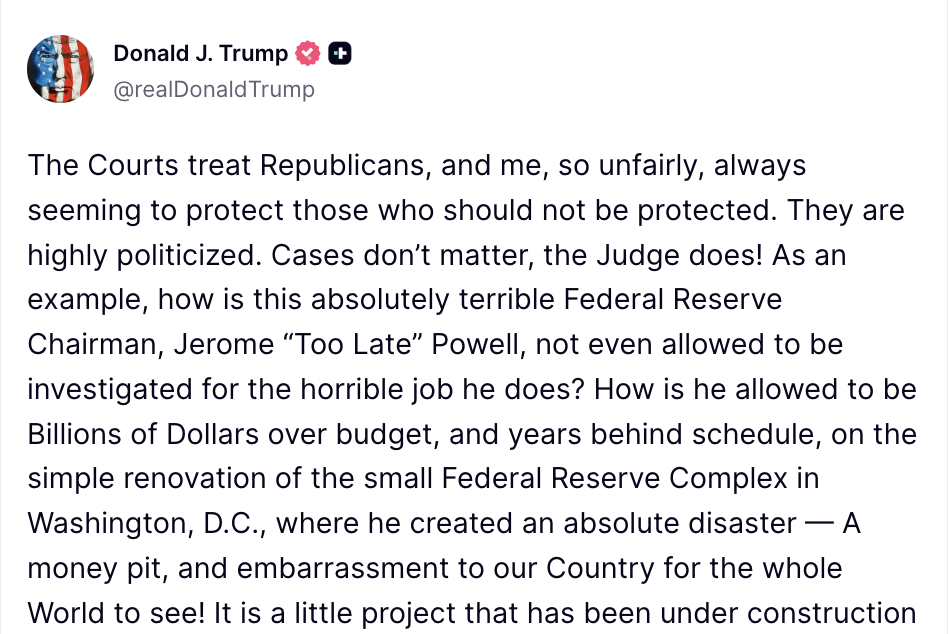
Trump increased pressure on the central bank ahead of the decision. On Monday he urged a “special meeting” to cut rates “right now,” and criticized a judge for blocking his administration’s effort to subpoena the Fed. On social media he wrote: “How is this absolutely terrible Federal Reserve Chairman, Jerome ‘Too Late’ Powell, not even allowed to be investigated?”
Energy markets remain strained. Crude has climbed back above $100, lifting gasoline prices and filtering into transport and manufacturing costs. The U.S. energy secretary indicated there are “no guarantees” crude prices will fall in the coming weeks. Stocks have swung lower on war headlines; the S&P 500 fell 1.5% on Thursday, and volatility has increased in Europe and Asia.
Recent U.S. data reflect the bind. Government figures showed slower growth late last year and firm price pressures early this year. Last month’s payrolls report included unexpected job losses in some industries. Consumer spending rose in January, but higher fuel costs risk curbing demand this spring.
Fed officials must judge whether to focus on returning inflation to target or to act early to support employment if hiring cools further. Futures markets still imply some easing later this year, though the path has grown less certain since the conflict began.
Central banks abroad face similar choices. The European Central Bank, Bank of Japan, and Bank of England are expected to proceed cautiously this week as they evaluate whether the recent price surge proves temporary. Policy responses could diverge if energy costs stay high, depending on domestic inflation and labor trends.
Political friction around the Fed’s leadership has intensified. The nomination of Kevin Warsh to the Board has not yet reached a Senate Banking Committee hearing, with people familiar with the process citing pending White House paperwork, including financial disclosures. Separately, Sen. Thom Tillis has threatened to block the nomination, adding uncertainty over near-term Fed governance.
The war’s economic footprint has widened. Tanker traffic through the Strait of Hormuz has slowed sharply, insurance premiums have risen, and Iran-linked drone and missile activity has expanded in the Gulf. The United States has deployed additional forces and asked partners to help secure key shipping lanes. Energy-sensitive sectors such as airlines, chemicals, and logistics report rising input costs, and extended disruption would deepen the hit to global growth.
For the Fed, the key near-term questions are whether the jump in oil endures and whether it spreads into services prices and wages. Officials typically look through short-lived energy spikes. A lasting rise can feed into inflation expectations, while a sharper hiring slowdown could argue for earlier support. Most forecasts point to no change in rates Wednesday and a data-dependent message on the outlook.
The content on The Coinomist is for informational purposes only and should not be interpreted as financial advice. While we strive to provide accurate and up-to-date information, we do not guarantee the accuracy, completeness, or reliability of any content. Neither we accept liability for any errors or omissions in the information provided or for any financial losses incurred as a result of relying on this information. Actions based on this content are at your own risk. Always do your own research and consult a professional. See our Terms, Privacy Policy, and Disclaimers for more details.
Articles by this author