Economists lift 2026 U.S. inflation view; Fed cuts seen in Sept
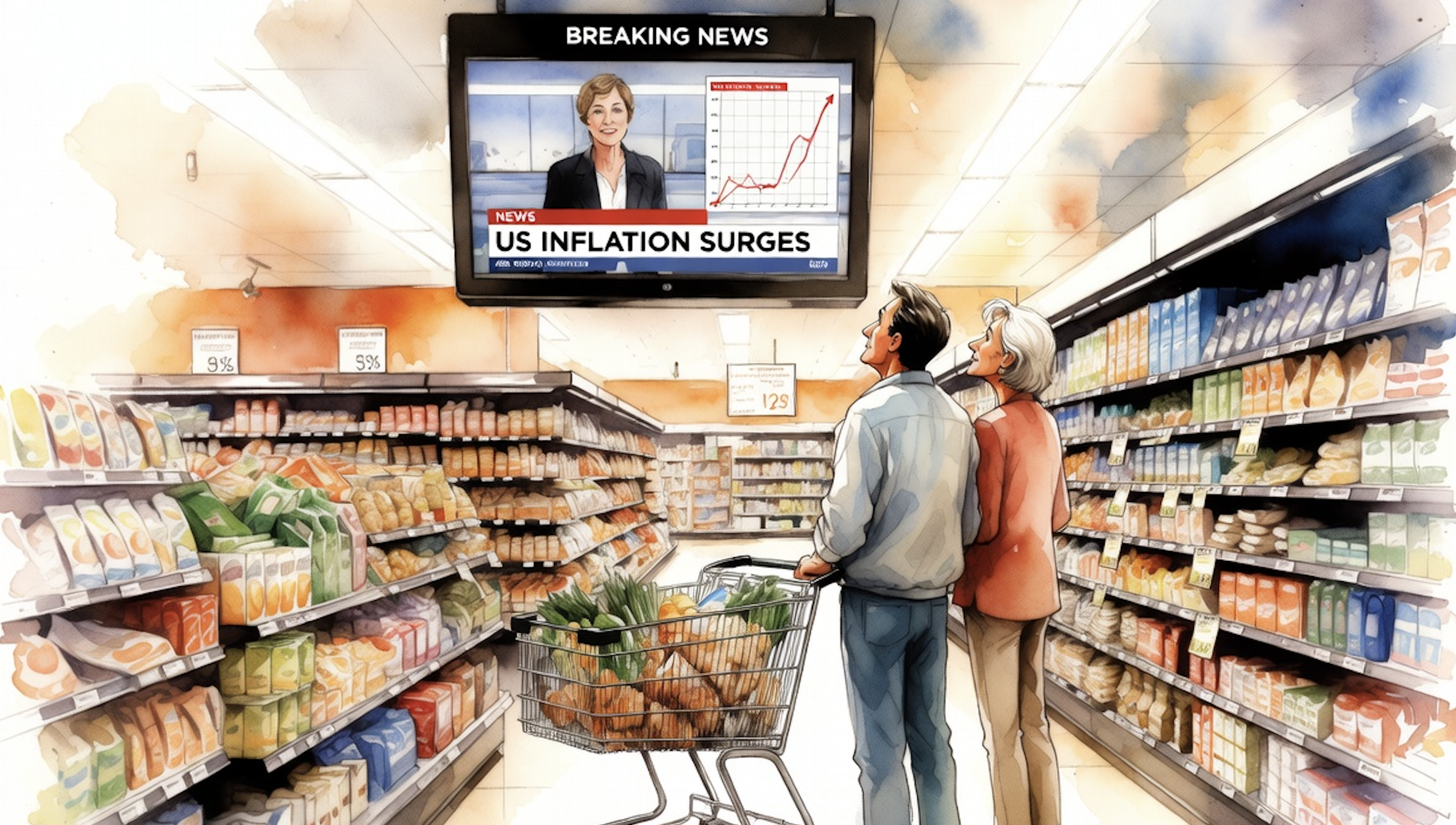
A survey of 79 economists now pegs 2026 PCE inflation at 3.1%, trims GDP growth to 2.3% and expects the first Fed rate cut in September as the Iran conflict lifts oil prices.
Economists have raised their 2026 U.S. inflation outlook and now expect the first Federal Reserve rate cut in September, citing higher oil prices linked to the conflict in Iran. The findings come from a March 20–25 survey of 79 economists.
Respondents see the personal consumption expenditures price index averaging 3.1% in 2026, up from a prior estimate of 2.6%. The core gauge that excludes food and energy is also projected to run hotter than earlier forecasts.
Related: Causes of inflation: what drives prices higher
Growth expectations edged lower. The group cut its forecast for real gross domestic product to 2.3% for 2026 from 2.5% previously, pointing to softer consumer spending in the first half and slower hiring.
Higher energy costs are reaching households. Economists reported increases in gasoline prices and airfares and highlighted risks that fertilizer supply disruptions could lift grocery bills. Rising transportation costs are expected to feed into consumer goods prices.
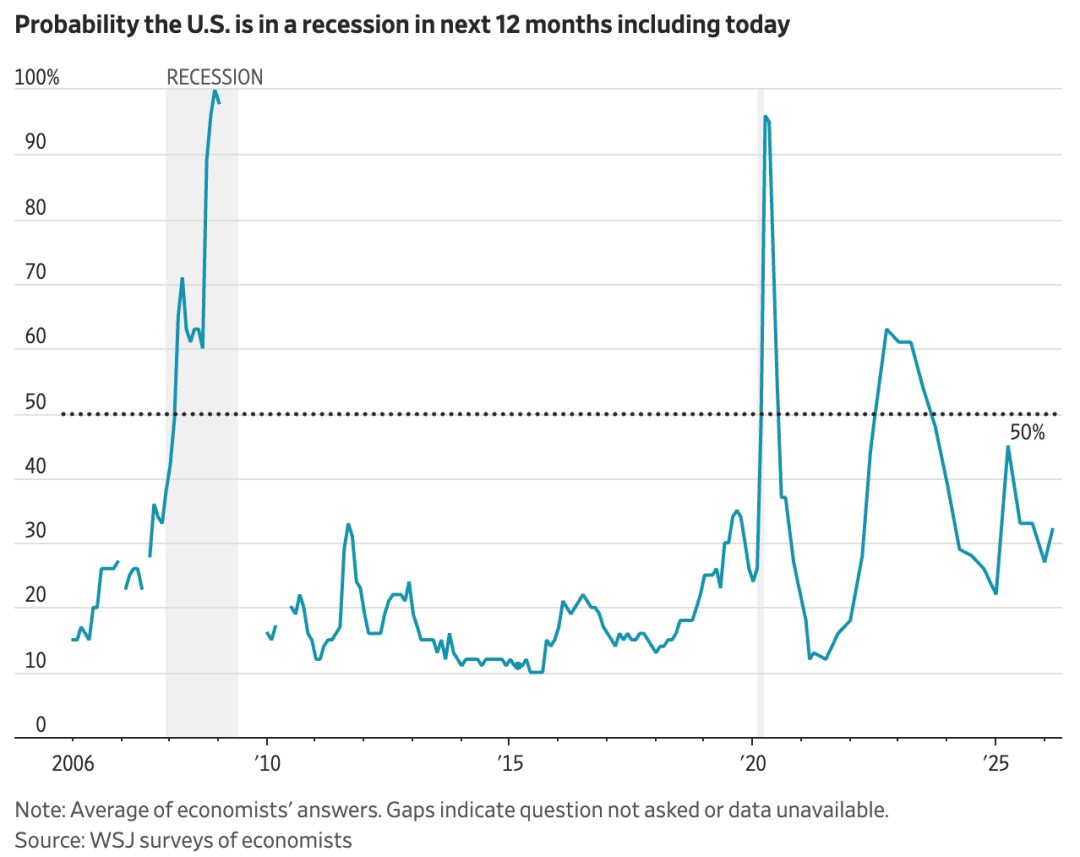
Recession odds moved up. The probability of a U.S. downturn in the next 12 months rose to 30% from 25%. The outlook for average monthly job gains was reduced to 43,000 from 70,000, with the unemployment rate seen averaging 4.5% in 2026.
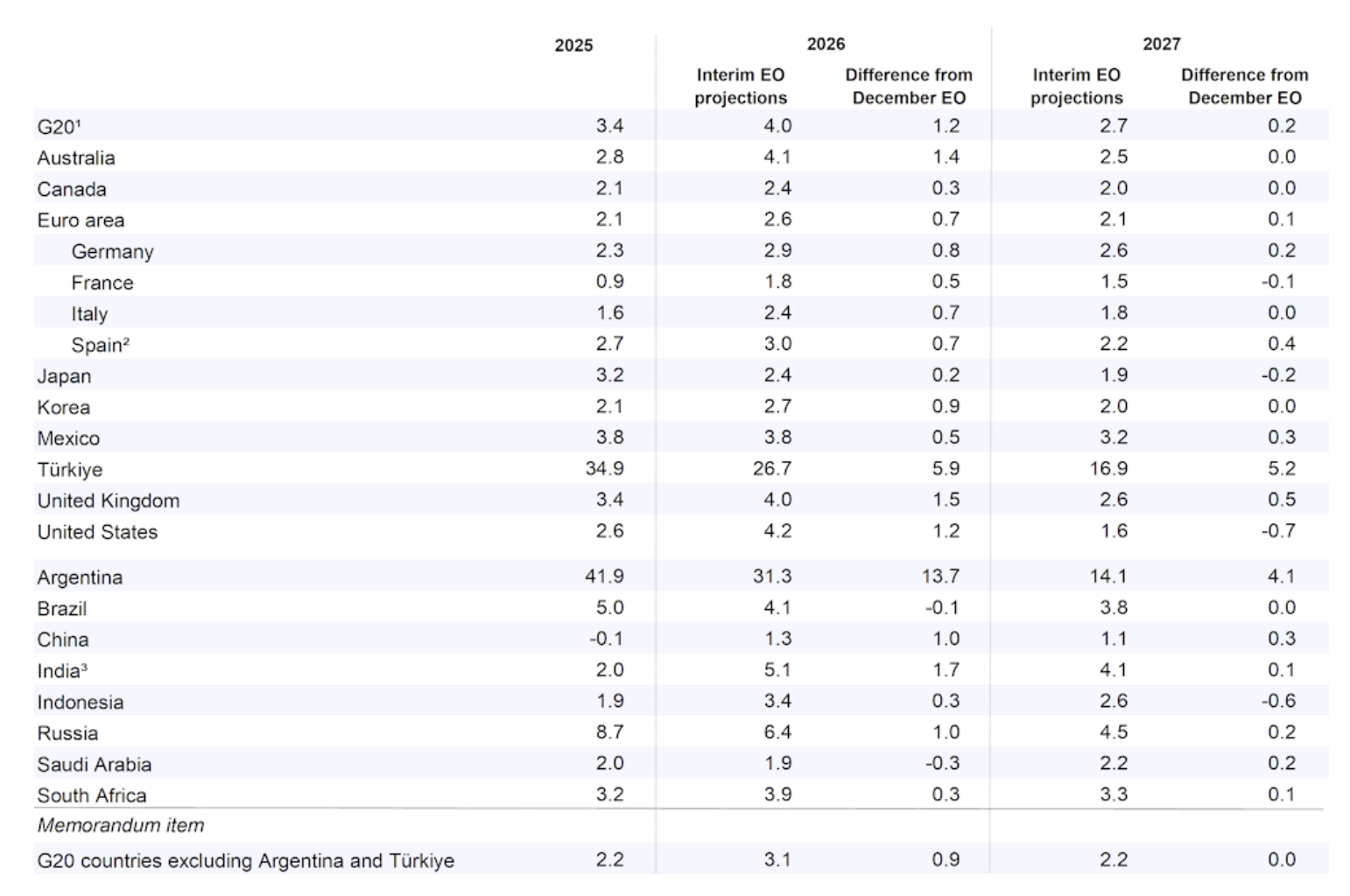
Global projections also point to firmer inflation. The Organization for Economic Cooperation and Development now expects the Group of 20’s average inflation rate to reach 4% in 2026, compared with a 2.8% projection made in December. “Due to the evolving conflict in the Middle East, the outlook for the global economy is highly uncertain, with significant downside risks,” noted OECD Secretary-General Mathias Cormann. “Under our updated baseline scenario we now project global GDP growth at 2.9% in 2026 and 3.0% in 2027.”
Energy supply remains uncertain. Analysts caution that even a quick agreement between Washington and Tehran would not immediately restore normal oil flows through the Strait of Hormuz. Damage to infrastructure and efforts by countries to rebuild stockpiles could keep prices elevated for longer. Diane Swonk, chief economist at KPMG: “The tail effects of the closure of the Strait of Hormuz are still long. Production idled takes longer to ramp up than shut down.”
The content on The Coinomist is for informational purposes only and should not be interpreted as financial advice. While we strive to provide accurate and up-to-date information, we do not guarantee the accuracy, completeness, or reliability of any content. Neither we accept liability for any errors or omissions in the information provided or for any financial losses incurred as a result of relying on this information. Actions based on this content are at your own risk. Always do your own research and consult a professional. See our Terms, Privacy Policy, and Disclaimers for more details.
Articles by this author