Hormuz closure exposes a $32 gap in Brent pricing

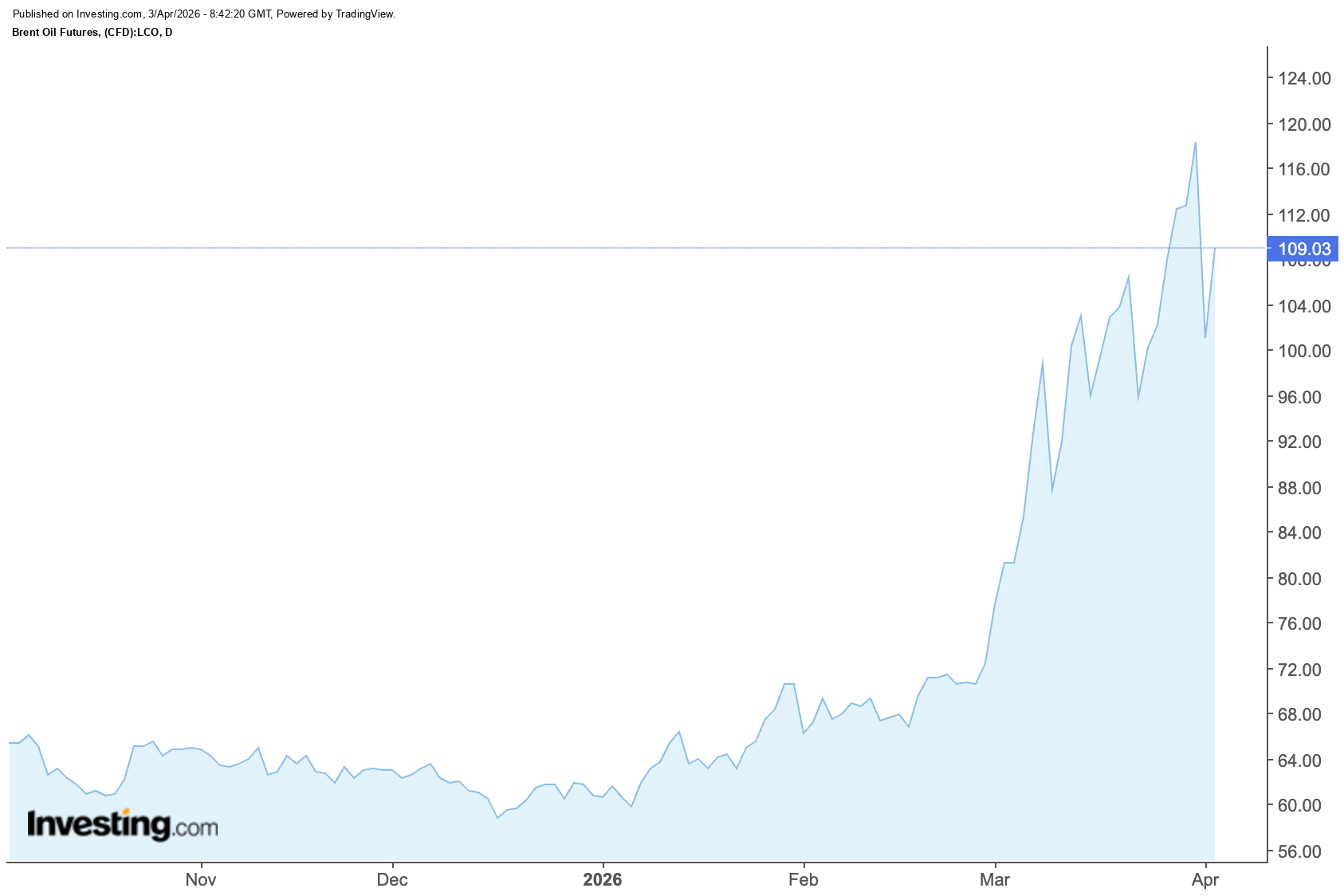
Dated Brent hit $141.37, the highest since 2008, as the Strait of Hormuz stayed closed for over a month; Gulf output fell 10 mb/d and tanker traffic dropped 95%, with Brent futures near $109.
Dated Brent climbed to $141.37 a barrel, the highest since 2008, as the month-long closure of the Strait of Hormuz tightened near-term supply. The physical marker traded more than $32 above Brent crude futures, which hovered near $109.
Dated Brent reflects prices for actual cargoes loading soon, largely from the North Sea and linked grades. Brent futures are financial contracts for later delivery. The gap has widened as buyers compete for prompt barrels while later-dated prices lag.
The chokepoint at the Strait of Hormuz normally carries about one-fifth of global crude flows. With tanker traffic through the waterway down about 95% for more than a month, Gulf producers reduced output by at least 10 million barrels per day, limiting volumes available for immediate shipment.
The premium for barrels that can load and sail now has grown sharply. With Hormuz effectively shut and alternative routes constrained, refiners and traders bid up prompt supplies, lifting Dated Brent to an 18-year high and widening its spread over futures to more than $32.
Industry executives highlighted a gap between screen prices and physical trade. Chevron CEO Mike Wirth described the market as running on “scant information” and “perception,” adding, “There are very real, physical manifestations of the closure of the Strait of Hormuz that are working their way around the world and through the system that I don't think are fully priced into the futures curves on oil.”
Amrita Sen, founder of Energy Aspects, viewed the stress as most apparent in spot trading. “You are seeing it, but the financial market is almost masking the true tightness that everywhere else is showing up,” she noted.
Political signals remained mixed. In an April 2 prime-time address, President Donald Trump characterized Iran as “essentially decimated” and predicted the waterway would reopen “naturally” once the conflict ends. He also urged other nations to “grab it and cherish it.” Timelines for a return to regular traffic were not provided.
While prices for physical crude reached highs last seen in 2008, Brent futures stayed below peaks recorded in 2022. Tightness is concentrated in near-term barrels, where longer voyages, higher freight costs, and fewer loading options have raised costs.
The content on The Coinomist is for informational purposes only and should not be interpreted as financial advice. While we strive to provide accurate and up-to-date information, we do not guarantee the accuracy, completeness, or reliability of any content. Neither we accept liability for any errors or omissions in the information provided or for any financial losses incurred as a result of relying on this information. Actions based on this content are at your own risk. Always do your own research and consult a professional. See our Terms, Privacy Policy, and Disclaimers for more details.
Tags
Articles by this author