U.S. gas tops $4 as Hormuz closure roils oil markets
U.S. average gas price topped $4 a gallon Tuesday for the first time since 2022 after Iran shut the Strait of Hormuz; IEA members plan a 400 million-barrel reserve release as crude trades near $104.
U.S. average gasoline prices climbed above $4 a gallon on Tuesday for the first time since 2022, AAA data show, after Iran shut the Strait of Hormuz during the U.S.-Israeli war on Iran, disrupting a corridor that handles about one-fifth of global oil shipments.
Prices at the pump have risen more than 30% since the conflict began on Feb. 28. Global crude traded near $105 a barrel on Tuesday, nearly 50% higher than before the war.
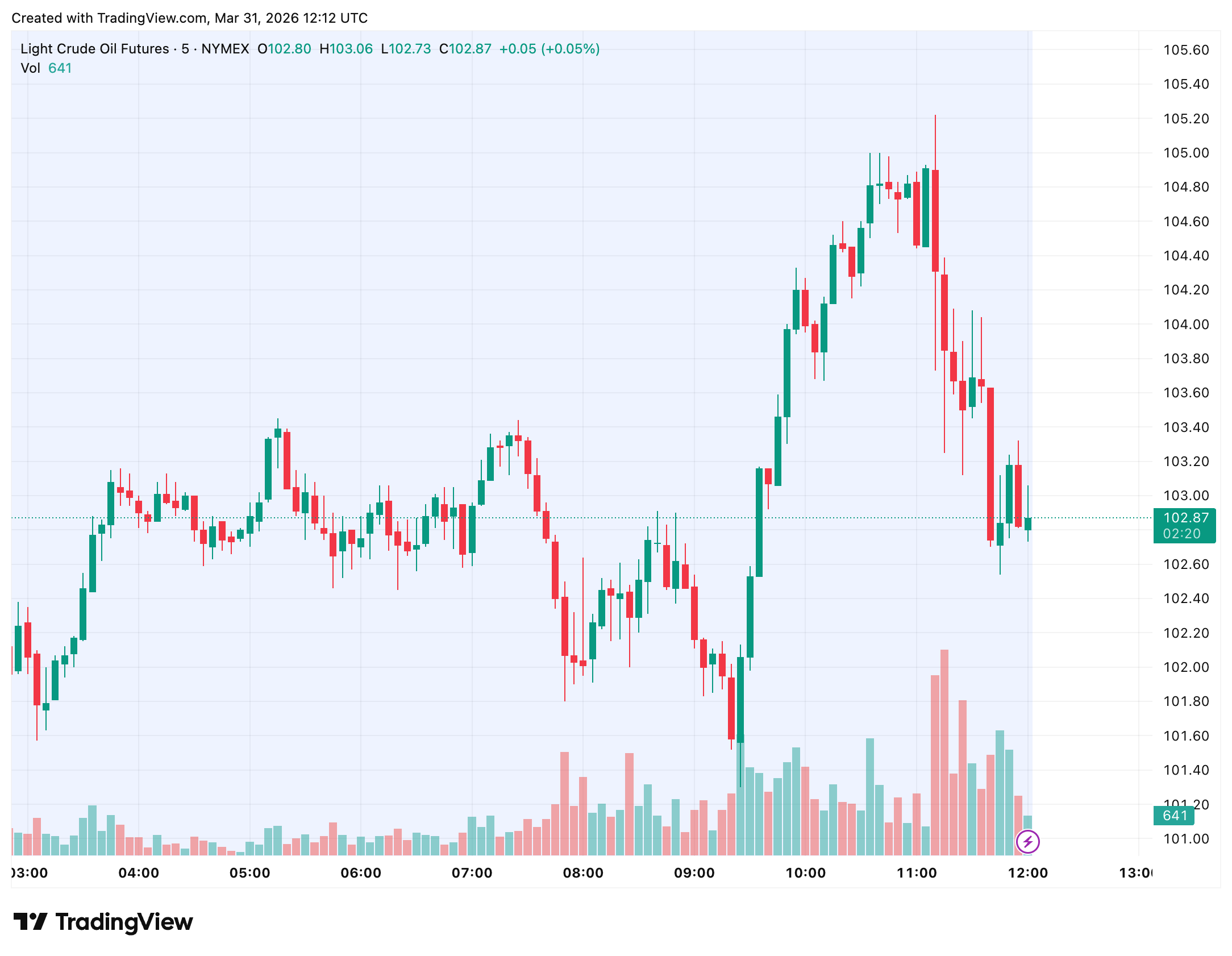
Oil is priced globally, so U.S. fuel costs track world benchmarks even though the country is a net petroleum exporter. Crude is the largest component of gasoline prices, making up more than half of what drivers pay, according to the U.S. Energy Information Administration.
To ease the strain, members of the International Energy Agency plan to release 400 million barrels from emergency reserves, the largest coordinated draw in the 32-country group’s history. The United States is preparing the second-largest drawdown from the nation’s emergency reserve, which will account for nearly half of the planned release.
Alongside the reserve release, the administration has eased sanctions on Russian oil and suspended a key regulation governing domestic oil transport, while working to restore tanker traffic through the Strait of Hormuz.
In remarks in Canberra, Australia, IEA Executive Director Fatih Birol characterized the shock as exceeding the combined impact of the energy crises of the 1970s. He called it a “major, major threat” to the global economy and warned that no country would be “immune to the effects of this crisis if it continues to go in this direction.”
Tuesday’s average is the highest U.S. pump price since August 2022, when gasoline last topped $4 a gallon after Russia’s invasion of Ukraine.
The content on The Coinomist is for informational purposes only and should not be interpreted as financial advice. While we strive to provide accurate and up-to-date information, we do not guarantee the accuracy, completeness, or reliability of any content. Neither we accept liability for any errors or omissions in the information provided or for any financial losses incurred as a result of relying on this information. Actions based on this content are at your own risk. Always do your own research and consult a professional. See our Terms, Privacy Policy, and Disclaimers for more details.
Tags
Articles by this author