Shadow fleet handles half of Hormuz tanker traffic in second week

Shadow tankers handled about half of Hormuz oil and gas transits Mar. 1-8 in week two of the Iran war, while total tonnage fell about 90% from prewar levels, according to industry data.
Industry data point to a sharp reshaping of traffic through the Strait of Hormuz. Between March 1 and 8, about half of all tankers and gas carriers that crossed the waterway were tied to the shadow fleet. Total volumes moved through the strait during that span dropped by roughly 90% compared with prewar levels.
The shift reflects mainstream shipowners stepping back from wartime exposure, higher insurance premiums and uncertainty around routing. Operators accustomed to sanctions trade have continued to lift cargoes, often using older vessels, complex ownership and ship-to-ship transfers.
The Strait of Hormuz links the Persian Gulf to global markets and is a key corridor for oil and gas exports. With large operators reducing transits during the conflict’s second week, many vessels remain at anchor on both approaches while companies assess safety and insurance cover.
On Monday, President Donald Trump described U.S. military operations as nearing completion and pledged the waterway “is going to remain safe.” He asserted that Iran’s naval fleet had been sunk and that its missile capacity had been cut to “about 10% maybe less,” adding that drone manufacturing sites were being targeted. He also indicated the United States is offering political risk insurance to support tanker activity in the Gulf.
In a separate interview, the president urged commercial operators to resume normal passages. “These ships should go through the Strait of Hormuz and show some guts. There’s nothing to be afraid of… they have no Navy, we sunk all their ships,” he stated. The administration has floated naval escorts for merchant ships, though signals have varied. Industry groups report being told by the U.S. Navy that escorts would not be provided, followed by public posts from the president indicating escorts would be available.
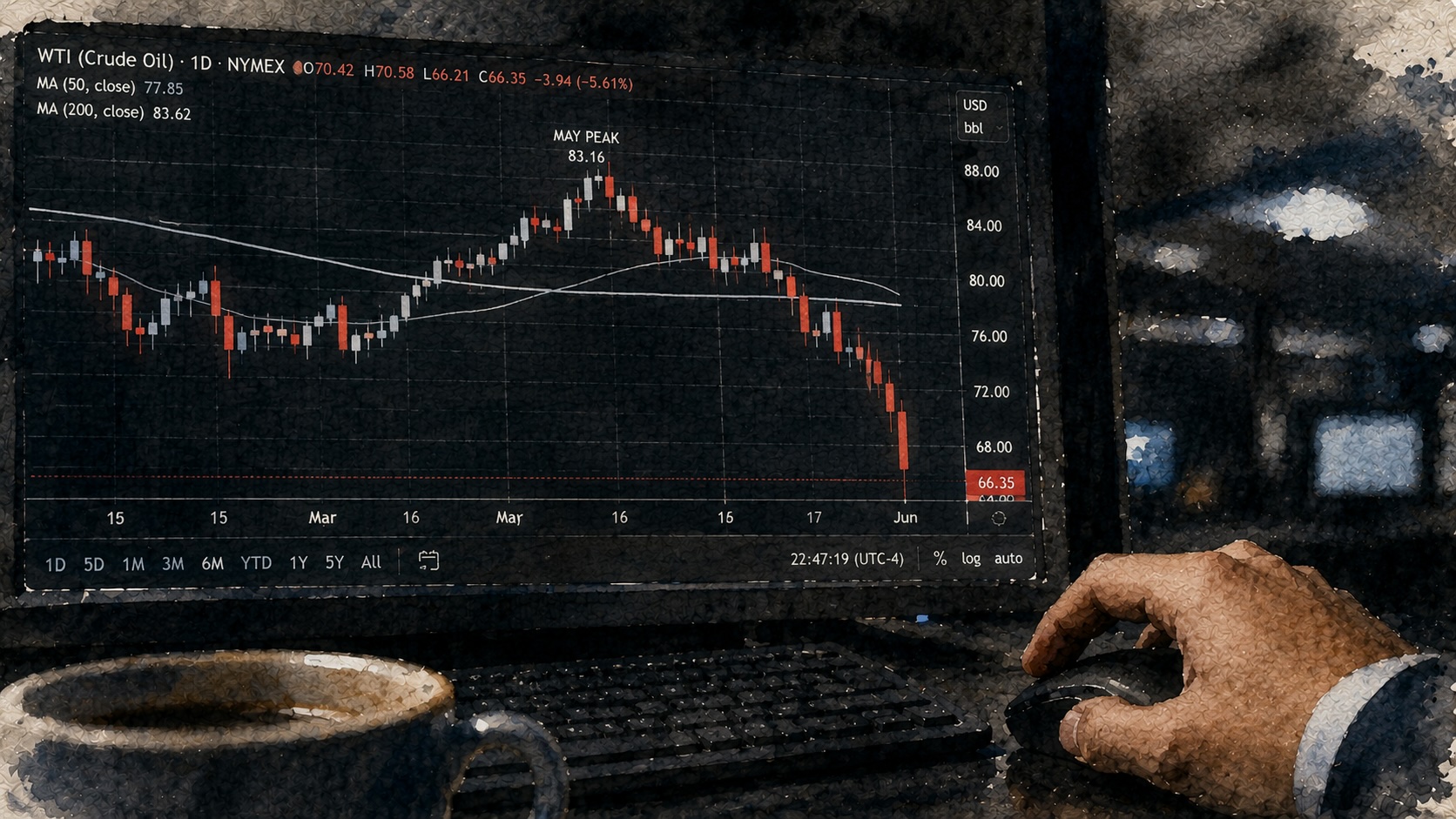
Markets reflected the uncertainty. West Texas Intermediate crude swung in a wide intraday range on Monday, touching as high as $119 per barrel and as low as $83. U.S. equities, including the S&P 500, advanced during the session.
Analysts link the jump in shadow fleet share to the retreat of conventional owners from war risk and rising premiums. The pullback has created openings for operators used to sanctions-linked routes to take more voyages in and out of the Gulf.
The heavier reliance on the shadow fleet has raised concerns within shipping circles about safety and transparency. Many of these ships are older and use complex flagging and ownership structures. While they keep some oil and gas moving, their larger footprint highlights how routing decisions are shifting during the conflict.
For now, the sector is waiting on clearer guidance about security and coverage. With volumes well below prewar levels and numerous ships still at anchor near the strait, the timing for a broader return by mainstream carriers remains uncertain.
The content on The Coinomist is for informational purposes only and should not be interpreted as financial advice. While we strive to provide accurate and up-to-date information, we do not guarantee the accuracy, completeness, or reliability of any content. Neither we accept liability for any errors or omissions in the information provided or for any financial losses incurred as a result of relying on this information. Actions based on this content are at your own risk. Always do your own research and consult a professional. See our Terms, Privacy Policy, and Disclaimers for more details.
Tags
Articles by this author