Toys R Us Canada shuts more stores as court-led sale looms
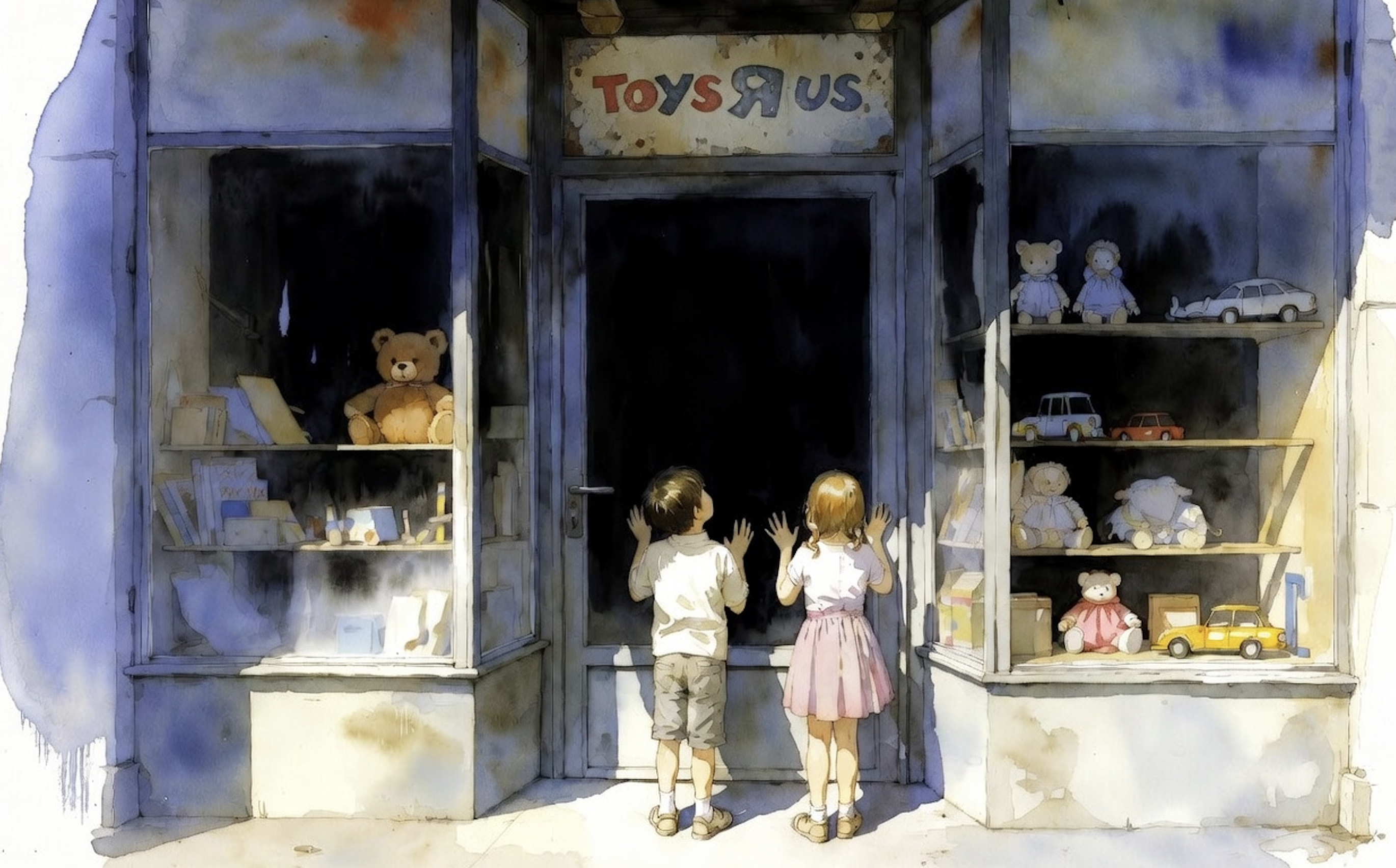
Toys R Us Canada is moving deeper into restructuring, with more store closures underway as the retailer prepares to seek court approval to market the remaining business for sale.
Toys R Us Canada is moving from creditor protection into the next phase of its restructuring, closing additional locations while preparing to ask the court for permission to launch a formal sale process. That marks a shift from emergency stabilization toward a possible breakup or buyer-led rescue of what remains of the chain.
The retailer entered proceedings under the Companies’ Creditors Arrangement Act on Feb. 3, 2026. At the time, it said it would suspend key parts of the business, including e-commerce checkout and gift card usage, while seeking protection from creditors and restructuring under court supervision.
The Ontario Superior Court granted a stay of proceedings, appointed Alvarez & Marsal Canada Inc. as monitor, and approved interim financing. Court materials indicate the company is now operating with a much smaller footprint, with 22 stores remaining across Canada.
Recent filings show the contraction is still continuing. Landlords at St. Laurent Centre in Ottawa and Woodgate Plaza in St. John’s have been notified that those stores will close and be handed back, while two other locations — Niagara Pen Centre in Ontario and Vaudreuil-Dorion, Quebec — have already shut. A judge also authorized liquidation sales at some remaining stores.
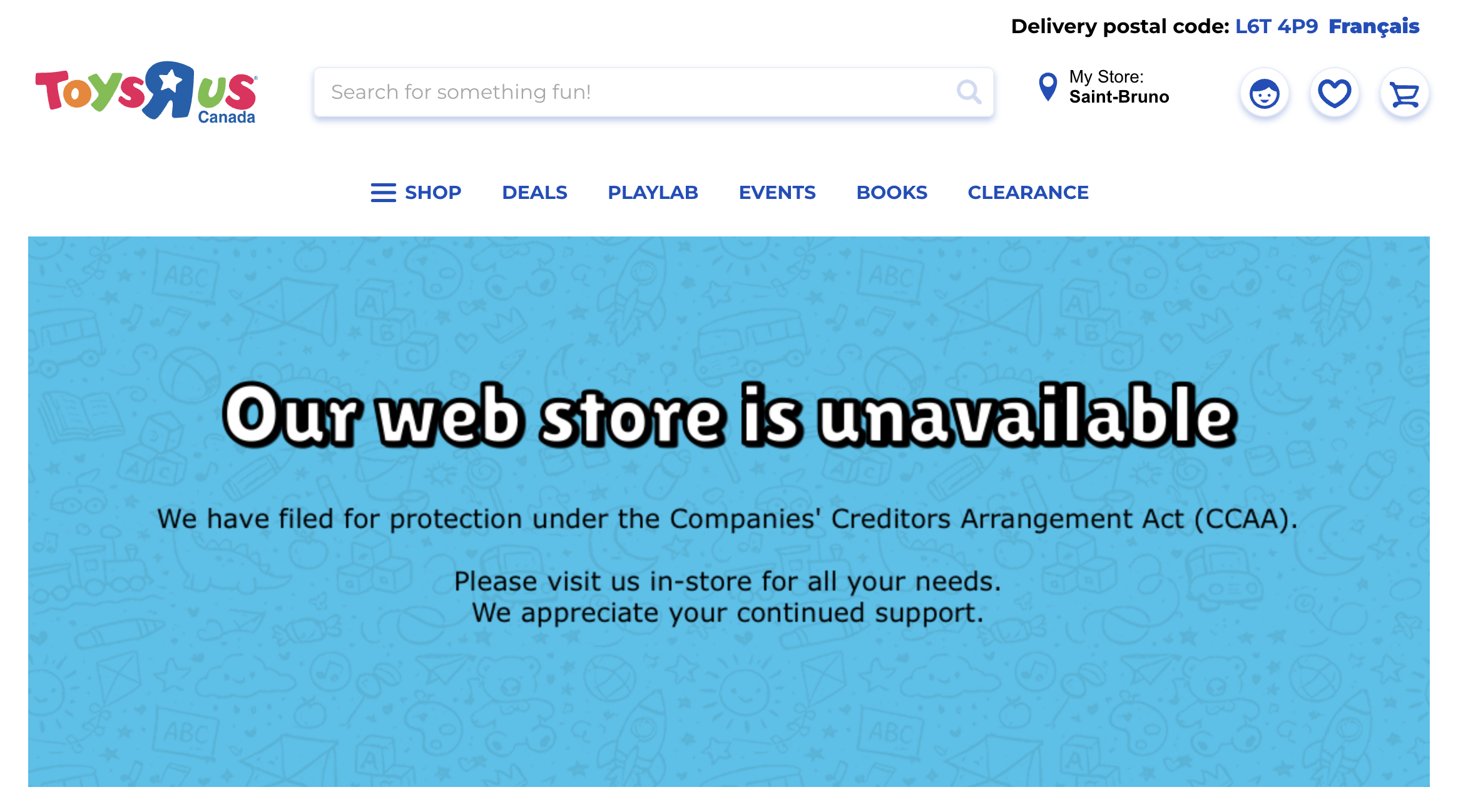
The restructuring record points to a business under sustained pressure. Toys R Us Canada says it has cut head office costs, reduced staffing, closed unprofitable stores, negotiated with suppliers, and tested new revenue concepts in an attempt to stabilize operations. Court documents cited in recent coverage say the retailer owes about $120 million to vendors, in addition to substantial obligations to landlords.
In its court filings, the company said it still operates stores across the country and continues to serve customers nationwide through the reduced chain. But it also pointed to persistent inflation, higher labour and occupancy costs, post-pandemic supply disruptions, and the longer-term shift toward e-commerce as forces that have weakened the traditional toy-store model.
The monitor’s materials describe a significant revenue decline in recent years, driven by competition from online and big-box retailers as well as softer consumer demand. That backdrop helps explain why the case is now moving beyond restructuring and toward a court-supervised effort to sell the remaining business.
The Canadian company has operated separately from the U.S. Toys R Us brand owners since 2018. Even before the current filing, the chain had already spent two years shrinking, closing 53 stores across Canada in the run-up to its CCAA application.
The content on The Coinomist is for informational purposes only and should not be interpreted as financial advice. While we strive to provide accurate and up-to-date information, we do not guarantee the accuracy, completeness, or reliability of any content. Neither we accept liability for any errors or omissions in the information provided or for any financial losses incurred as a result of relying on this information. Actions based on this content are at your own risk. Always do your own research and consult a professional. See our Terms, Privacy Policy, and Disclaimers for more details.
Articles by this author