Qatar warns oil may hit $150 as Hormuz disruption lingers

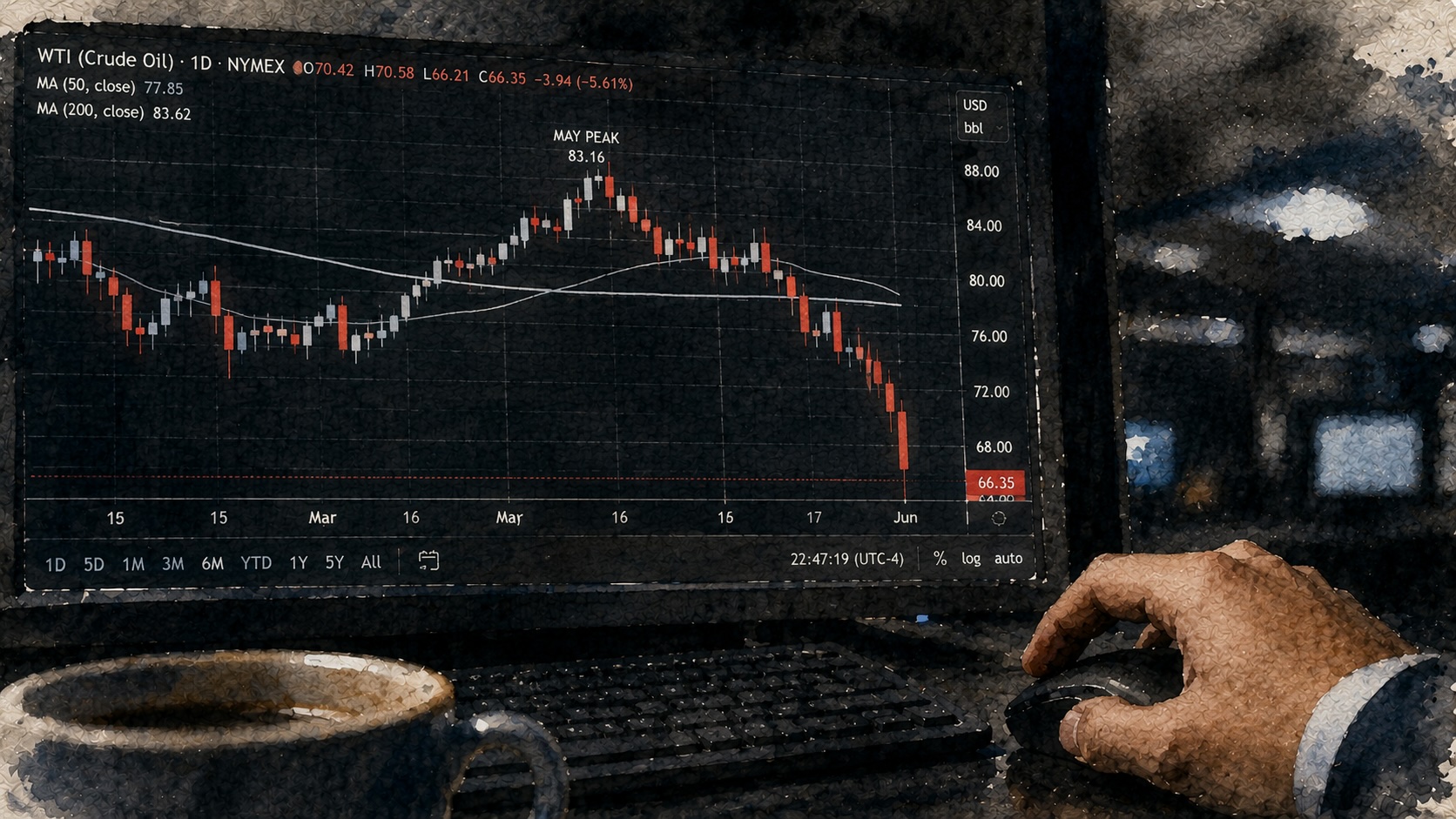
The energy chief of Qatar warned oil could reach $150 within weeks if ships cannot pass the Strait of Hormuz, as WTI hit $92.61 and Brent $94.64. Gulf output is being cut and war-risk insurance has paused.
Oil rallied for a fifth straight session on Friday after Qatar warned prices could surge if shipments from the Persian Gulf remain blocked. West Texas Intermediate spiked to $92.61 a barrel before easing to $90.44, up 11.6% on the day. Brent reached $94.64 intraday and later traded at $92.30, up 8%. Prices are up about 52% since the start of the year. The U.S. average gasoline price rose to $3.32 a gallon, up 11.3% in a week and nearly 17% this year, according to AAA.
Energy Minister Saad Sherida al-Kaabi cautioned that crude could climb to $150 within weeks if exports cannot move through the Strait of Hormuz. The Gulf region supplies more than 20% of global crude and a similar share of liquefied natural gas, and nearly all those cargoes transit the narrow waterway connecting the Persian Gulf to the Indian Ocean. The strait is effectively shut after attacks on commercial vessels and a halt in war-risk insurance for the route.
Producers in the region are curbing output as storage fills. Kuwait has started to cut production, and regional officials warned that more fields could be shut within days if shipping delays persist.
In Washington, President Donald Trump and Defense Secretary Pete Hegseth planned to meet defense contractors Friday to press for faster weapons production. The administration is preparing a $20 billion reinsurance facility to support maritime cargo policies for Gulf voyages, according to officials familiar with the plans.
U.S. stocks fell alongside the energy shock. The S&P 500 slipped 0.9% in afternoon trading and was on track for a 1.6% weekly decline. The Nasdaq Composite was down 0.8% to 22,577, a 0.4% drop for the week. The Dow Jones Industrial Average fell 433 points to 47,522, down 3% for the week. Shares of major oil producers, including Exxon Mobil and Chevron, were little changed.
The timeline for reopening the strait remains unclear. Iran has not named a successor following the Feb. 28 assassination of Supreme Leader Ali Khamenei, leaving uncertainty over command of security forces. U.S. assessments indicate Russia is providing Iran with targeting information for attacks on American forces in the region.
The Strait of Hormuz handles roughly a fifth of global crude flows and key volumes of LNG from Qatar. Disruptions can tighten physical supply, lift spot prices and freight rates, and strain regional fuel availability.
Traders and refiners indicated that the path for prices depends on how quickly exports resume and how Gulf producers adjust output. If the closure persists and onshore storage reaches capacity, more production could be shut in. Some cargoes are being rerouted around the Arabian Peninsula at higher cost and with longer transit times.
U.S. officials expect crude and gasoline prices to ease if a cease-fire is reached and safe passage for commercial vessels is restored. Near term, the focus is on whether insurers return to the market under a government backstop and whether naval patrols deter further attacks.
“We are running out of storage,” according to a Gulf official, noting that even short interruptions can force producers to throttle back. Al-Kaabi emphasized that stabilizing flows is the priority: “We need the strait open. We need the oil and gas moving.”
The content on The Coinomist is for informational purposes only and should not be interpreted as financial advice. While we strive to provide accurate and up-to-date information, we do not guarantee the accuracy, completeness, or reliability of any content. Neither we accept liability for any errors or omissions in the information provided or for any financial losses incurred as a result of relying on this information. Actions based on this content are at your own risk. Always do your own research and consult a professional. See our Terms, Privacy Policy, and Disclaimers for more details.
Tags
Articles by this author