IRGC warns 18 US tech firms over alleged AI espionage
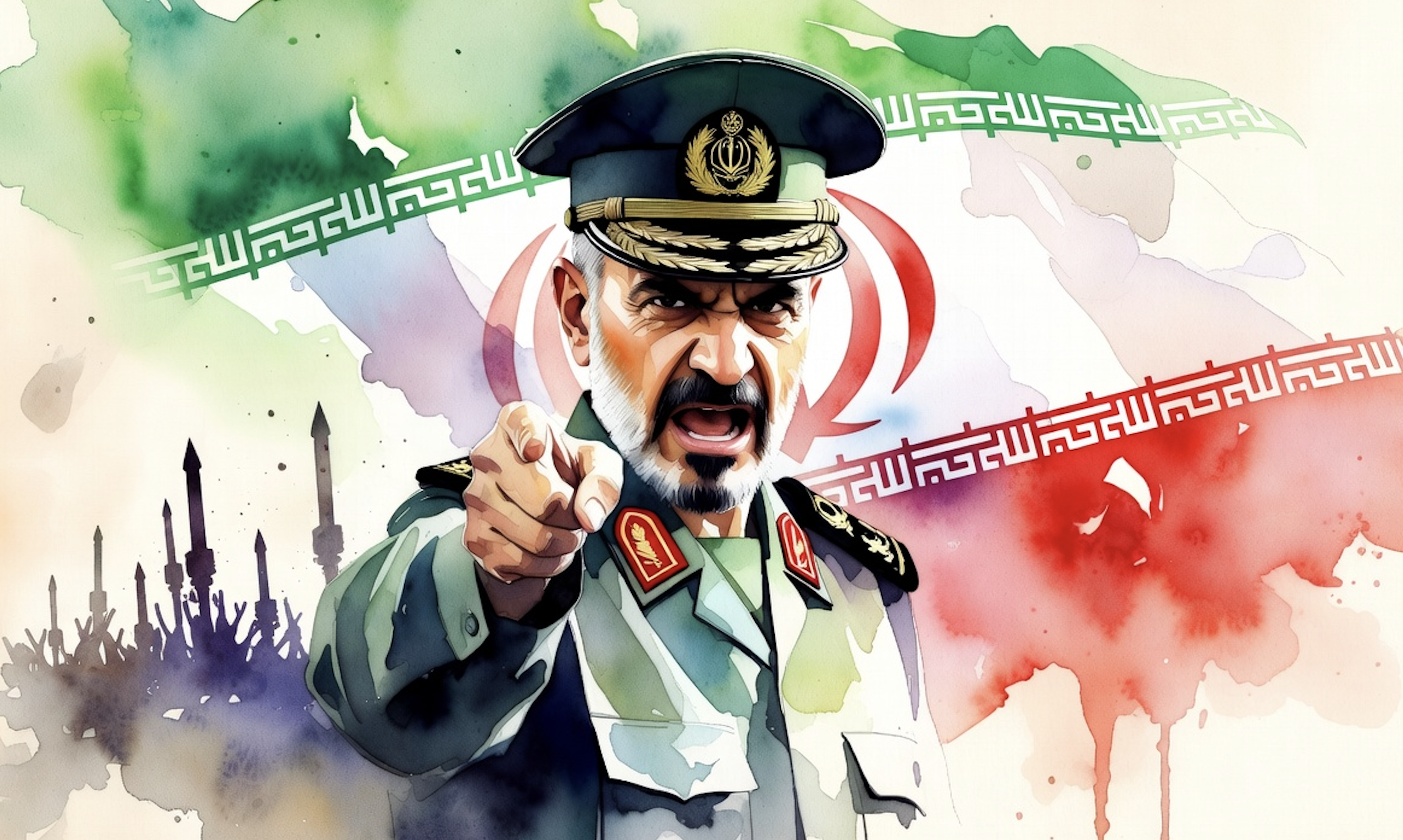
Iran’s Revolutionary Guard warned 18 U.S. tech firms, naming Apple, Google, Meta and Microsoft, alleging their AI and ICT tools aided actions against Iran and urging employees to leave offices.
Iran’s Islamic Revolutionary Guard Corps issued a notice on April 1 warning 18 U.S. technology companies over alleged AI-linked espionage. The corps accused firms including Apple, Google, Meta and Microsoft of enabling operations against Iranian interests and urged their employees to leave offices as a precaution. The allegations have not been independently verified.
The notice, published in Iran and updated April 1, also listed HP, Intel, IBM, Cisco, Tesla, Nvidia, Oracle, JPMorgan and Boeing. The IRGC asserted that artificial intelligence and communications systems tied to these companies were used to track targets and support actions connected to killings of Iranian figures. No technical evidence accompanied the notice, and the statement did not specify locations or timing for the office advisory.
Incidents in the region were reported around the same time. In Iraq, a strike killed two members of the Popular Mobilization Forces, which blamed the United States and Israel and indicated potential retaliation. In Saudi Arabia, multiple explosions were reported in Riyadh. Authorities had not released findings linking those events to the IRGC allegations.
European governments adjusted military coordination related to the Middle East. Italian authorities declined landing permission for certain U.S. military aircraft bound for the region, citing logistical constraints and limited time for parliamentary review. Officials did not indicate when a reassessment might occur.
U.S. officials described an uncertain security outlook. Defense Secretary Pete Hegseth characterized the next phase as decisive and noted continuing diplomacy, without ruling out potential troop deployments. The Pentagon did not provide immediate comment on the IRGC notice or the call for employees to leave offices.
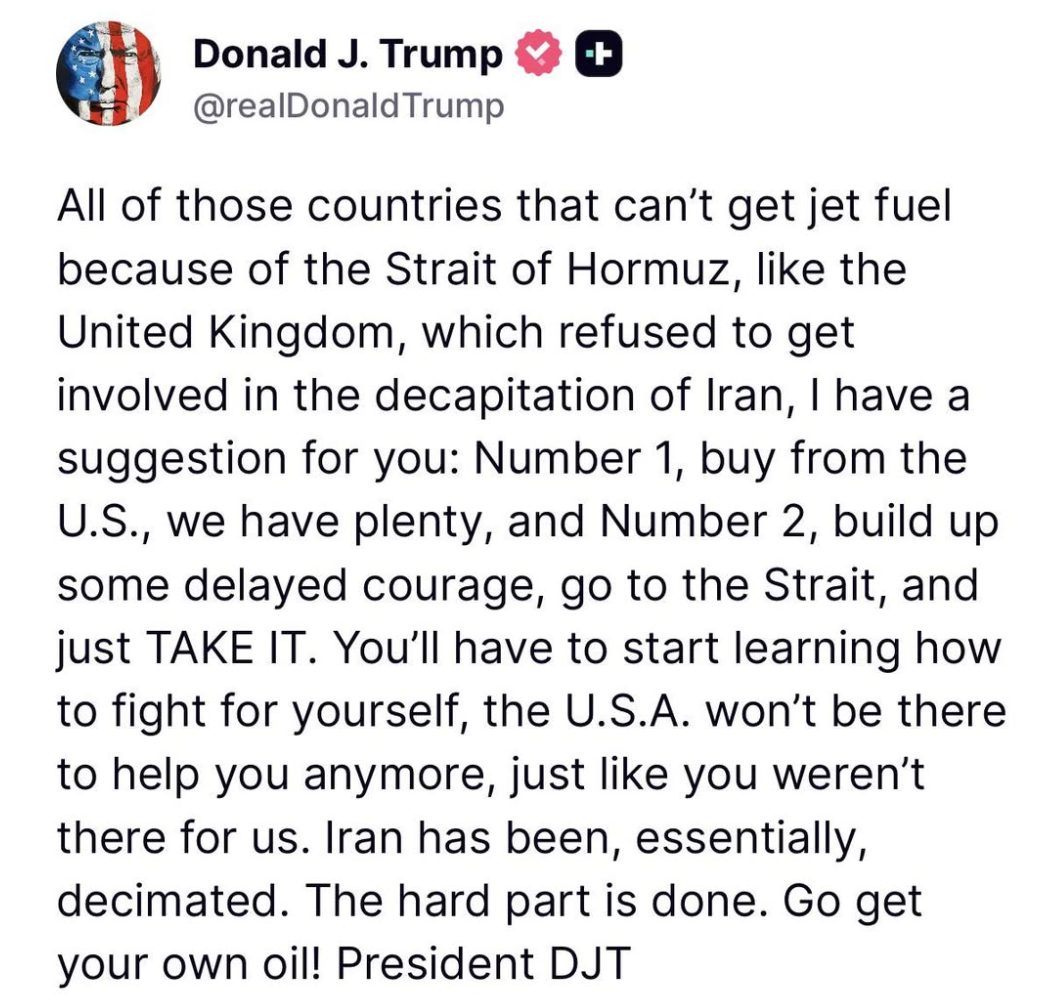
President Donald Trump addressed energy security amid tensions around the Strait of Hormuz, urging countries facing fuel shortages to secure their own oil supplies. He did not detail any change to U.S. naval deployments or sanctions policy in the waterway.
The companies named by the IRGC did not issue immediate public statements addressing the allegations. Without further technical detail from the corps, it remains unclear whether the claims involve public cloud services, commercial hardware, data analytics tools or other software platforms.
Security services in several countries increased monitoring after the reports of the strike in Iraq and the blasts in Riyadh. No government provided evidence linking those incidents to the allegations against the U.S. technology firms.
The content on The Coinomist is for informational purposes only and should not be interpreted as financial advice. While we strive to provide accurate and up-to-date information, we do not guarantee the accuracy, completeness, or reliability of any content. Neither we accept liability for any errors or omissions in the information provided or for any financial losses incurred as a result of relying on this information. Actions based on this content are at your own risk. Always do your own research and consult a professional. See our Terms, Privacy Policy, and Disclaimers for more details.
Tags
Articles by this author