Iran could seek $60B a year in Hormuz transit tariffs
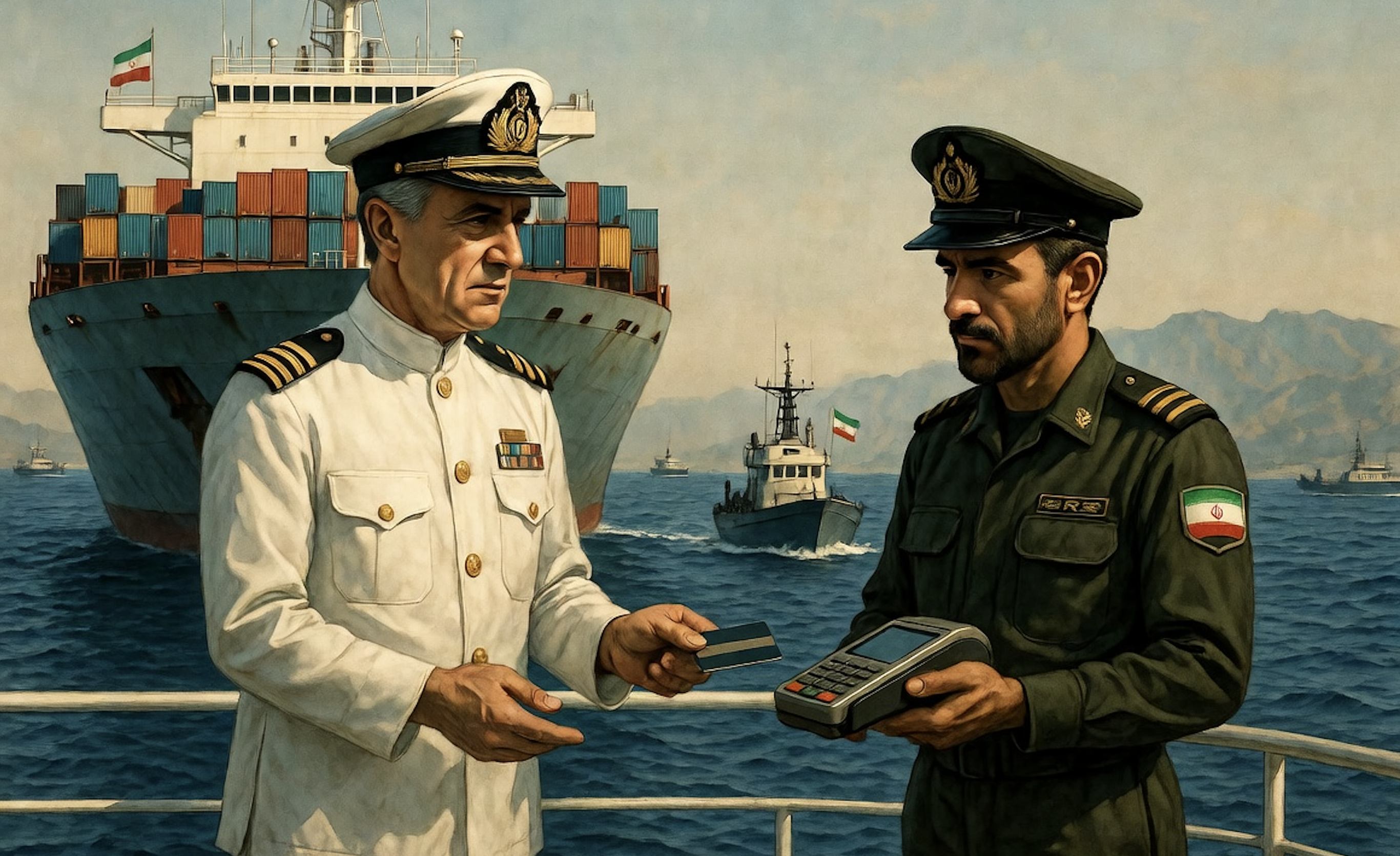
Iran could raise up to $60 billion a year by charging tariffs on ships through the Strait of Hormuz, economist Hossein Raghfar said on March 30, citing control of the waterway and steady oil exports.
Iran could collect as much as $60 billion a year by charging transit tariffs on ships passing through the Strait of Hormuz, according to economist Hossein Raghfar in March 30 remarks. He linked the estimate to Iran’s control of the narrow waterway connecting the Persian Gulf to the Gulf of Oman.
Raghfar, a university professor and economic analyst, noted that Iran already charges some commercial vessels and could formalize a schedule covering all energy and goods entering or leaving the Persian Gulf. “Based on some estimates, Iran can earn at least around $60 billion annually from tariffs on the entry and exit of energy and goods from the Persian Gulf, income that until now has been practically overlooked,” he stated.
Export-tracking data indicate Iran’s oil shipments have stayed close to roughly 1.6 million barrels per day. Estimated daily revenue from sales of Iranian Light crude reached about $139 million in March, up from approximately $115 million per day in February.
Price dynamics have shifted as well. The discount of Iranian Light to Brent narrowed from more than $10 per barrel before the conflict to about $2.10 per barrel in recent weeks, while Brent rose above $100 and briefly approached $126.
Beyond crude sales, authorities have been collecting shipping fees reported at up to $2 million on some vessels transiting the strait.
Raghfar described control of the strait as “a very powerful tool,” adding that “the position of the sanctioner and the sanctioned has been reversed.”
He argued that efforts to reopen the waterway by force would carry high risks and warned that oil prices could climb to $150 per barrel if current conditions persist. The International Energy Agency has called the disruption the greatest global energy security challenge in history, with about 20 million barrels of oil per day normally moving through the passage.
Raghfar urged officials to prepare a comprehensive tariff framework for all commercial traffic into and out of the Persian Gulf, without outlining specific rates or a timeline for implementation.
The content on The Coinomist is for informational purposes only and should not be interpreted as financial advice. While we strive to provide accurate and up-to-date information, we do not guarantee the accuracy, completeness, or reliability of any content. Neither we accept liability for any errors or omissions in the information provided or for any financial losses incurred as a result of relying on this information. Actions based on this content are at your own risk. Always do your own research and consult a professional. See our Terms, Privacy Policy, and Disclaimers for more details.
Tags
Articles by this author