Lagarde says ECB is watching wages and prices after Mideast shock
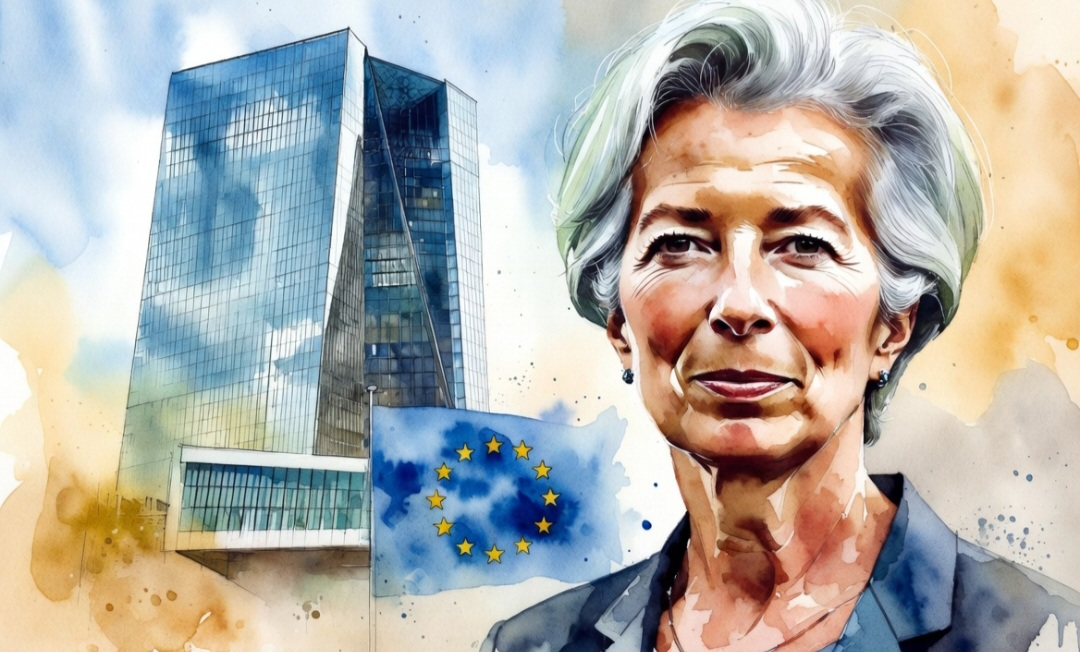
Lagarde outlined a data-driven approach to assess second-round effects from the Middle East energy shock and indicated the ECB will wait before acting; TD Securities projects a hike near the end of 2026.
The European Central Bank is keeping policy unchanged for now while it assesses whether the Middle East conflict’s energy-price jump is feeding into broader inflation, President Christine Lagarde explained at the ECB and Its Watchers conference. TD Securities expects the next rate increase near the end of 2026.
Lagarde detailed how the Governing Council is evaluating the shock. The focus is on whether higher energy costs pass through to wages and companies’ selling prices. Evidence of that pass-through would mark so-called second-round effects that could threaten medium-term inflation control. Until those signals are clear in the data, the ECB plans to wait before adjusting rates.
Officials are concentrating on two sets of indicators in the coming months: firms’ selling price expectations and wage trackers. In a separate address, Chief Economist Philip Lane highlighted these measures as key gauges for judging whether the energy shock is broadening beyond headline prices.
Lagarde noted that the central bank stands ready to respond if the outlook shifts. She pointed to the possibility of a “forceful or persistent” policy reaction should inflation deviate significantly and durably from the target. Based on the conditions she outlined, no immediate change to rates is implied.
TD Securities views Lagarde’s framework as consistent with recent ECB communication that emphasizes patience while monitoring data. The firm does not anticipate near-term tightening and continues to project a rate hike toward the end of 2026. It expects the wage and pricing indicators flagged by the ECB to guide assessments of policy risk.
The approach reflects the ECB’s aim to confirm whether the initial energy shock is altering wage-setting and core pricing behavior. Without sustained signs of those second-round effects, officials intend to track incoming information before considering a policy shift.
Related: ECB seeks experts for digital euro ATM and certification rules
The content on The Coinomist is for informational purposes only and should not be interpreted as financial advice. While we strive to provide accurate and up-to-date information, we do not guarantee the accuracy, completeness, or reliability of any content. Neither we accept liability for any errors or omissions in the information provided or for any financial losses incurred as a result of relying on this information. Actions based on this content are at your own risk. Always do your own research and consult a professional. See our Terms, Privacy Policy, and Disclaimers for more details.
Tags
Articles by this author