Binance sues Wall Street Journal for defamation over Feb. 23
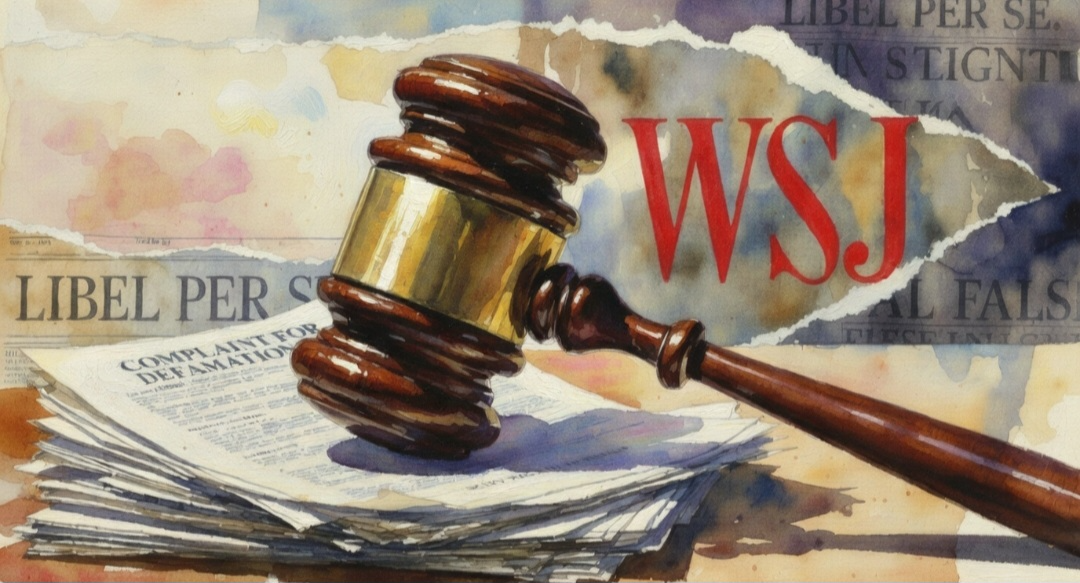
Binance filed a defamation complaint over a Feb. 23, 2026 article, alleging false statements that it says spurred government inquiries and hurt its reputation.
Binance filed a defamation lawsuit against The Wall Street Journal over a Feb. 23, 2026 article, arguing it included false statements that prompted government inquiries and harmed the crypto exchange’s reputation.
The complaint seeks to correct the record and hold the publisher accountable, according to the company. Binance contends the article led officials to open inquiries it considers unnecessary, diverting resources and creating confusion for users and partners.
Binance’s global head of litigation, Dugan Bliss, called the filing “a necessary step to defend ourselves against misinformation” and to address reputational harm.
In outlining its case, the company pointed to outcomes it attributes to its compliance program. Binance reports a 96.8% drop in sanctions-related exposure as a share of trading volume from January 2024 to July 2025. It also cites a 97.3% decline in direct exposure to four major Iranian crypto exchanges, from $4.19 million in January 2024 to $110,000 in January 2026. The firm processed more than 71,000 law-enforcement requests in 2025 and supported the freezing and recovery of hundreds of millions of dollars linked to illicit activity that year.
For additional context on the exchange’s security posture, readers can also review our breakdown of whether Binance is safe in 2026. It examines the platform’s security infrastructure, regulatory position, and the main risks users should consider.
According to Binance, more than 1,500 employees-nearly a quarter of its workforce-work in compliance, investigative and risk roles, including specialists in sanctions, counter-terrorist financing and on-chain tracing. The company describes controls such as customer due diligence, transaction monitoring, sanctions screening, behavioral analytics, investigation workflows and stronger geolocation tools designed to block users in prohibited jurisdictions, including measures against VPN circumvention.
Because public blockchains allow anyone to send assets to a deposit address without prior approval, no exchange can reduce risk to zero. Binance describes its approach as a mix of detection, investigation, mitigation, offboarding where necessary, reporting to authorities, and continuous monitoring.
It also highlights regulatory approvals and licenses in more than 20 jurisdictions, including what it says was the first full authorization granted to a cryptocurrency exchange by the Financial Services Regulatory Authority of Abu Dhabi Global Market.
The company frames the lawsuit as an effort to defend trust among users, partners, and other stakeholders while countering what it sees as misinformation. Binance says it will continue to expand compliance work, cooperate with law enforcement, and engage with regulators as it contests the claims in question.
The content on The Coinomist is for informational purposes only and should not be interpreted as financial advice. While we strive to provide accurate and up-to-date information, we do not guarantee the accuracy, completeness, or reliability of any content. Neither we accept liability for any errors or omissions in the information provided or for any financial losses incurred as a result of relying on this information. Actions based on this content are at your own risk. Always do your own research and consult a professional. See our Terms, Privacy Policy, and Disclaimers for more details.
Articles by this author