

Is Binance Safe in 2026: Beginner Security Guide and Risks
Affiliate Disclosure:
The Coinomist publishes reviews and ratings produced by GNcrypto as part of a content partnership. GNcrypto’s editorial team tests platforms independently using real funds. If you click on affiliate links, GNcrypto may earn commissions, which support their testing infrastructure. All opinions, ratings, and assessments are GNcrypto’s. The Coinomist does not influence evaluations and may not share these views.
Binance

Binance is a solid option for beginners if you enable passkeys or 2FA, Anti-Phishing Code, and a withdrawal whitelist. However, protections are opt-in and phishing remains the main user-side risk.
GNcrypto's Verdict

Binance is a global centralized exchange with strong account-level security controls and regular Proof of Reserves. Is Binance safe? That depends on your setup. The platform works for beginners who enable passkeys or authenticator 2FA, Anti-Phishing Code, and withdrawal whitelist with 24-hour address lock. The main trade-off is that most protections are opt-in, so your security depends on what you activate.
- Strong login hardening with passkeys or authenticator 2FA
- Anti-Phishing Code plus withdrawal whitelist and a 24-hour lock
- Regular Proof of Reserves disclosures and SAFU as a platform-side buffer
- Most protections are opt-in, so safety depends on your setup
- Proof of Reserves is a snapshot, not real-time assurance
- Phishing and fake support impersonation remain the main user-side risk
On this page
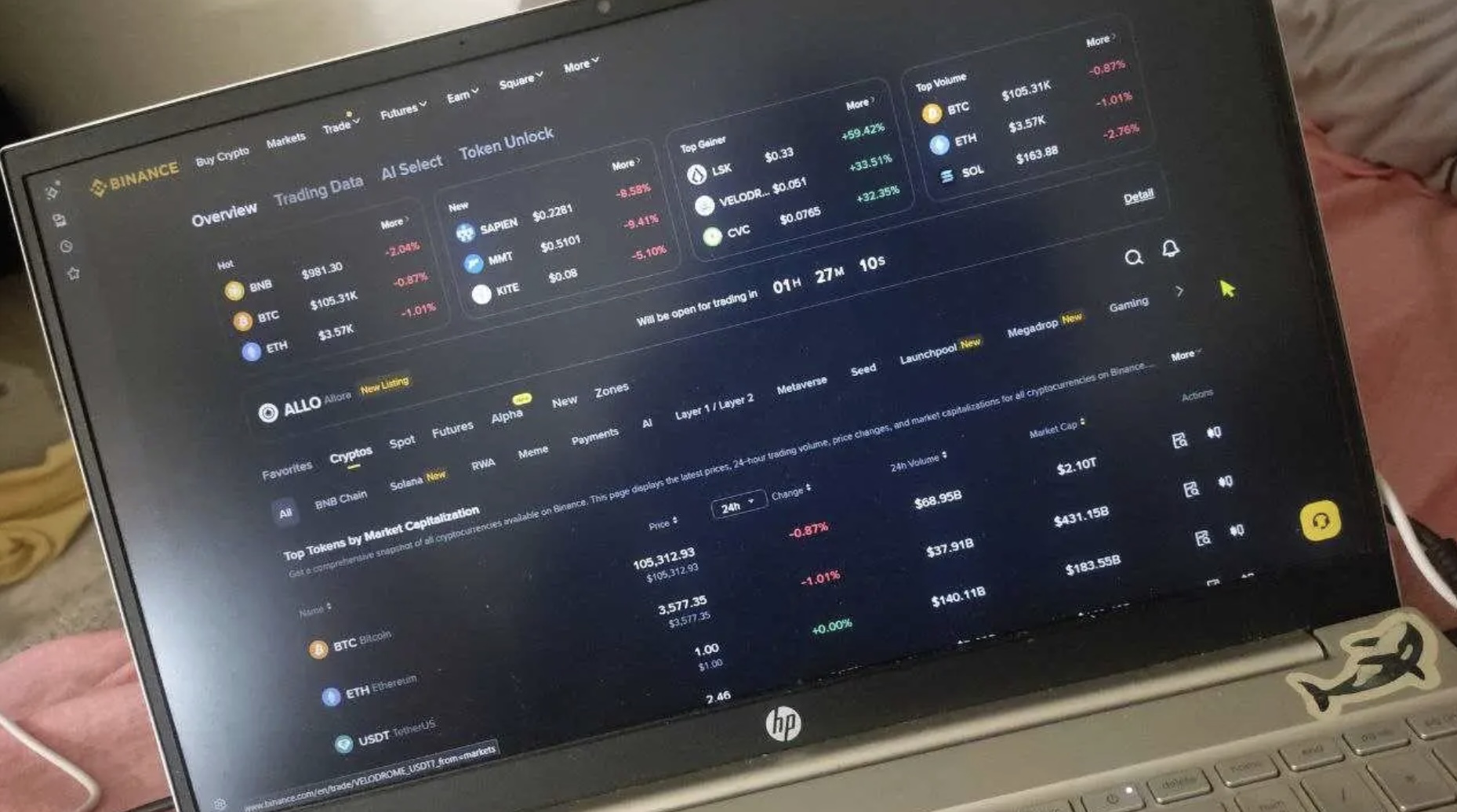
GNcrypto reviewed Binance safety for 2026 from a beginner perspective, focusing on the controls that actually reduce risk in day-to-day use. Here are the key takeaways: what to enable before funding, what past incidents show about platform response, and how PoR and compliance signals fit into a practical stay-safe checklist.
Binance Security Systems and Protection Measures
Is Binance safe to use? Check what you control inside the account, not by trusting headlines.
Secure your sign-in. Binance supports stronger login methods like passkeys and authenticator-based 2FA. Use passkeys or an authenticator app rather than SMS, because SMS can be vulnerable to SIM-swap attacks. Keep it simple: set one method up, then log out and back in once so you know it works before funding.
Protect your inbox. Binance’s Anti-Phishing Code helps you spot fake “support” emails fast. You set a short secret code, and Binance includes it in official emails. A practical rule is to treat any message without your code as suspicious and avoid clicking links inside it, especially during password resets or “account locked” alerts.
Lock down withdrawals. A withdrawal whitelist is a useful guardrail because it restricts where funds can be sent, even if an attacker gains access. Binance also applies a 24-hour lock when you add a new withdrawal address. For beginners, this delay gives you time to catch errors that buys time if something looks wrong. If you plan to withdraw to your own wallet, whitelist the address early and run a small test transfer first.
Use device and session controls. Device management lets you review active sessions and sign out anything you do not recognize. Check it after setup and anytime you receive a security alert.
Day-one checklist: enable passkeys or authenticator 2FA, set an Anti-Phishing Code, turn on a withdrawal whitelist, review devices, and run a small test withdrawal.
Past Security Incidents and Transparency Practices
Is Binance legit? GNcrypto looked at two categories: major public incidents and the transparency signals Binance publishes.
- May 2019: 7,000 BTC hot-wallet hack. Binance disclosed a major hot-wallet theft in 2019 and stated the loss was covered via SAFU rather than passed to users. For beginners, the key point is the response pattern: the platform absorbed the damage instead of socializing losses across customer balances.
- October 2022: BNB Smart Chain bridge exploit. In 2022, a bridge exploit affected BNB Smart Chain rather than Binance.com account balances. The beginner's takeaway is the distinction: a network-level incident is not always the same as an exchange breach, and Binance stated exchange-held client funds were not exposed in the same way.
- Monthly Proof of Reserves (PoR) and self-checks. Binance publishes PoR snapshots using Merkle-tree style verification and a privacy-focused approach, and it provides a self-service tool for users to verify balance inclusion.
- Assets plus liabilities framing. A stronger transparency signal is showing both reserves and client liabilities, which helps users evaluate coverage rather than seeing a wallet list only.
- Limitations. PoR is a snapshot, not real-time assurance, so it should complement, not replace, strong account security and sensible self-custody.
Binance Regulatory Status and Compliance Framework
This section follows GNcrypto’s compliance overview: a more precise question than “is it regulated” is whether Binance is authorized or permitted where you live, and which entity serves your region. Mandatory KYC is part of that compliance direction, even if it adds friction during onboarding.
Europe: Binance has been aligning operations with MiCA-era expectations, which affect product availability and stablecoin offerings depending on EEA rules. The practical takeaway is to check what changes apply to your country before you deposit, especially for fiat rails and stablecoins, because what you see in the app can differ by region.
Outside Europe: Binance points to licensing or approvals in multiple hubs, including parts of the UAE and Asia. These frameworks differ by jurisdiction and change as rules tighten, so it is worth verifying the local entity and permissions for your location.
Access is not universal: Binance.com is not available in the US, and Canada has had its own restrictions in recent years, while India has seen compliance-driven changes.
Stronger compliance reduces some platform risk, but is Binance safe for you still depends on local access rules and how you secure your account.
Pros and Cons
What keeps you safe on Binance in day-to-day use.
Strengths:
- Passkeys or authenticator 2FA plus device and session controls
- Anti-Phishing Code and a withdrawal whitelist with a 24-hour lock
- Regular Proof of Reserves disclosures with user self-verification
- SAFU track record as a platform-side breach buffer
Weaknesses:
- Core protections are opt-in, not default
- Proof of Reserves is a snapshot, not real-time assurance
- High user-side risk from phishing and support impersonation if you skip the basics
Latest News




Recommended Articles/Reviews





The content on The Coinomist is for informational purposes only and should not be interpreted as financial advice. While we strive to provide accurate and up-to-date information, we do not guarantee the accuracy, completeness, or reliability of any content. Neither we accept liability for any errors or omissions in the information provided or for any financial losses incurred as a result of relying on this information. Actions based on this content are at your own risk. Always do your own research and consult a professional. See our Terms, Privacy Policy, and Disclaimers for more details.
