What is an asset?

An asset is anything you own that holds value or helps create it. That can mean cash in a bank account, a piece of equipment, a patent, or a share of stock. Whether you are managing personal finances or running a company, understanding what counts as an asset is the starting point for better financial decisions.
On this page
What is an asset and why does it matter?
The question of what are assets comes up in personal finance, business, and accounting alike. In simple terms, an asset is something with economic value that is owned or controlled and expected to provide a future benefit. That benefit might come in the form of cash, income, productivity, resale value, or strategic advantage.
In accounting, assets appear on one side of the balance sheet, alongside liabilities and equity. Outside accounting, the idea is more practical: assets are the things a person or business has built, bought, saved, or invested in that still carry value. Some produce income. Some appreciate it over time. Some simply make it possible to operate.
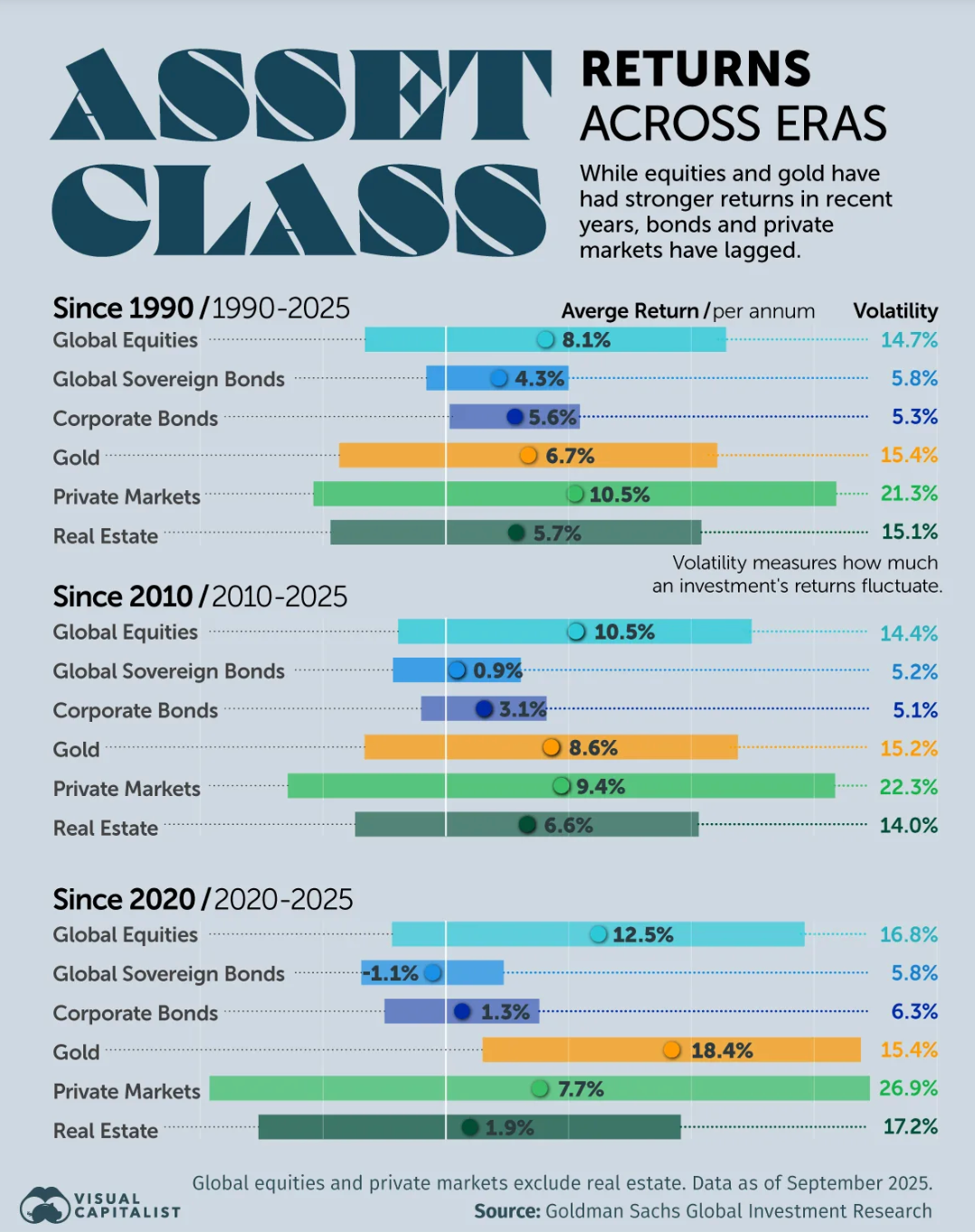
This matters because assets shape financial strength. A company with a solid asset base can borrow more easily, invest in growth, and absorb pressure during weaker periods. For an individual, assets are what build net worth over time. They can generate cash flow, support long-term goals, or serve as a buffer when conditions worsen.
The asset definition sounds simple, but its implications are wide. Once you know what qualifies as an asset, it becomes easier to read a balance sheet, assess financial health, and make better decisions about spending, investing, or borrowing.
Main types of assets explained
Not all assets work the same way, and those differences matter. The types of assets are usually grouped by how quickly they can be turned into cash, whether they have physical form, and how they are used.
The most common accounting split is between current and non-current assets. Current assets are expected to be converted into cash within a year. This group includes cash, accounts receivable, inventory, and short-term investments. Non-current assets are held for longer periods and often support operations over time. Property, equipment, and long-term investments fall into that category.
Another common distinction is between tangible and intangible assets. Tangible assets have physical form: land, machinery, vehicles, buildings, computers. They can usually be inspected and valued more directly. Intangible assets have no physical presence, but they can be just as important. Patents, trademarks, licenses, software, customer relationships, and goodwill all belong here. In some businesses, these are the most important assets on the books.
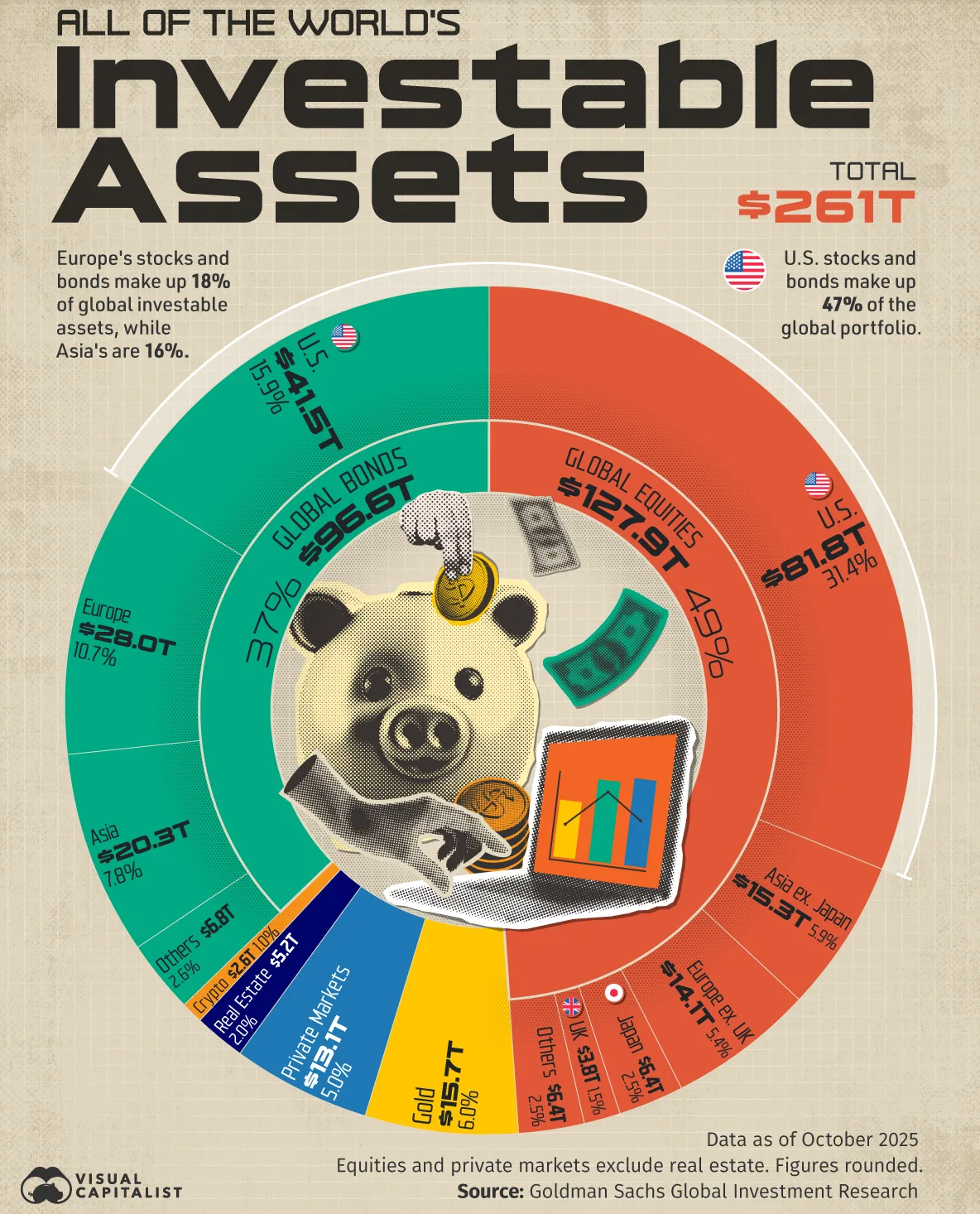
Assets can also be grouped by function. Financial assets include cash, stocks, bonds, and deposits. Their value comes from a contractual or legal claim. Real assets include real estate, commodities, and infrastructure. Operating assets are the ones a business uses day to day, such as machinery, office equipment, and delivery vehicles. Digital assets add another layer, especially in modern finance, where cryptocurrencies and tokenized instruments are becoming more common even as accounting treatment and regulation remain uneven.
Category matters because it affects how an asset is valued, taxed, depreciated, reported, and used. Two assets may carry the same price tag but serve very different purposes in a portfolio or on a balance sheet.
Assets vs. liabilities
The clearest way to understand assets is to compare them with what they are not. Assets vs. liabilities is one of the most basic distinctions in finance. Assets represent what you own or control. Liabilities represent what you owe.
Loans, mortgages, unpaid invoices, lease obligations, and deferred revenue are all liabilities. They reduce what remains for the owner after obligations are settled. That is why net worth matters more than gross asset value on its own. A house worth $400,000 does not create $400,000 in wealth if it is paired with a $350,000 mortgage. The real equity is $50,000.
The same logic applies in business. A company may have a large asset base and still be financially weak if debt has grown just as quickly. By contrast, a business with fewer assets but tighter liabilities can be in a stronger position. This is why balance sheet analysis rarely stops at total assets alone.
Lenders also look at the relationship between assets and liabilities when they assess credit risk. Assets may serve as collateral, but what matters more is whether they provide enough coverage against existing obligations. Strong asset quality can improve access to financing. Weak coverage can limit it.
The bottom line
The asset definition is straightforward on the surface: something owned that holds or generates value. But in practice, assets sit at the center of nearly every financial judgment.
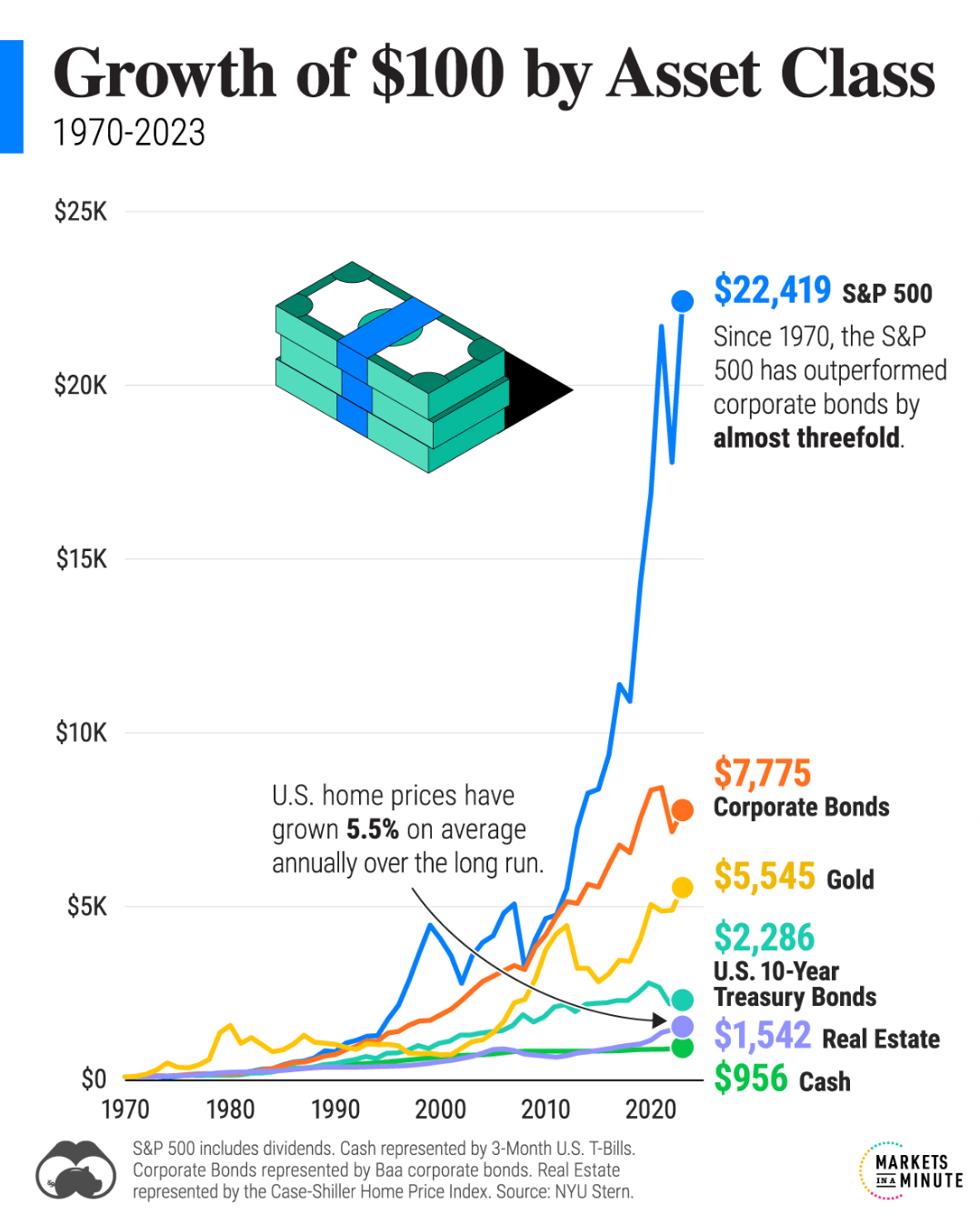
For individuals, assets are what gradually build long-term wealth. For businesses, they shape capacity, flexibility, and earning power. For investors, understanding what an asset is, how it is valued, and what risks come with it is a basic skill, not a specialized one – especially when tracking where wealth is concentrated, as seen in the latest global billionaire total
Once you understand what counts as an asset, how different categories work, and how assets interact with liabilities, financial statements become easier to read and financial choices become easier to judge. That is why the concept matters so much: it is simple, but it shows up everywhere.
The content on The Coinomist is for informational purposes only and should not be interpreted as financial advice. While we strive to provide accurate and up-to-date information, we do not guarantee the accuracy, completeness, or reliability of any content. Neither we accept liability for any errors or omissions in the information provided or for any financial losses incurred as a result of relying on this information. Actions based on this content are at your own risk. Always do your own research and consult a professional. See our Terms, Privacy Policy, and Disclaimers for more details.
Articles by this author