Oil tops $100 as Iraq, Kuwait cut output; Hormuz flows slow
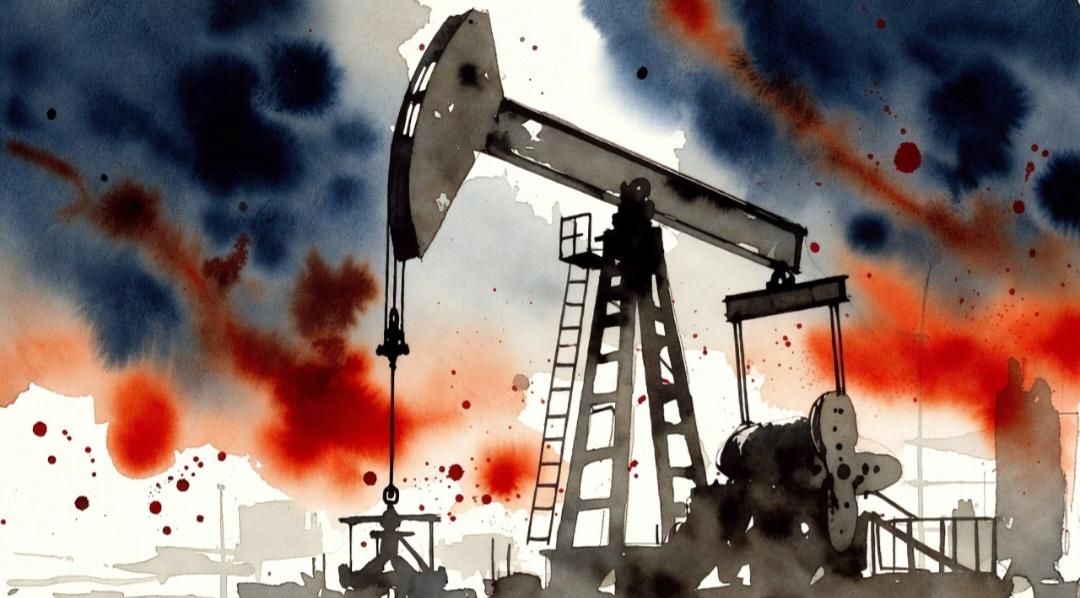
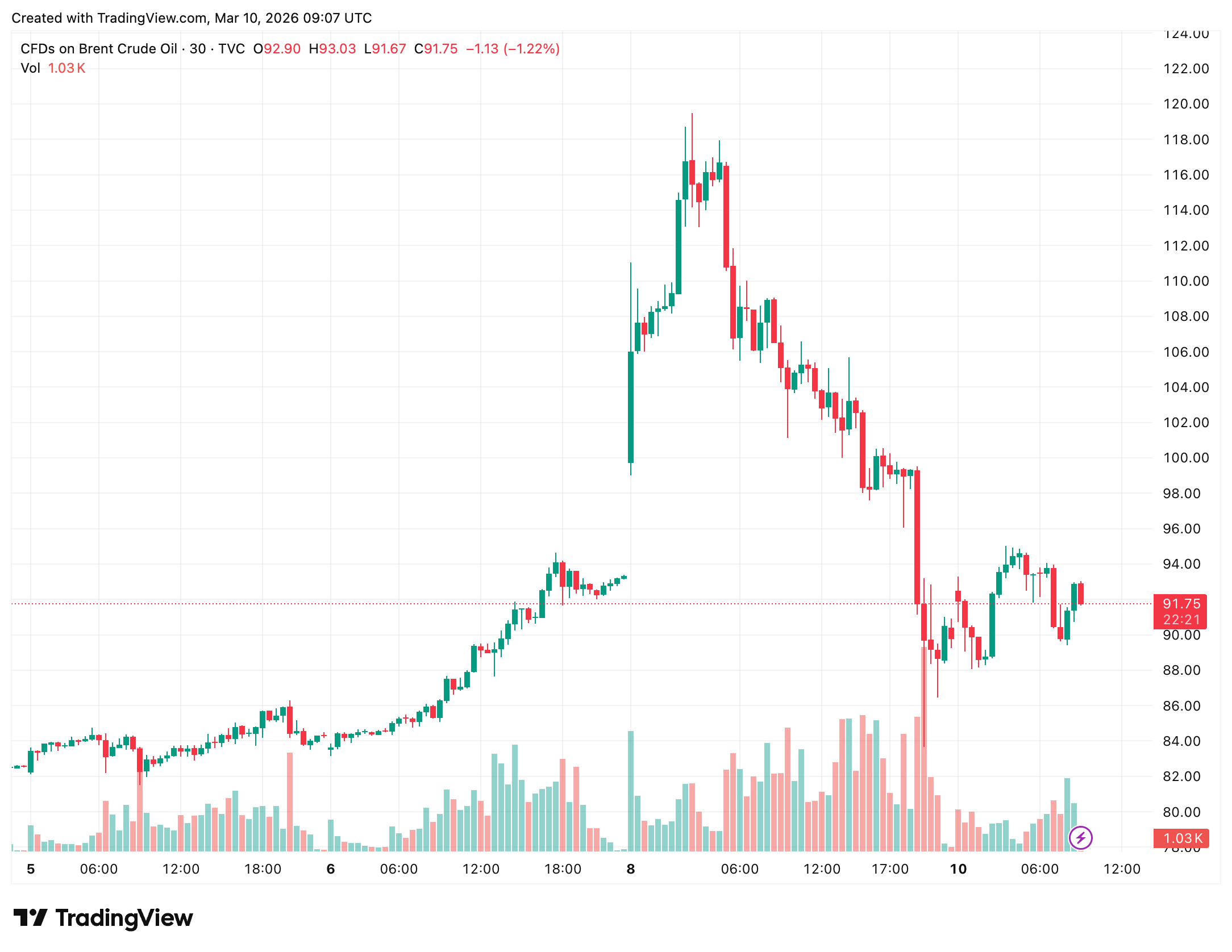
Brent surged 16.7% to $108.20 and WTI 15.7% to $105.13, the highest since July 2022, after Iraq and Kuwait cut output and shipments through the Strait of Hormuz slowed.
Editor's note, March 10: This article has been updated to reflect the latest developments.
Ships are moving – but quietly
Tanker traffic through the Strait of Hormuz has not stopped entirely. Vessels are crossing, but turning off their AIS transponders before entering the strait and switching them back on once through. The practice makes real-time flow data unreliable and complicates any assessment of how much oil is actually moving.
Oil pulls back, then recovers
Brent fell as low as $85 a barrel before recovering to $91. The retreat suggests some traders are pricing in the possibility of de-escalation, but the recovery indicates the supply risk premium remains firmly in the market.
The largest oil supply shock in history
Analysts and market participants have begun describing the current disruption in terms not previously applied to any prior crisis. The market has never had to price something like this. What comes next is still being worked out in real time.
Oil prices jumped Monday to their highest since July 2022 after Iraq and Kuwait cut production and export flows through the Strait of Hormuz tightened. Brent rose 16.7% to $108.20 a barrel, and West Texas Intermediate gained 15.7% to $105.13.
Iraq’s southern oilfields reduced output by 70% to 1.3 million barrels per day as exports through the Strait were constrained, industry officials reported. Kuwait Petroleum Corporation began cutting production on Saturday and declared force majeure on shipments without providing the size or duration of the reductions.
Despite the sudden surge, the market experienced a brief correction during early trading, with prices momentarily dipping below the $100 threshold before recovering.
The Strait of Hormuz, a route for about one-fifth of global daily oil supply, has seen shipments curtailed. Some refineries suspended operations, and storage capacity across the Gulf tightened as loadings slowed. Storage pressure has grown in the United Arab Emirates and Saudi Arabia as tanks fill. Qatar, a major liquefied natural gas exporter, had already reduced LNG shipments.
Regional energy facilities reported several security incidents in recent days. Debris from aerial activity triggered a fire in the UAE’s Fujairah oil zone last week; no injuries were reported. Saudi Arabia’s Defense Ministry reported on X that air defenses intercepted a drone targeting the Shaybah oilfield in the east.
Over the weekend, coordinated air strikes hit fuel and storage sites in and around Tehran, including the Aghdasieh oil warehouse in the northeast, the Tehran refinery in the south, the Shahran oil depot in the west, and a depot in Karaj. Witnesses described oil spilling from the Shahran facility onto nearby streets. Iran’s National Iranian Oil Products Distribution Company reported four employees were killed.
In response to the intensifying supply chain risks, G7 nations have begun serious discussions regarding a coordinated release of emergency oil reserves to hedge against further market instability.
Political statements accompanied the unrest. In a Sunday comment, US President Donald Trump stated, “The conflict may only cease once Iran's military and ruling authorities are defeated.” The same day, Mojtaba Khamenei was named successor to Iran’s Supreme Leader, Ali Khamenei.
Monday’s gains returned Brent and WTI above $100 a barrel for the first time since July 2022.
The content on The Coinomist is for informational purposes only and should not be interpreted as financial advice. While we strive to provide accurate and up-to-date information, we do not guarantee the accuracy, completeness, or reliability of any content. Neither we accept liability for any errors or omissions in the information provided or for any financial losses incurred as a result of relying on this information. Actions based on this content are at your own risk. Always do your own research and consult a professional. See our Terms, Privacy Policy, and Disclaimers for more details.
Tags
Articles by this author