Asia returns to coal as Iran strife chokes oil, LNG
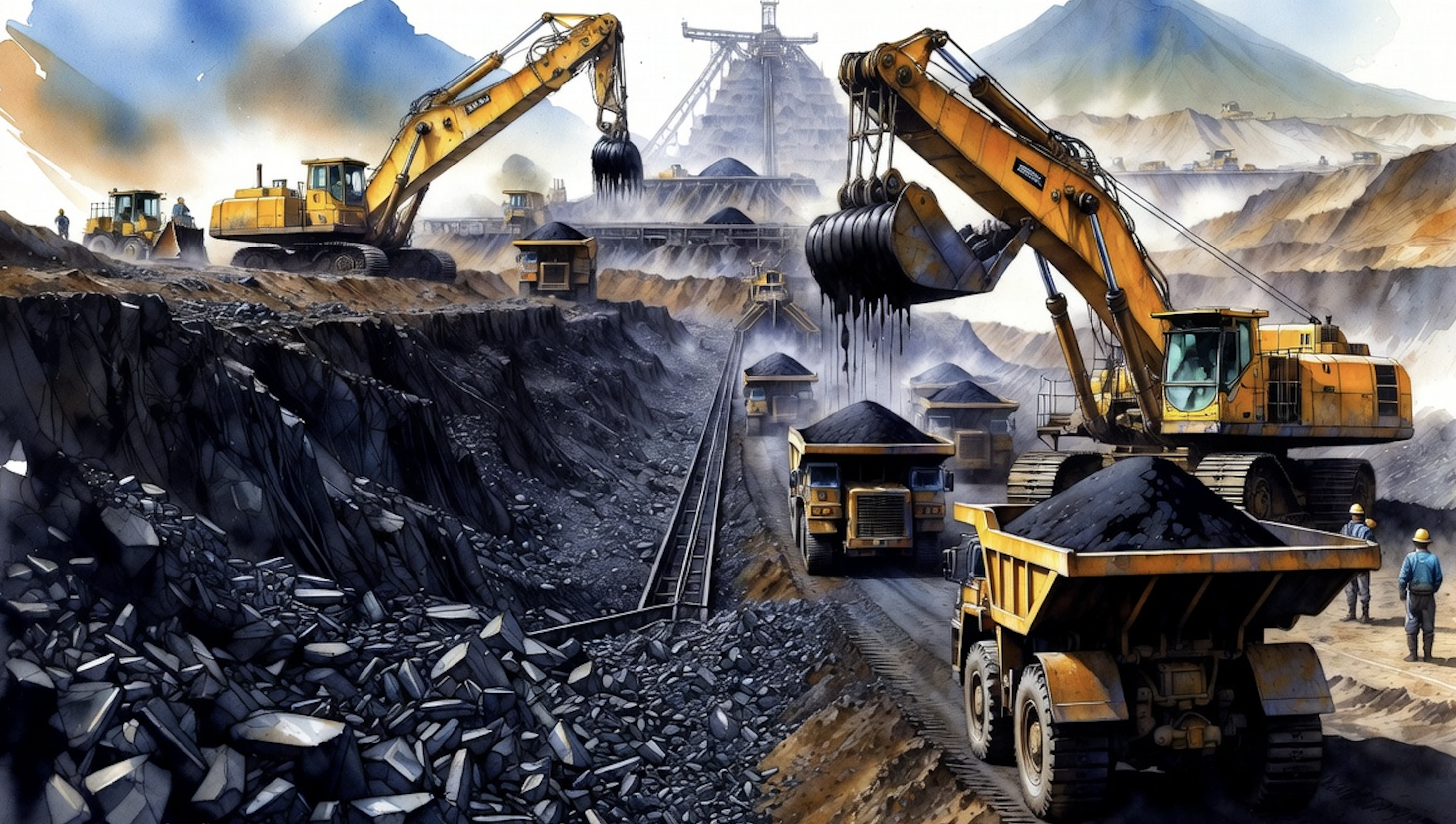
Asia leans on coal after strikes on Iran disrupted oil and LNG via the Strait of Hormuz, prompting India, South Korea, Vietnam, Thailand and Philippines to boost coal-fired output.
Asian utilities are leaning back on coal in 2024 after U.S.-Israel strikes on Iran late last month disrupted crude and liquefied natural gas (LNG) shipments through the Strait of Hormuz, a route that handles about one-fifth of global oil and gas trade. Tighter fuel flows are pushing power producers to secure electricity with coal generation.
India, the world's second-largest coal consumer and producer, is preparing for peak summer demand of about 270 gigawatts and is drawing on stockpiles that cover roughly three months, with some reserves set aside for small businesses. Two Indian liquefied petroleum gas cargoes totaling more than 92,700 tons recently cleared the strait, supplies likely bound for industrial use rather than power, according to energy researcher Sandeep Pai at Duke University.
South Korea has relaxed limits on coal generation to offset LNG shortfalls while keeping plans to retire most coal plants by 2040 and to halve national emissions by 2035. Renewables supplied about 10% of its electricity in 2024. Over the past 11 years, the country committed about $127 billion to fossil fuels-around 13 times more than to renewables-and spent $120.1 billion on fuel imports in 2024, based on figures shared by Joojin Kim of Solutions for Our Climate. “The concern is not just the decision itself. It is the precedent it sets,” Kim noted.
China, the largest coal consumer and producer, has added record coal-fired capacity since 2021 to reinforce energy security, even as wind and solar buildouts accelerate. Researchers report coal use has increased at times to compensate for hydropower losses during droughts. Pauline Heinrichs of King's College London described the pattern as “reproducing the insecurity” created by climate-linked shocks.
In Southeast Asia, Indonesia is prioritizing domestic coal use, a policy that could tighten regional supply and lift global prices, according to Putra Adhiguna of the Energy Shift Institute. Vietnam, which increased coal imports after weather-related shortages, is weighing extra purchases from the United States and Laos as Indonesian deliveries remain uncertain. The Newcastle benchmark for Australian coal widely used in Asia has risen about 13% since the strikes.
“Coal is integral to Asia's emergency energy plans. Its wide availability makes it the default backup when renewables or gas fall short,” observed Pai. Julia Skorupska of the Powering Past Coal Alliance called the current squeeze “a real sort of warning.” Michelle Manook of industry group FutureCoal argued future use should be “strategic,” adding, “the lesson has to be diversity.”
Coal prices are set in global markets, leaving import-dependent utilities exposed to swings and disruptions. Greater reliance on coal does not guarantee cheap or reliable power, noted Russell Marsh of climate think tank E3G. Vietnam is already contending with fluctuating costs, a risk for Thailand and the Philippines as they expand coal-fired capacity.
In Indonesia, coal power has become 48% more expensive in 2024 than in 2020 due to aging plants and higher costs, estimates from the Institute for Energy Economics and Financial Analysis show. Subsidies to the national utility rose 24% to $11 billion, around 5% of the state budget. Jakarta has promoted LNG to ease the transition from coal, yet renewed coal dependence, in Adhiguna's view, shows that switching to gas “is not as easy as it sounds.”
Public health pressures are growing. The World Health Organization links fine particles from coal smoke to higher risks of heart disease, stroke, lung cancer and chronic respiratory disease. An assessment found all 1.4 billion Indians breathe air with particulate levels above WHO safety guidelines. New Delhi has paused certain air-quality rules, allowing restaurants to burn coal to ease a gas shortage. In Vietnam, PM2.5 concentrations remain above WHO limits as the government promotes electric bikes and targets lower coal use. “I worry for my son's lungs every day,” noted Lan Nguyen, a shopowner in Hanoi.
Even with short-term coal reliance, utilities and governments point to renewables as the long-term path to reduce exposure to fuel shocks. Energy analysts estimate South Korea needs about 8 gigawatts of new wind each year to stay on track for net-zero goals, a pace that has yet to materialize.
The content on The Coinomist is for informational purposes only and should not be interpreted as financial advice. While we strive to provide accurate and up-to-date information, we do not guarantee the accuracy, completeness, or reliability of any content. Neither we accept liability for any errors or omissions in the information provided or for any financial losses incurred as a result of relying on this information. Actions based on this content are at your own risk. Always do your own research and consult a professional. See our Terms, Privacy Policy, and Disclaimers for more details.
Tags
Articles by this author