From the Federal Reserve to the Front-Runner: Who Is Kevin Warsh, Trump’s Likely Pick?

Trump wants Powell out—and Kevin Warsh may be next in line. Could he reshape the Fed under a second Trump presidency?
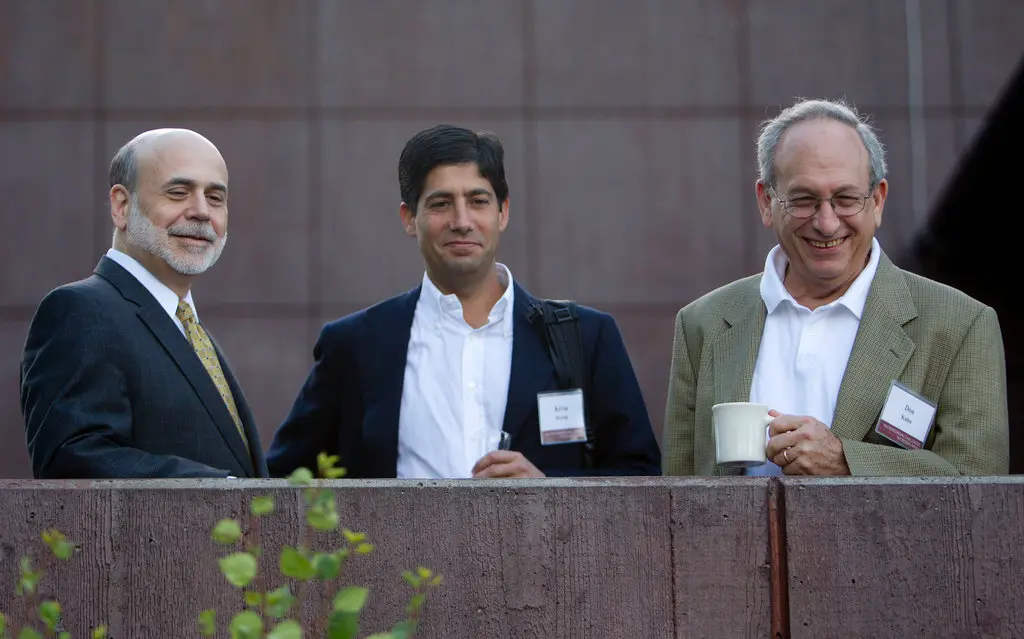
In the spring of 2008, as Bear Stearns crumbled and panic metastasized across the financial system, one man quietly moved between crisis calls with Ben Bernanke (then head of the U.S. Federal Reserve) and after-hours meetings with Wall Street’s top brass. He wasn’t the loudest voice in the room. But he was always in the room.
Kevin Warsh — then the youngest-ever Federal Reserve governor — wasn’t just helping manage the meltdown. He was translating chaos for the White House, articulating Wall Street’s needs into policy language, and keeping the Fed’s levers from locking up.
Seventeen years later, he might soon be sitting at the Fed’s helm.
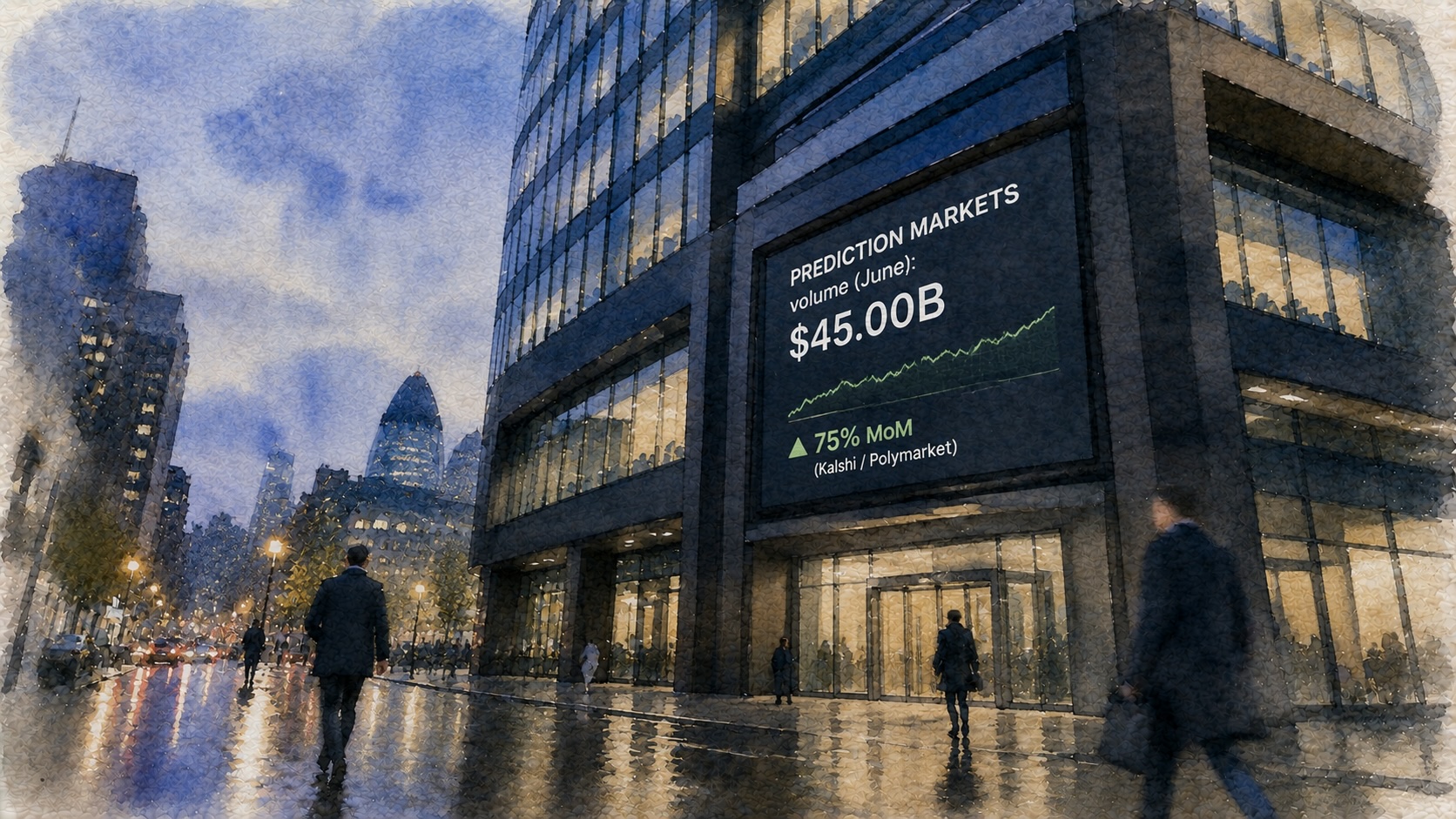
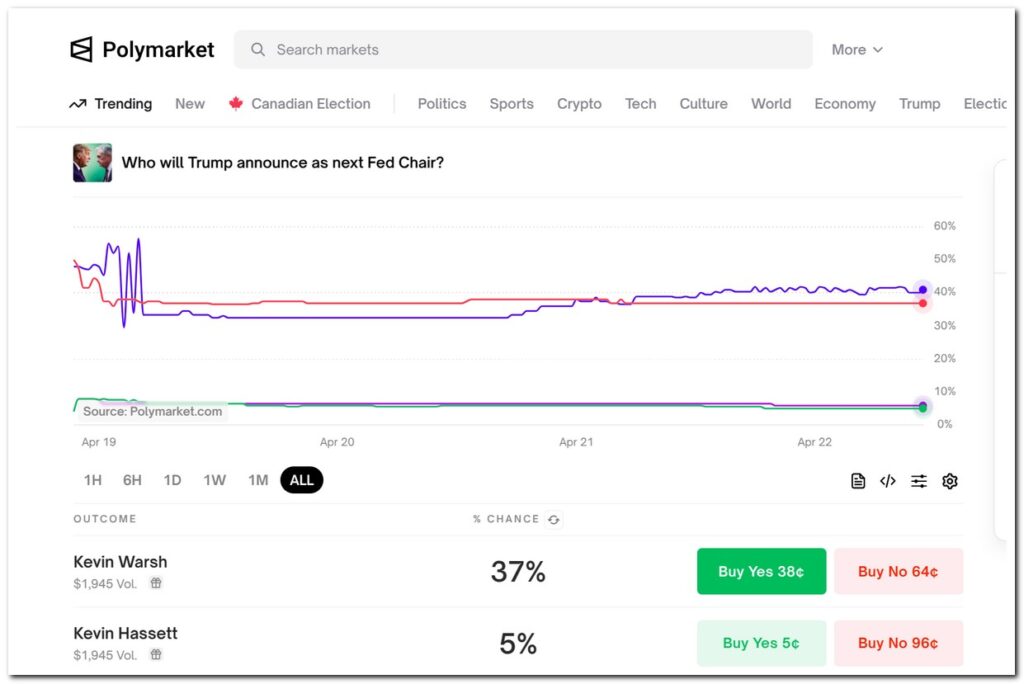
With President Trump making open war on Jerome Powell, Warsh is now the betting market’s favorite to take the central bank’s top job. He met with Trump at Mar-a-Lago. He’s on every shortlist. And unlike 2017, when Powell edged him out, this time, he may be the undisputed front-runner.
But who is Kevin Warsh really? What does he believe? And what would it mean to have a Fed chair who’s fluent in both crisis and crypto — and married into one of America’s oldest fortunes?
Let’s rewind.
The Insider’s Insider
Born in upstate New York in 1970, Warsh didn’t follow the classic central banker path. He didn’t earn a PhD in economics. He studied public policy at Stanford, earned a JD from Harvard, and took business courses at MIT Sloan. By 25, he was climbing through the ranks at Morgan Stanley’s M&A desk.
Seven years later, George W. Bush tapped him for the White House National Economic Council. By 2006, he was Fed-bound — at 35, the youngest governor in its history.
Critics scoffed at his inexperience. But Ben Bernanke — then Fed Chair and the architect of the central bank’s crisis-era playbook — saw something sharper:
Kevin’s political and market savvy and many contacts on Wall Street would prove to be invaluable,
he later wrote.
Warsh became the Fed’s key link to the financial industry. He was the crisis conduit, the person who could walk from the West Wing to Wall Street and speak both dialects fluently.
And when the world cracked open in 2008, Warsh was in the engine room.
Crisis, Control, and the Missed Shot
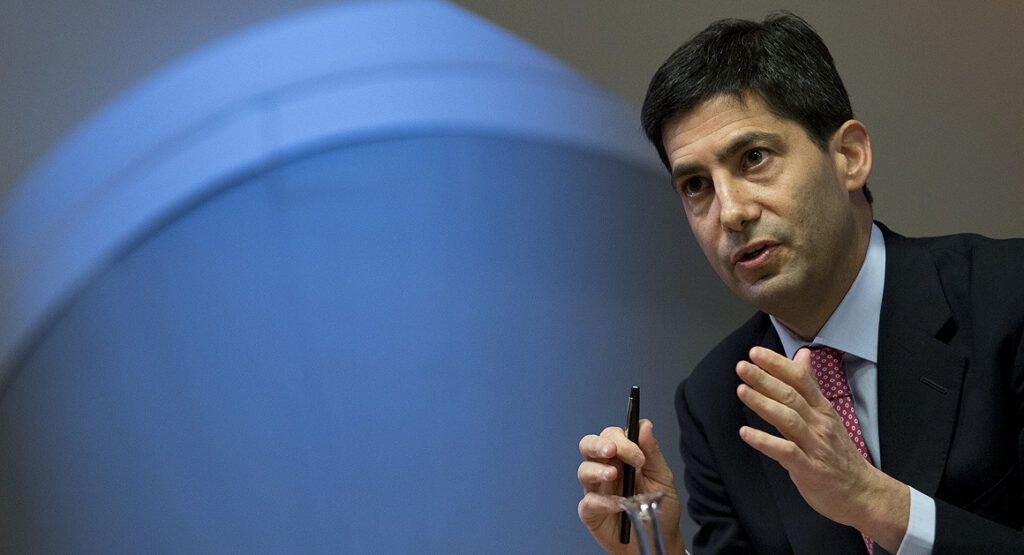
During the worst days of the Great Recession, Warsh tried to stitch mergers between wounded banks. He worked behind the scenes to salvage Morgan Stanley, his former employer. And as Bernanke’s close confidant, he helped draft the Fed’s earliest ideas on financial reform.
But Warsh also saw the fire through a hawk’s lens.
While markets crumbled, he remained fixated on inflation.
There are reasons to believe our inflation problems will become more pronounced,
he warned — even as deflation loomed.
By 2010, with unemployment near 10%, Warsh became one of the Fed’s loudest skeptics of its second round of quantitative easing—known as QE2, a policy of buying long-term bonds to spur growth. He voted for it — out of deference to Bernanke — but then published an op-ed slamming the move, arguing that the Fed was “misallocating capital” and that fiscal policy, not monetary easing, should carry the burden.
Three months later, he resigned.
To some, he left as a principled critic. To others, as a technocrat who failed to evolve with the crisis.
Related: Will There Be a Recession in 2025? Markets, Data, and Trump’s Tariffs
The Billionaire Next Door
After leaving the Fed, Warsh returned to academia — but not obscurity.
He became a fellow at the Hoover Institution, taught at Stanford Business School, and joined the boards of companies like UPS and Rubicon. His speaking gigs and op-eds kept him in the public finance conversation. His marriage kept him in a different kind of spotlight.
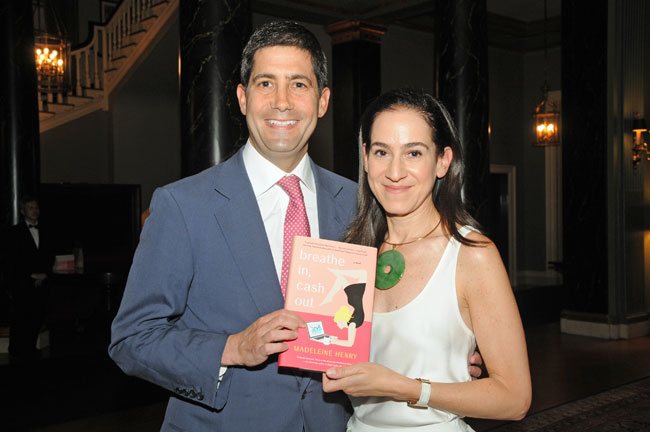
In 2002, Warsh married Jane Lauder — granddaughter of Estée Lauder and heir to a cosmetics fortune estimated by Forbes at $2 billion. Together, they live in Manhattan. She runs Clinique. He lectures on macroprudence.
It’s a power pairing of Wall Street and Fifth Avenue. But don’t let the branding fool you: Warsh has kept one foot in Washington this whole time.
Warsh and Crypto: A Pragmatic Approach
In contrast to many of his contemporaries in central banking, Warsh demonstrates a nuanced understanding of cryptocurrency.
His investments in digital asset platforms such as Bitwise and Basis, coupled with his 2022 assessment of cryptocurrency's ‘promise and peril' for the dollar, and his public advocacy for a U.S. digital currency to counter China's CBDC, illustrate his proactive approach.
This perspective aligns him more closely with Bitcoin-native thinkers than many of his Fed peers, and prompts critical questions about the potential direction of a Warsh-led Fed in an era of surging stablecoins and programmable sovereign currencies.
He may not be a crypto evangelist. But he’s not a skeptic either. He sees the stakes — and the shift.
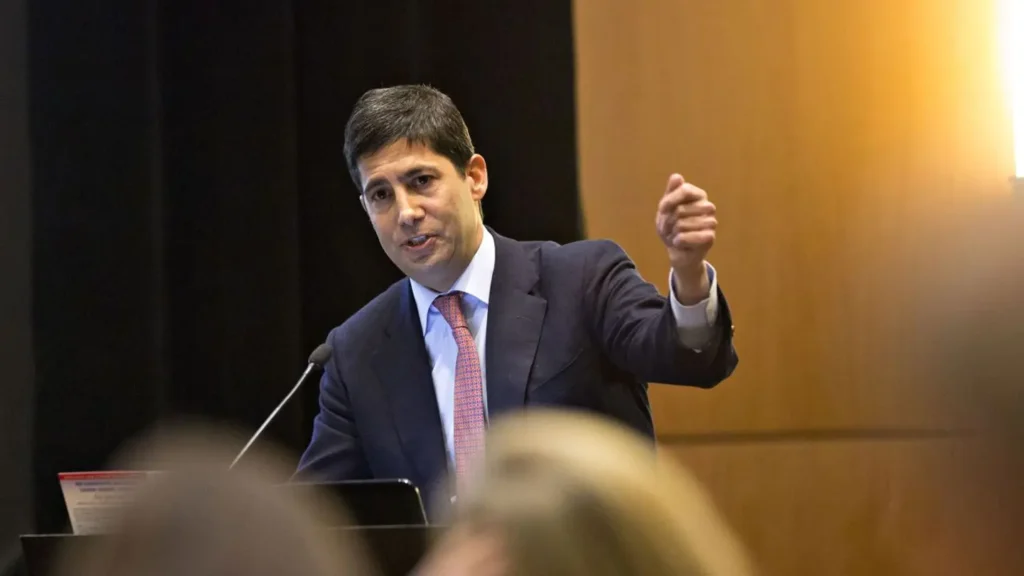
Trump, Powell, and Warsh: A Power Play at the Federal Reserve
Warsh’s name resurfaced prominently in headlines this spring.
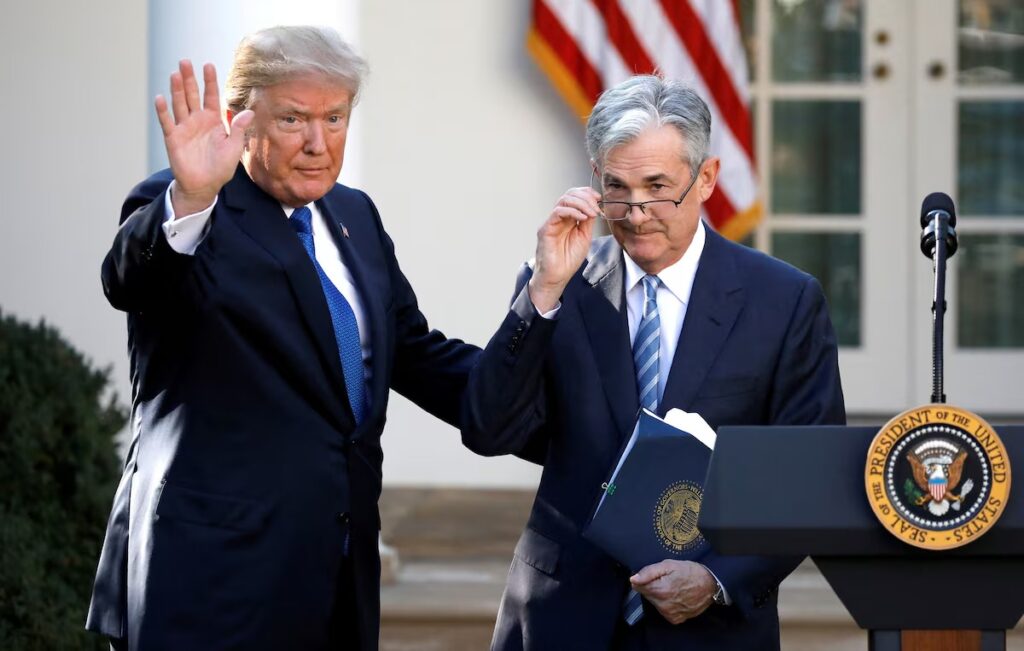
Since retaking office, Trump has repeatedly bashed Jerome Powell, calling him “always too late and wrong.” He claims he has the authority to fire Powell before his term ends in 2026 — a move many legal scholars question.
But if Powell goes, someone has to replace him. And Warsh is the name on Trump’s lips.
They’ve spoken multiple times. Warsh has reportedly urged restraint, advising the president to wait until Powell’s term expires. But the signal is clear: Warsh is willing. And Trump might be impatient.
Wall Street is watching — and so is every central bank in the world.
Potential Policies Under a Warsh Federal Reserve
If Warsh does take the reins, what should markets expect?
For one, a return to monetary orthodoxy. Warsh is a hawk. He blames recent inflation on “excessive money printing” and “irresponsible government spending.” He has little patience for dovish delay.
Secondly, a realignment of the Fed's political stance is probable. Warsh's belief that the central bank has become overly partisan aligns with Trump's own criticisms.
Thirdly, a potential acceleration in the development of a U.S. digital currency is possible. Given China's e-CNY advancements and the regulatory scrutiny of U.S. stablecoins, Warsh, unusually for a Republican, might advocate for CBDCs as a strategic defense.
Still, there are open questions.
Would Warsh move too fast to tighten? Would he fight inflation at the expense of growth? Could he work with Democrats in a divided Washington? And does he even want the job — or is he just a name Trump likes to float?
A Second Chance for Warsh?
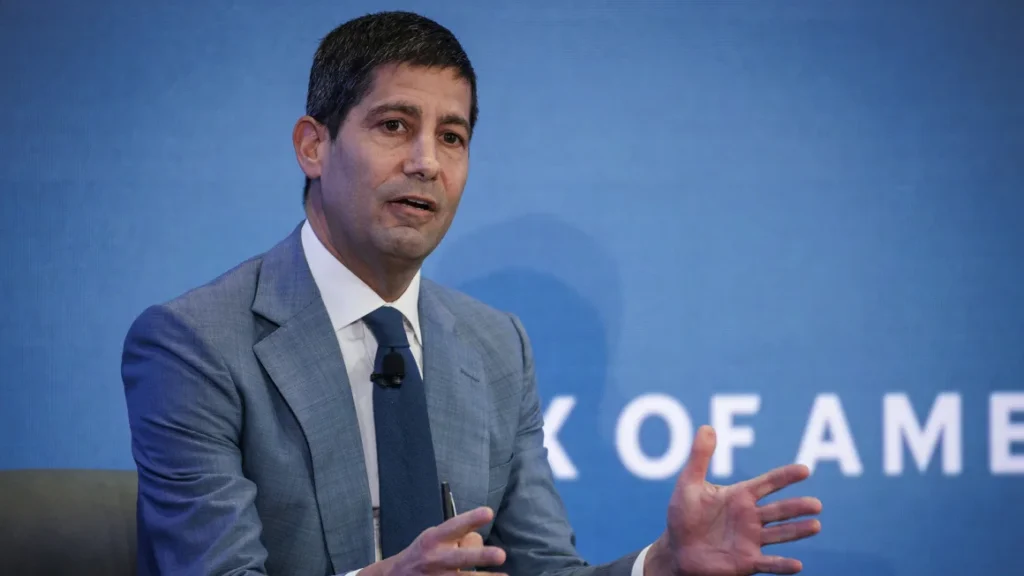
Kevin Warsh has already been here once before. In 2017, he was on the brink of the Fed chairmanship. But Trump chose Powell instead.
Eight years later, the calculus has changed — for Trump, for the Fed, and for Warsh himself.
The man who once guarded the system from collapse might now be asked to reshape it entirely. In a time of digital transformation, political division, and economic recalibration, that’s no small task.
But if the betting markets are right — and if Trump follows through — Warsh’s second chance may come faster than anyone expected.
And this time, he might not blink.
The content on The Coinomist is for informational purposes only and should not be interpreted as financial advice. While we strive to provide accurate and up-to-date information, we do not guarantee the accuracy, completeness, or reliability of any content. Neither we accept liability for any errors or omissions in the information provided or for any financial losses incurred as a result of relying on this information. Actions based on this content are at your own risk. Always do your own research and consult a professional. See our Terms, Privacy Policy, and Disclaimers for more details.
Articles by this author