U.S. seizes nearly $1 billion in Iran-linked crypto
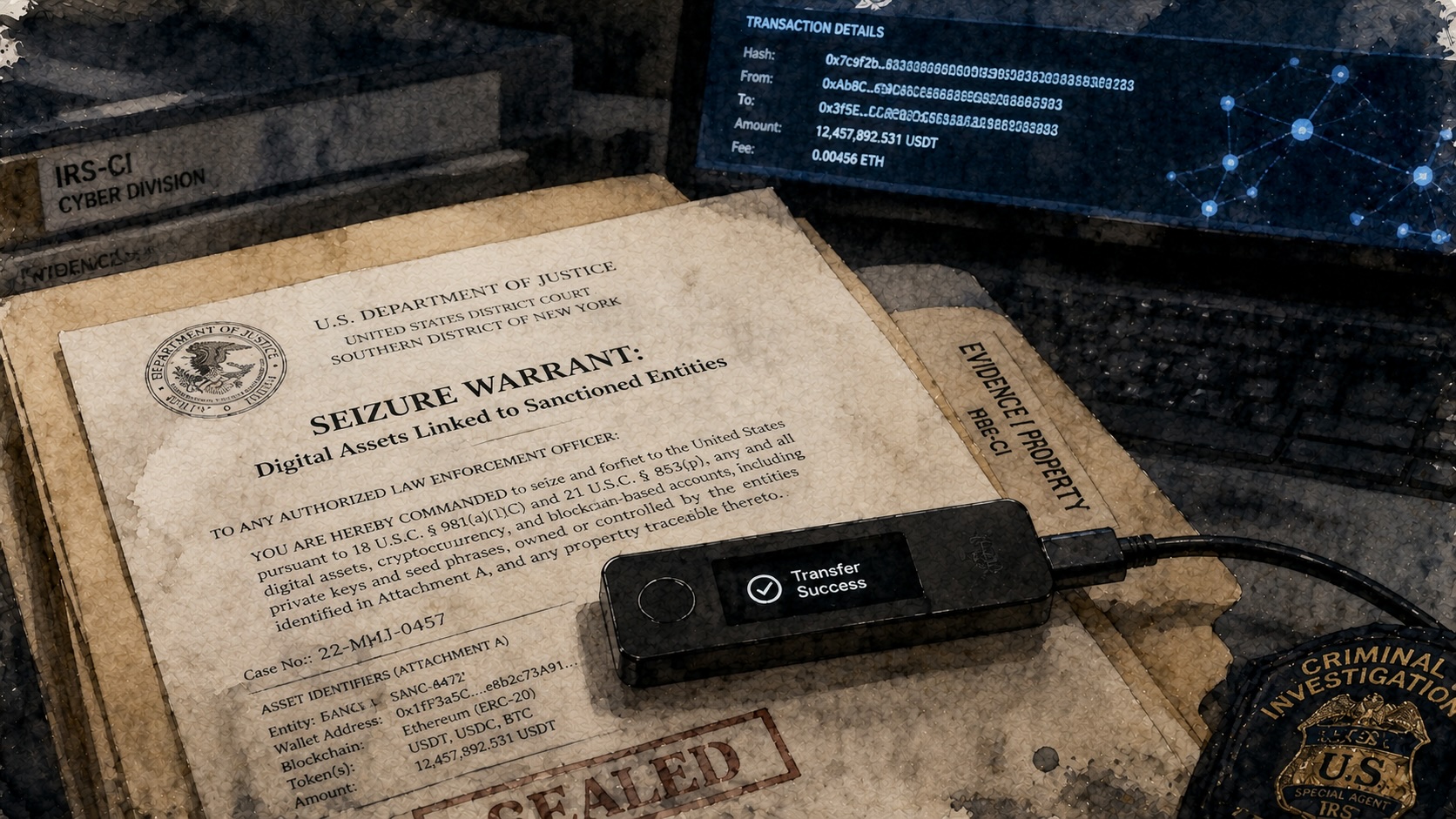
U.S. authorities seized just under $1 billion in cryptocurrency tied to Iranian entities in a coordinated enforcement operation, Treasury official Bessent announced.
U.S. authorities seized nearly $1 billion in cryptocurrency linked to Iranian entities, a Treasury official said, in one of the largest recoveries of digital assets tied to the country. The assets were traced to wallets associated with Iranian organizations and were taken into custody after coordinated legal steps.
The operation involved U.S. law enforcement agencies, financial regulators, international partners and private blockchain analytics firms. Investigators identified transfers across multiple virtual currency wallets and services that had been used to move and obscure funds. Court-authorized actions were then used to freeze and take control of assets on public blockchains and through cooperating intermediaries.
Authorities reported that the holdings were moved in patterns consistent with efforts to evade U.S. sanctions and to finance networks aligned with Tehran. Investigators followed transaction flows across many addresses, used clustering techniques to link related accounts and obtained judicial orders to seize specific wallet balances. The enforcement targeted both on-chain accounts and accounts held at virtual asset service providers that complied after receiving legal process.
The seizure totals just under $1 billion in value at the time of action and is now subject to federal forfeiture proceedings. Prosecutors intend to seek a court finding that the funds are proceeds of unlawful activity or were used to facilitate sanctions evasion. The government will then ask for disposal of the assets under U.S. law. Officials did not provide a timeline for the court process or identify any criminal charges tied to the transfers.
Authorities said the operation relied on improved cryptocurrency tracing tools and formal information-sharing with foreign governments and private sector partners. The team noted that some funds passed through mixing services and decentralized platforms before reaching final addresses, which complicated tracing. Persistent blockchain analysis, ledger clustering and transactional subpoenas helped investigators untangle those layers. Several virtual asset firms preserved records and, where legally authorized, provided account information to investigators.
Treasury and Justice Department officials described the action as part of ongoing efforts to prevent sanctioned actors from using digital assets to finance prohibited activities. In recent years, U.S. agencies have used financial sanctions, criminal forfeiture and international cooperation to target illicit finance that leverages cryptocurrencies.
Legal practitioners say forfeiture cases involving crypto present challenges because of price volatility and technical issues proving control over decentralized assets. If a court grants forfeiture, the government typically converts the assets into U.S. dollars and disposes of them according to statutory rules, which can include restitution to victims or transfer to government forfeiture accounts.
The content on The Coinomist is for informational purposes only and should not be interpreted as financial advice. While we strive to provide accurate and up-to-date information, we do not guarantee the accuracy, completeness, or reliability of any content. Neither we accept liability for any errors or omissions in the information provided or for any financial losses incurred as a result of relying on this information. Actions based on this content are at your own risk. Always do your own research and consult a professional. See our Terms, Privacy Policy, and Disclaimers for more details.
Articles by this author