U.S. opens Section 301 probes into 16 trading partners after court ruling

USTR launches Section 301(b) investigations into 16 economies to assess manufacturing overcapacity after the Supreme Court struck down IEEPA tariffs; measures could include new tariffs or fees.
The United States on Wednesday opened Section 301(b) investigations into 16 trading partners to review alleged manufacturing overcapacity, following a Supreme Court decision that invalidated tariffs imposed under the International Emergency Economic Powers Act. The process could result in tariffs, service fees, or other actions.
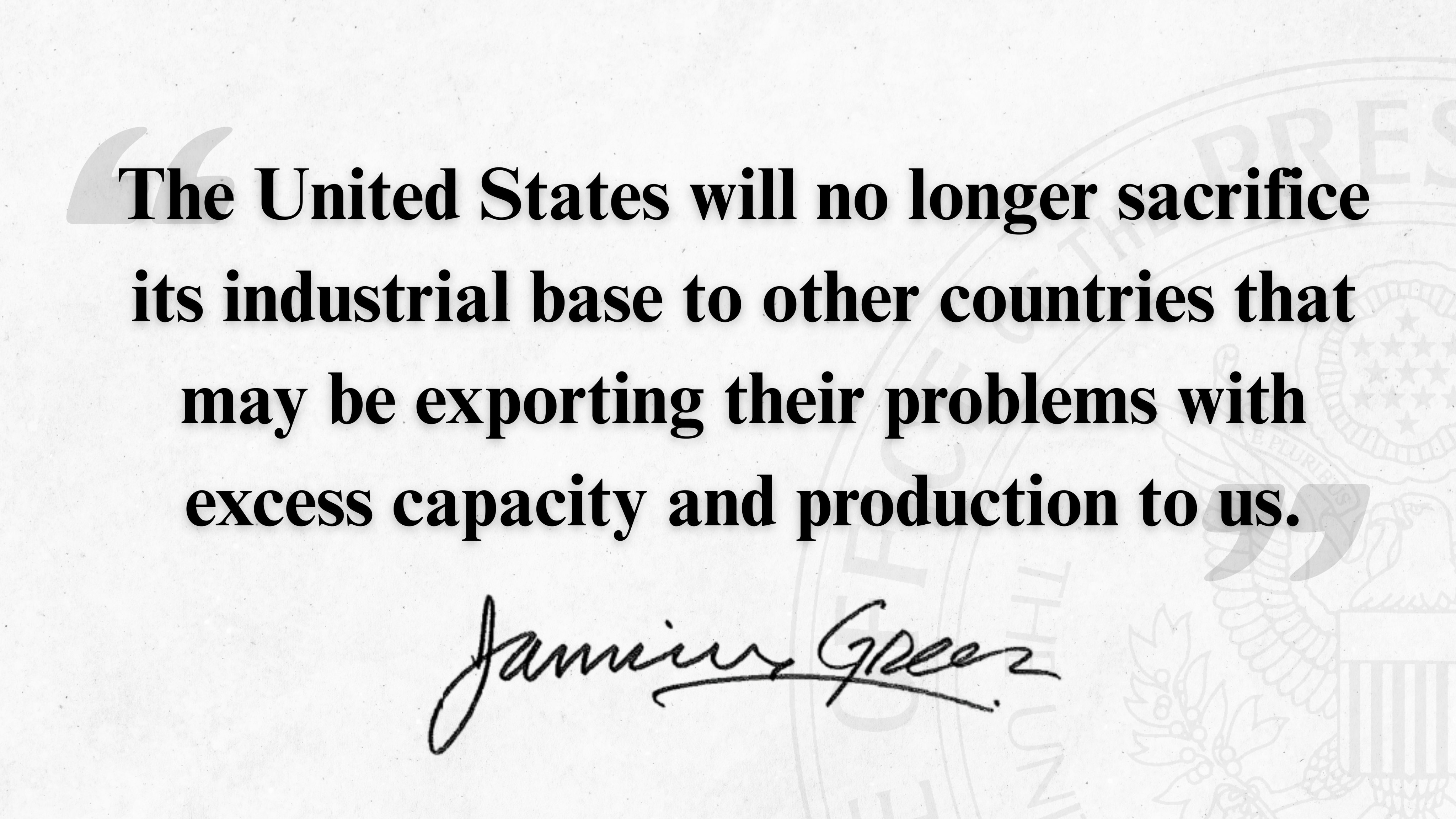
U.S. Trade Representative Jamieson Greer outlined that the reviews will focus on “acts, policies, and practices of certain economies concerning structural excess capacity and production in manufacturing sectors” and will evaluate whether they burden or restrict U.S. commerce. Findings will be presented at the end of the review, with potential recommendations to follow.
The inquiries cover China, Mexico, the European Union, Japan, India, Taiwan, Vietnam, South Korea, Singapore, Switzerland, Norway, Indonesia, Malaysia, Cambodia, Bangladesh, and Thailand.
Section 301 of the Trade Act of 1974 authorizes trade remedies against countries found to engage in unfair practices. The 301(b) process allows the government to examine foreign policies and practices that may harm U.S. industries and propose responses.
The trade actions follow the Court’s ruling against use of IEEPA for tariffs. In recent weeks, the administration has relied on authorities enacted by Congress to reassess options targeted at manufacturing sectors where officials cite excess capacity abroad.
Earlier this month, Treasury Secretary Scott Bessent announced an increase in global tariff rates to 15% and indicated rates would return to prior levels within five months. At the same time, 24 Democratic-led states filed a lawsuit challenging a new 10% tariff imposed under Section 122 of the Trade Act of 1974, arguing the measure exceeds executive authority.
An analysis by the Committee for a Responsible Federal Budget estimated that the new tariff framework intended to replace revenue from the IEEPA levies would recover only part of prior collections and could leave a projected $1.7 trillion shortfall over the next decade.
Greer did not provide a specific timeline for the Section 301(b) reviews. Upon completion, the administration plans to release its conclusions and consider actions “including tariffs, service fees, or other actions.”
The content on The Coinomist is for informational purposes only and should not be interpreted as financial advice. While we strive to provide accurate and up-to-date information, we do not guarantee the accuracy, completeness, or reliability of any content. Neither we accept liability for any errors or omissions in the information provided or for any financial losses incurred as a result of relying on this information. Actions based on this content are at your own risk. Always do your own research and consult a professional. See our Terms, Privacy Policy, and Disclaimers for more details.
Articles by this author