U.S. existing-home sales fall to 3.98M in March

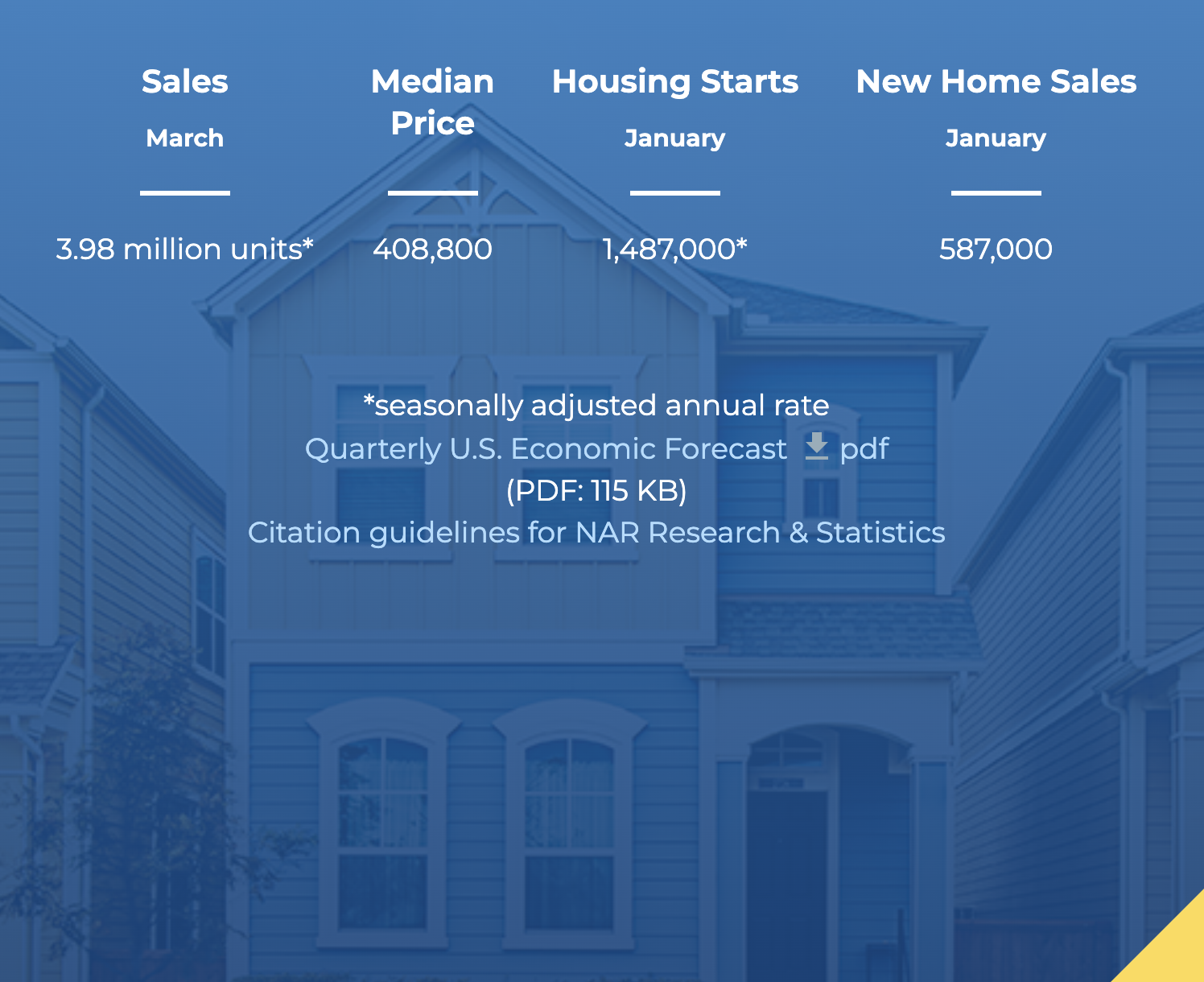
U.S. existing-home sales dropped to a 3.98 million annual pace in March, below the 4.06 million forecast, the National Association of Realtors reported.
U.S. existing-home sales slipped to a 3.98 million annualized pace in March, down from February’s 4.09 million and below the 4.06 million forecast, the National Association of Realtors reported.
The association’s existing-home sales series measures annualized closings of previously owned single-family homes, townhomes, condominiums and co-ops using multiple listing service closing data. Closings typically lag contract signings by 30 to 60 days, so the report reflects buying decisions made one to two months earlier.
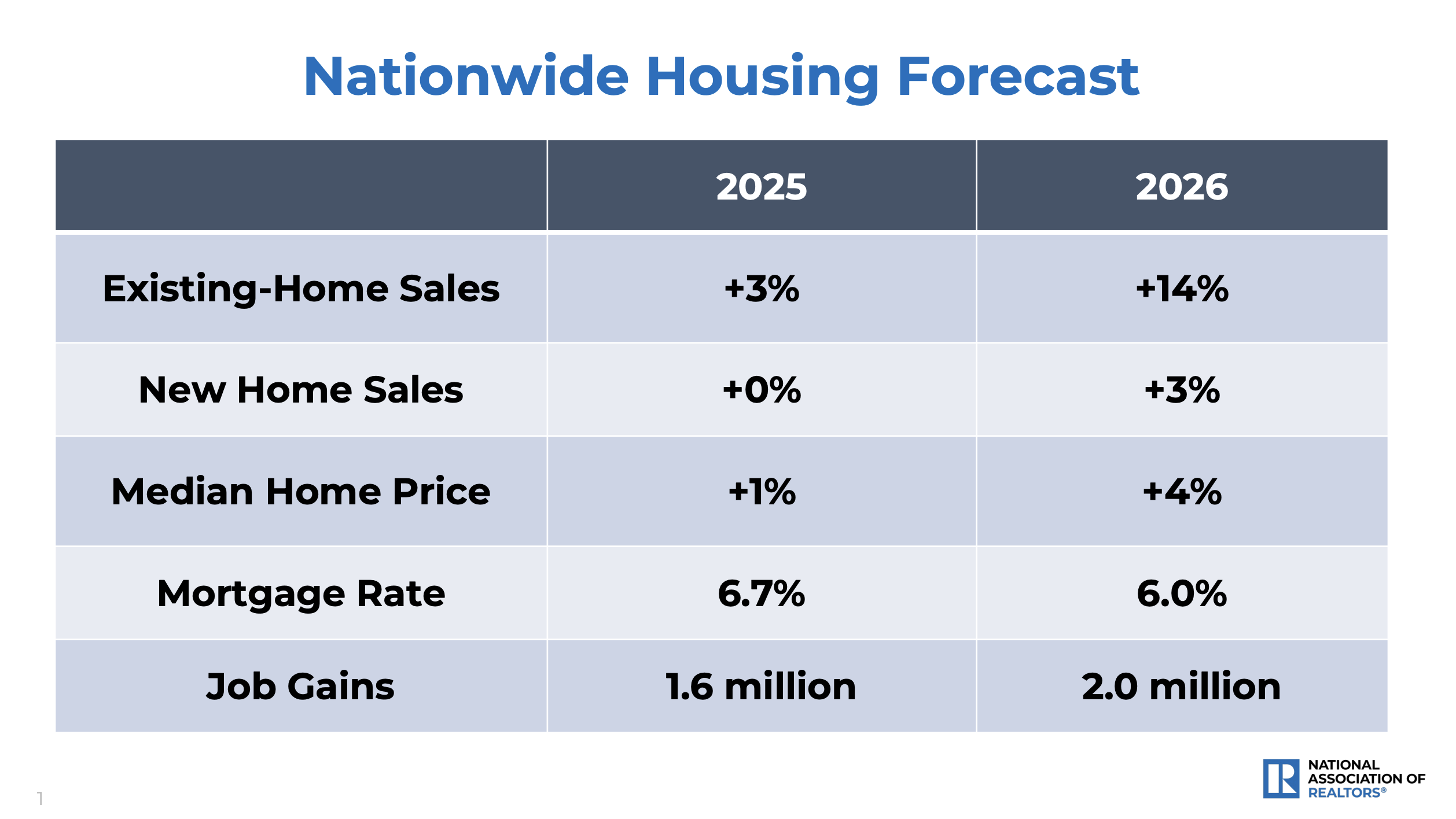
The resale market spent much of 2025 constrained by elevated mortgage rates and a “lock-in” effect as homeowners with sub-4% pandemic-era mortgages deferred listings. Activity improved modestly in the second half of 2025, with sales rising 5.1% in December to a 4.35 million annual pace, the highest level in nearly three years.
January initially showed a steep drop to a 3.91 million pace (down 8.4%) and was later revised to a 4.02 million pace (a 5.9% decline). February rebounded, rising 1.7% to a 4.09 million annual rate; three of four Census regions recorded gains, led by an 8.2% increase in the West, while the Northeast fell 6.0%.
Additional March details included a median existing-home price of $408,800, up 1.4% from a year earlier. Inventory was about 4.1 months of supply. The National Association of Realtors’ Housing Affordability Index climbed to 117.6, the highest reading since March 2022.
First-time buyers accounted for roughly 34% of transactions in March, short of the roughly 40% share often associated with typical entry-level participation. Inventory constraints related to the lock-in effect continued to limit choices for buyers.
The association noted the near-term trend in closings will depend on whether improved affordability encourages more homeowners to list and on movements in mortgage rates and other economic signals, including inflation and long-term Treasury yields.
The content on The Coinomist is for informational purposes only and should not be interpreted as financial advice. While we strive to provide accurate and up-to-date information, we do not guarantee the accuracy, completeness, or reliability of any content. Neither we accept liability for any errors or omissions in the information provided or for any financial losses incurred as a result of relying on this information. Actions based on this content are at your own risk. Always do your own research and consult a professional. See our Terms, Privacy Policy, and Disclaimers for more details.
Articles by this author