U.S. April CPI 3.8% сrushes Fed cut bets, chips slip
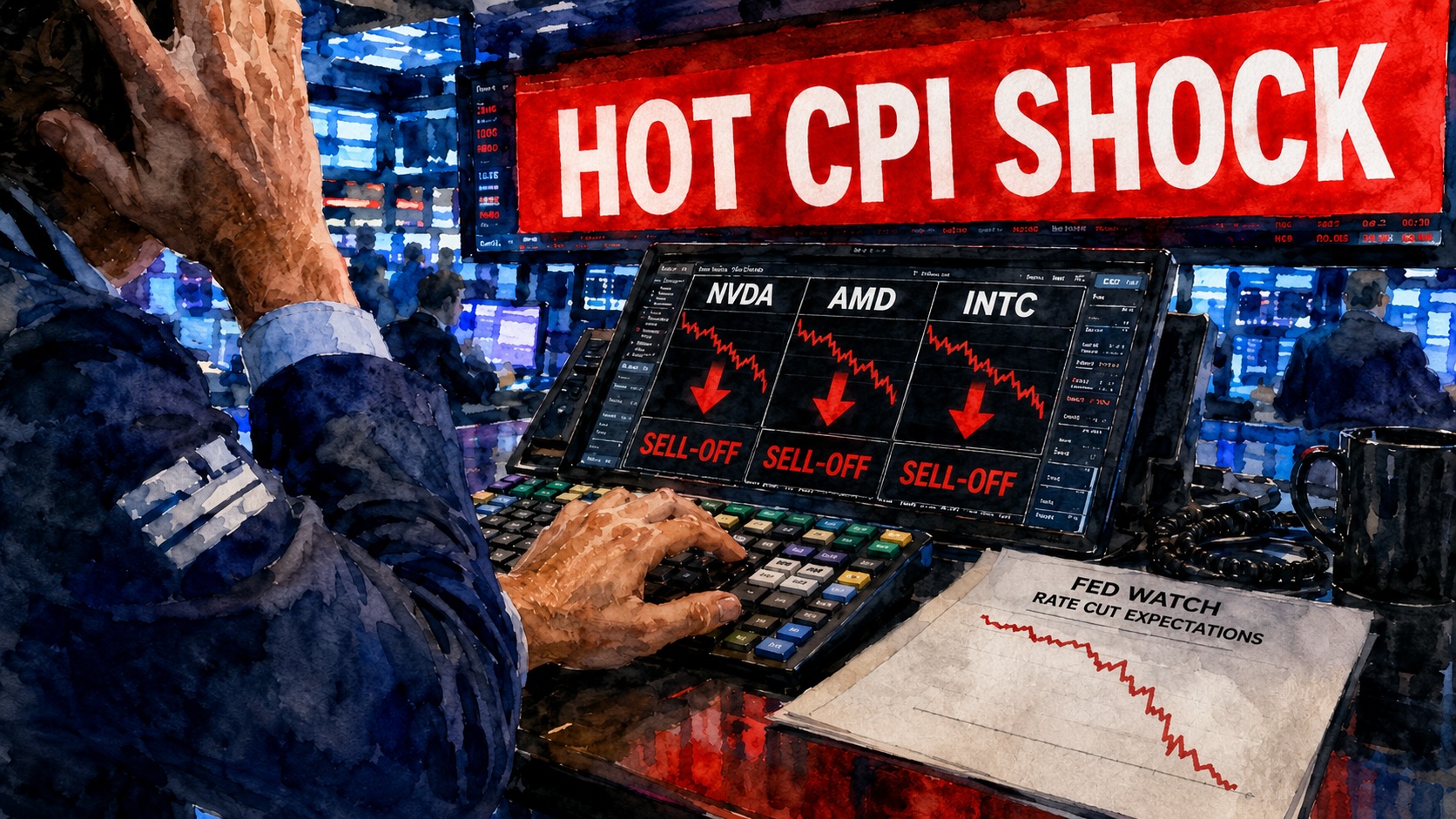
U.S. consumer prices rose 3.8% year-on-year in April; core CPI was 2.8%. Market bets on Fed cuts were removed and semiconductor stocks fell, led by Qualcomm and Intel.
U.S. consumer prices rose 3.8% year-on-year in April, the Labor Department reported, the largest annual increase in three years. Core CPI, which excludes food and energy, rose 2.8% year-on-year. The report showed real wage growth turned negative for the first time since 2023.
Futures markets pared expectations for Federal Reserve rate cuts after the data. Pricing on the CME FedWatch tool moved to reflect a higher probability of tighter policy this year rather than easing.
Equity markets moved after the release. The S&P 500 fell 0.2% and the Nasdaq 100 dropped 0.9%. The Philadelphia Semiconductor Index declined about 3% after a roughly 70% rally over the prior six weeks. Qualcomm fell about 11.5% and Intel declined roughly 7%. The Dow rose 0.1% and the U.S. healthcare sector outperformed.
U.S. Treasury yields rose around five basis points across the curve following the hotter inflation reading. Market participants noted a weak 10-year note auction characterized by a low bid-to-cover ratio. Long-term U.K. government bond yields reached levels not seen since 1998 amid domestic political concerns.
The dollar strengthened versus major currencies. USD/JPY climbed toward a prior Japanese authorities’ intervention threshold near 157.90, with traders noting resistance near 158.10 and immediate support near 156.50. U.S. and Japanese officials, including Bessent, issued a joint statement saying excessive foreign-exchange volatility is undesirable.
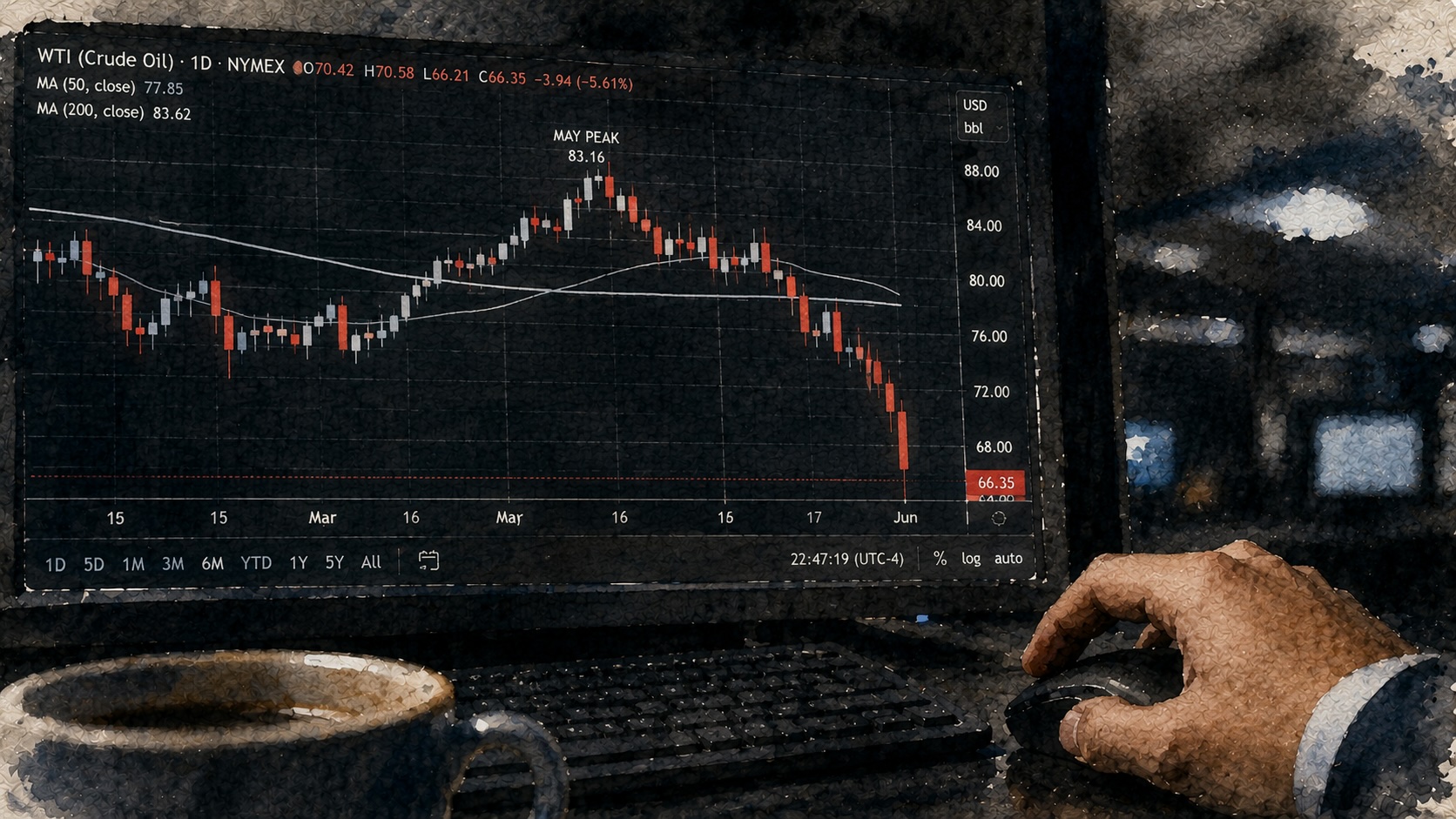
Oil prices rose after U.S. President Donald Trump said the U.S.-Iran ceasefire was on “life support.” West Texas Intermediate futures gained about 4% to trade back above $100 a barrel, while Brent crude rose to about $107.70.
Asian markets reacted to higher U.S. inflation and rising yields. Japan posted a small gain, while markets outside Japan fell. South Korea’s KOSPI declined about 2% and the Korean won slid about 1% against the dollar. Investors cited upcoming events, including a planned U.S.-China summit in Beijing, as points of focus for trade and technology policy.
Corporate developments also affected trading. AI company Anthropic updated rules on share transfers ahead of a planned initial public offering, raising questions about ownership rights. Market analysts noted a rapid run-up in AI-related stocks and semiconductors before the pullback, which coincided with the return of macroeconomic risks.
The April CPI report coincided with higher bond yields and declines in cyclical and technology shares as markets adjusted positions. Traders removed expectations of Fed cuts for the year and priced in the possibility of tighter policy instead.
The content on The Coinomist is for informational purposes only and should not be interpreted as financial advice. While we strive to provide accurate and up-to-date information, we do not guarantee the accuracy, completeness, or reliability of any content. Neither we accept liability for any errors or omissions in the information provided or for any financial losses incurred as a result of relying on this information. Actions based on this content are at your own risk. Always do your own research and consult a professional. See our Terms, Privacy Policy, and Disclaimers for more details.
Articles by this author