Trump ramps up pressure as US, Iran meet in Islamabad
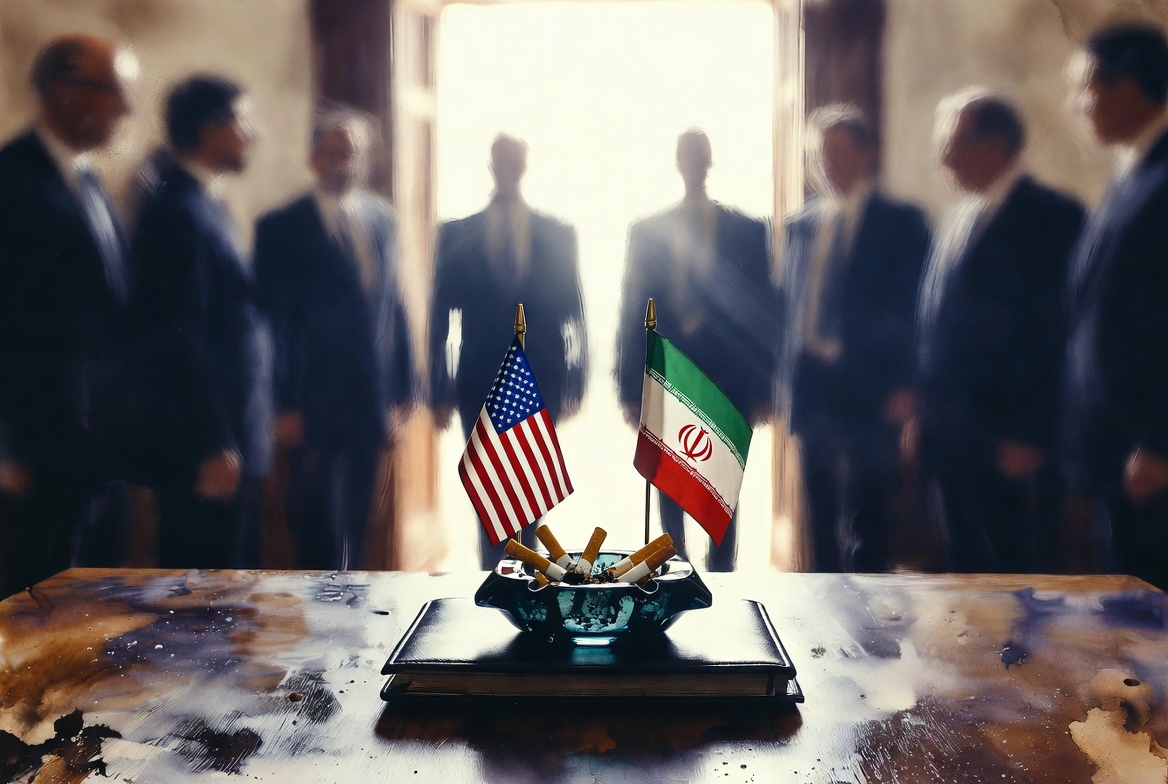
Trump increases pressure as U.S. and Iranian delegations meet in Islamabad to seek a longer truce; the Strait of Hormuz remains largely closed and oil markets under strain.
President Donald Trump intensified pressure on Iran as U.S. and Iranian delegations met in Islamabad on Friday to try to convert a two-week ceasefire into a longer truce. The U.S. delegation is led by Vice President JD Vance. Iran’s team was expected to be headed by Parliament Speaker Mohammad-Bagher Ghalibaf and Foreign Minister Abbas Araghchi. The Strait of Hormuz remains largely closed.
Trump posted on social media that Tehran’s main leverage was “short term extortion of the world by using International Waterways” and added that the Iranians “have no cards.” Before departing, he wrote that U.S. warships were being reloaded with “the best ammunition” and that the outcome of the talks would be clear “in about 24 hours.”
Vance, heading the American team, said he had “clear guidelines” from Trump and warned Tehran not to underestimate Washington.
Iran set out conditions for the talks. Ghalibaf said a ceasefire in Lebanon must be in place before negotiations proceed and called for the release of Iranian assets frozen abroad. Mojtaba Khamenei wrote on Telegram that Tehran would take management of the Strait of Hormuz “to a new stage.” Iran has also requested war reparations.
Before the conflict about one-fifth of global oil and liquefied natural gas shipments passed through the Strait of Hormuz. Since the ceasefire began, shipping through the strait has been sparse as shipowners delay resuming regular voyages until the waterway’s status is clearer. A Russian-flagged supertanker transited late Thursday; such passages have been rare. U.S. crude has traded near $99 a barrel amid market volatility.
Violence in Lebanon continued to affect the talks. Israeli forces struck towns in southern Lebanon and Hezbollah launched drones and rockets toward Israeli territory. Israeli officials reported several injuries. Trump said Prime Minister Benjamin Netanyahu agreed by phone to keep operations in Lebanon “low-key.” Netanyahu has described Israel’s Lebanon operations as separate from the U.S.-Iran ceasefire arrangement. Israel plans direct talks with Lebanon on disarming Hezbollah, with the United States expected to host a meeting next week. Hezbollah Secretary-General Naim Qasem declared the group’s “resistance will continue until its last breath.”
Reported deaths across the region exceed 5,500: more than 3,600 in Iran and about 1,700 in Lebanon. Israel reported roughly three dozen deaths and says it has killed more than 1,400 Hezbollah fighters. U.S. Central Command reports 13 American service members killed. Kuwait’s Foreign Ministry reported fresh overnight attacks attributed to Iran and its proxies.
U.S. negotiators are pressing for unhindered shipping through the Strait of Hormuz alongside continued military pressure. Iran is seeking political concessions, financial relief and broader regional guarantees related to Lebanon. Talks in Islamabad continued as delegations worked to convert the ceasefire into a longer truce while the strait remained largely closed and oil markets stayed under strain.
The content on The Coinomist is for informational purposes only and should not be interpreted as financial advice. While we strive to provide accurate and up-to-date information, we do not guarantee the accuracy, completeness, or reliability of any content. Neither we accept liability for any errors or omissions in the information provided or for any financial losses incurred as a result of relying on this information. Actions based on this content are at your own risk. Always do your own research and consult a professional. See our Terms, Privacy Policy, and Disclaimers for more details.
Tags
Articles by this author