Tokenized Pokémon TCG market nears record volume in 2026
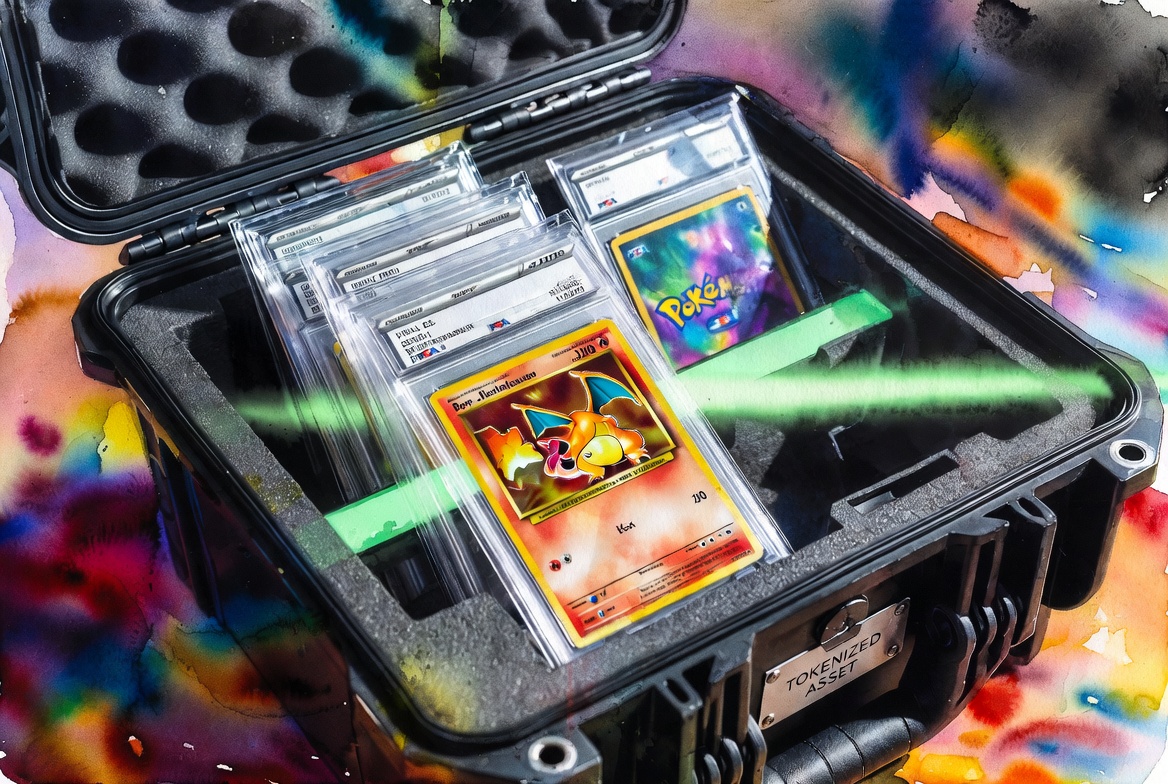
Marketplaces trading tokenized Pokémon Trading Card Game assets approached prior peaks in 2026 as demand for rare and graded tokenized cards kept activity high.
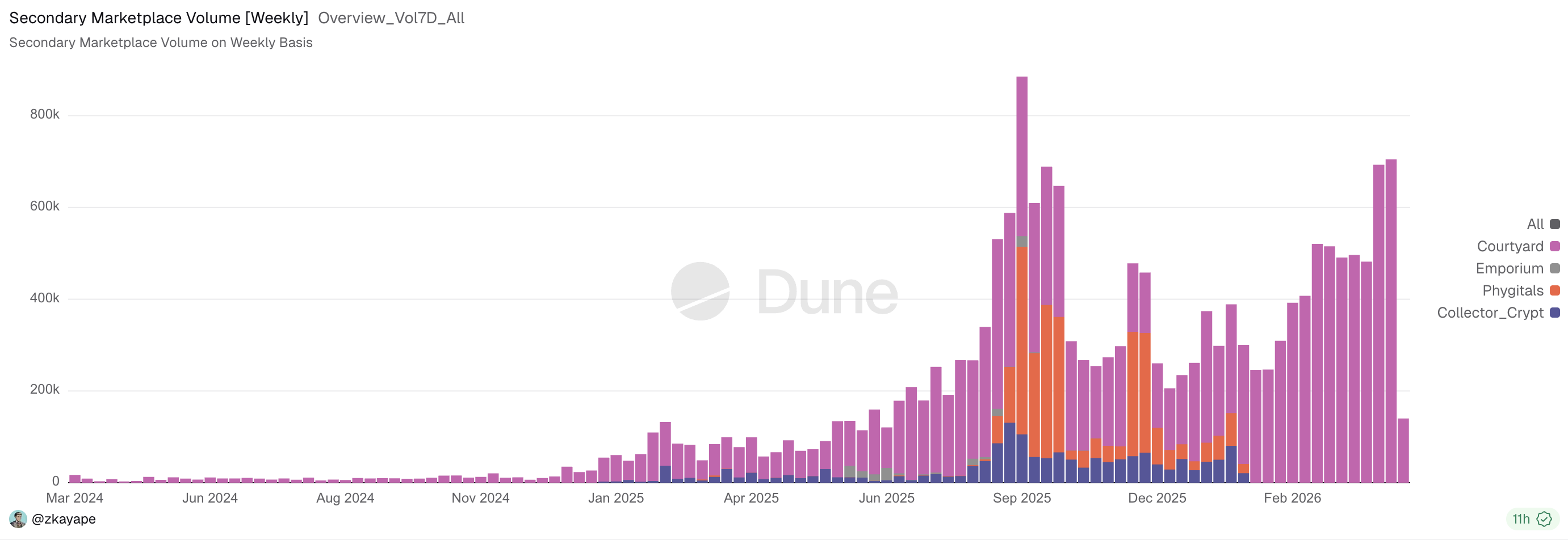
Marketplaces for tokenized Pokémon Trading Card Game assets nearly reached record trading volumes in 2026. Activity occurred on specialized trading platforms and broader NFT marketplaces.
Trading picked up early in the year and remained elevated through multiple product drops and weekly secondary trades. Collectors and speculators bought and sold digitized versions of physical cards and native digital cards that mirror the Pokémon TCG ecosystem.
Volume spikes coincided with releases tied to notable anniversaries and with renewed interest in vintage cards that had been tokenized and fractionalized to allow broader ownership.
Trades took place on established NFT platforms that expanded collectible categories and on smaller exchanges focused on card tokenization and custodial services. Sellers used token standards that include provenance metadata and simpler transfer mechanics. Several platforms provided on-chain verification of grading certificates and escrowed custody that allowed token holders to redeem tokens for a physical card under certain conditions.
Fractional ownership tools enabled smaller investors to buy shares of high-value tokenized cards rather than entire cards. Improved interoperability between marketplaces and wallets made cross-platform listings and transfers more common. Token metadata often linked to independent grading firm records, which market participants cited when assessing provenance and condition.
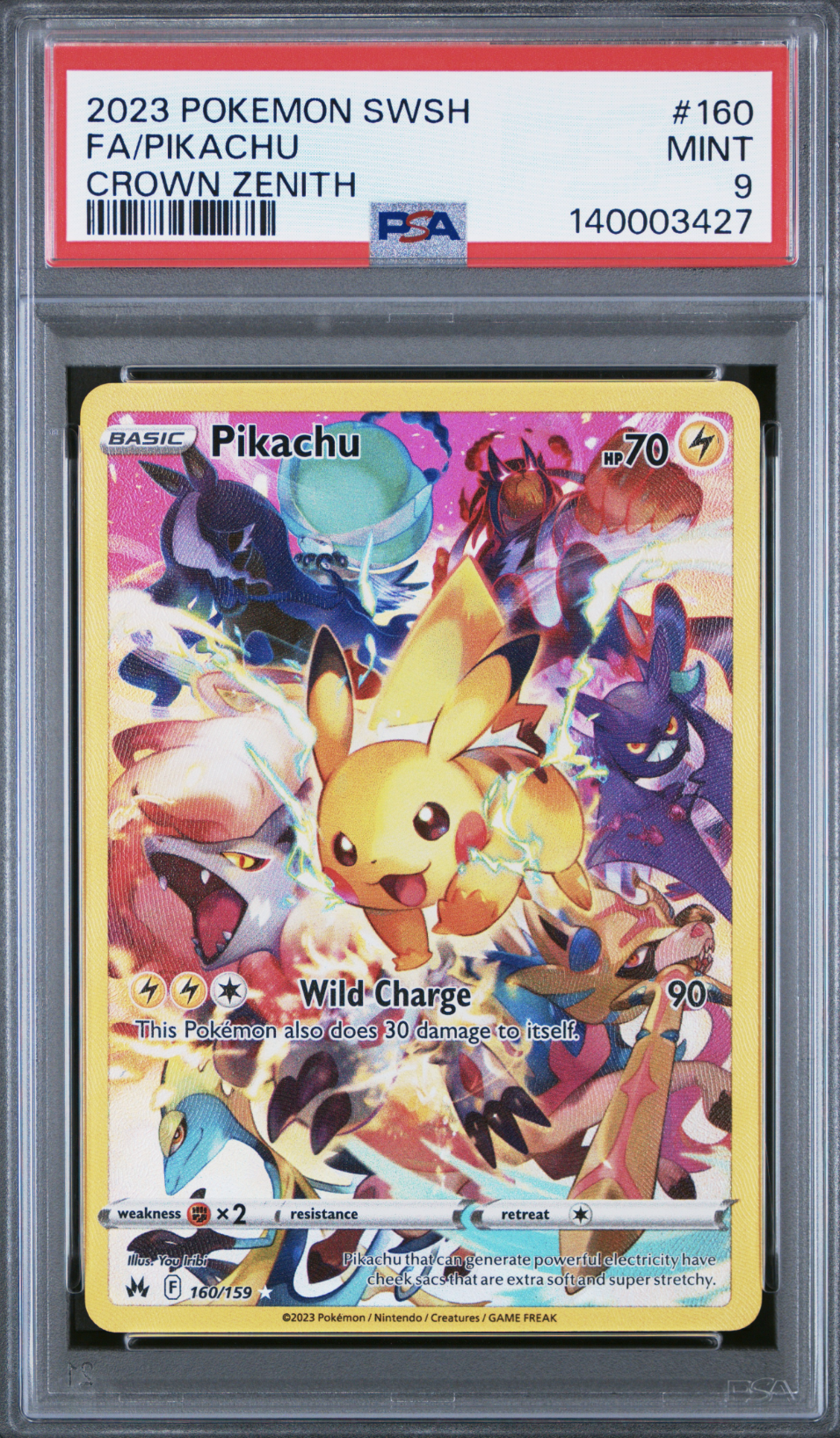
Trading concentrated on a small number of high-demand titles and rare printings. Tokenized early-set holographic cards and professionally graded vintage items accounted for a large share of dollar volume. Newer printings and promotional digital releases generated steady retail-level activity and contributed to more consistent liquidity.
Tokenized assets typically settled faster and incurred lower transaction costs for small trades compared with some physical-card transactions. Physical cards remained the primary store of value for collectors who preferred tangible ownership. Operators combining custodial storage with token issuance made redemption options available to some buyers.
Marketplaces updated identity checks and anti-fraud measures and expanded partnerships with grading and storage firms to address provenance concerns. Some jurisdictions issued updated guidance on digital securities and collectibles, and platforms revised listing terms to clarify redemption rights and consumer protections.
Tokenization converts ownership rights or representations of collectible cards into digital tokens on a blockchain, enabling automated transfers, fractional shares and verifiable provenance. The Pokémon TCG collector market continued to be influenced by scarcity, card condition and professional grading, with tokenization adding digital trading tools on top of those fundamentals.
The content on The Coinomist is for informational purposes only and should not be interpreted as financial advice. While we strive to provide accurate and up-to-date information, we do not guarantee the accuracy, completeness, or reliability of any content. Neither we accept liability for any errors or omissions in the information provided or for any financial losses incurred as a result of relying on this information. Actions based on this content are at your own risk. Always do your own research and consult a professional. See our Terms, Privacy Policy, and Disclaimers for more details.
Articles by this author