Swiss franc hits decade high against the euro
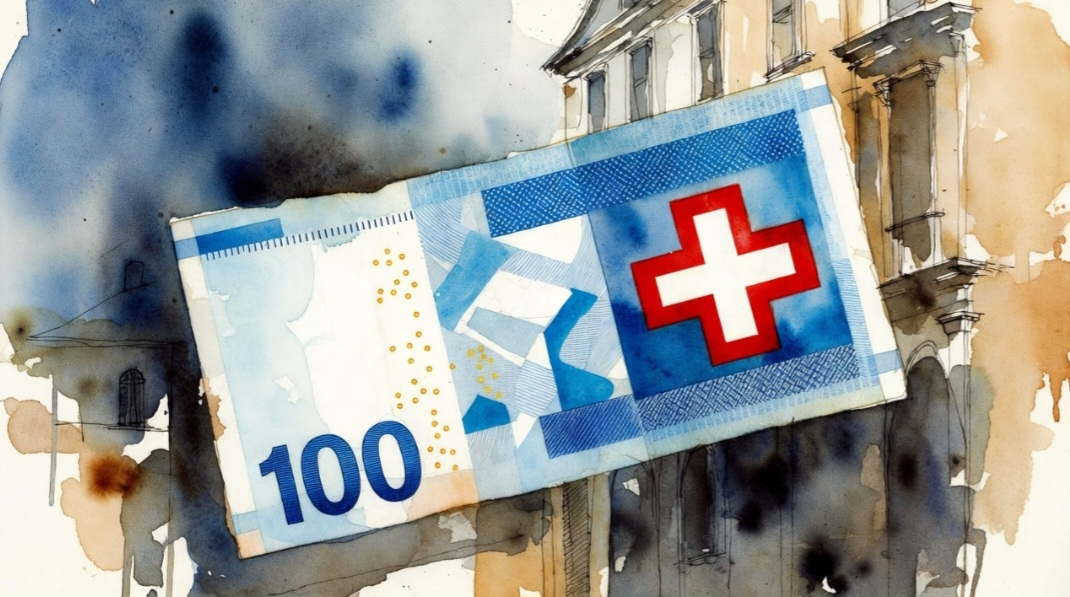
The Middle East conflict has sent investors scrambling for safe-haven assets. The Swiss franc is absorbing much of that demand – and the Swiss National Bank is now watching closely enough to speak up.
The euro dropped to 0.9037 francs in early Monday trading, its lowest level since the Franc Shock of January 2015, as investors moved into safe-haven assets following the escalation of the US-Israel conflict with Iran. The Swiss National Bank responded with a rare public statement, saying its willingness to intervene in foreign exchange markets had increased.
“We are prepared to intervene in the foreign exchange market to counter a rapid and excessive appreciation of the Swiss franc, which jeopardises price stability in Switzerland,” the SNB said.
The last time the central bank issued a statement of this kind was in 2016, when Britain's Brexit vote sent the franc spiking.
What the SNB can and cannot do
Analysts expect the SNB to sell francs to slow the appreciation but rule out taking interest rates below the current 0% floor. UBS economist Alessandro Bee said the bank would aim to take momentum out of the move without defending any specific level, noting that a hard floor at 0.90 would be difficult to sustain given how quickly safe-haven inflows can reverse.
A larger emergency response – rate cuts into negative territory or other exceptional measures – would only be warranted in the case of longer-term structural problems, Bee said, such as a broad global economic slowdown or coordinated rate cuts by other major central banks.
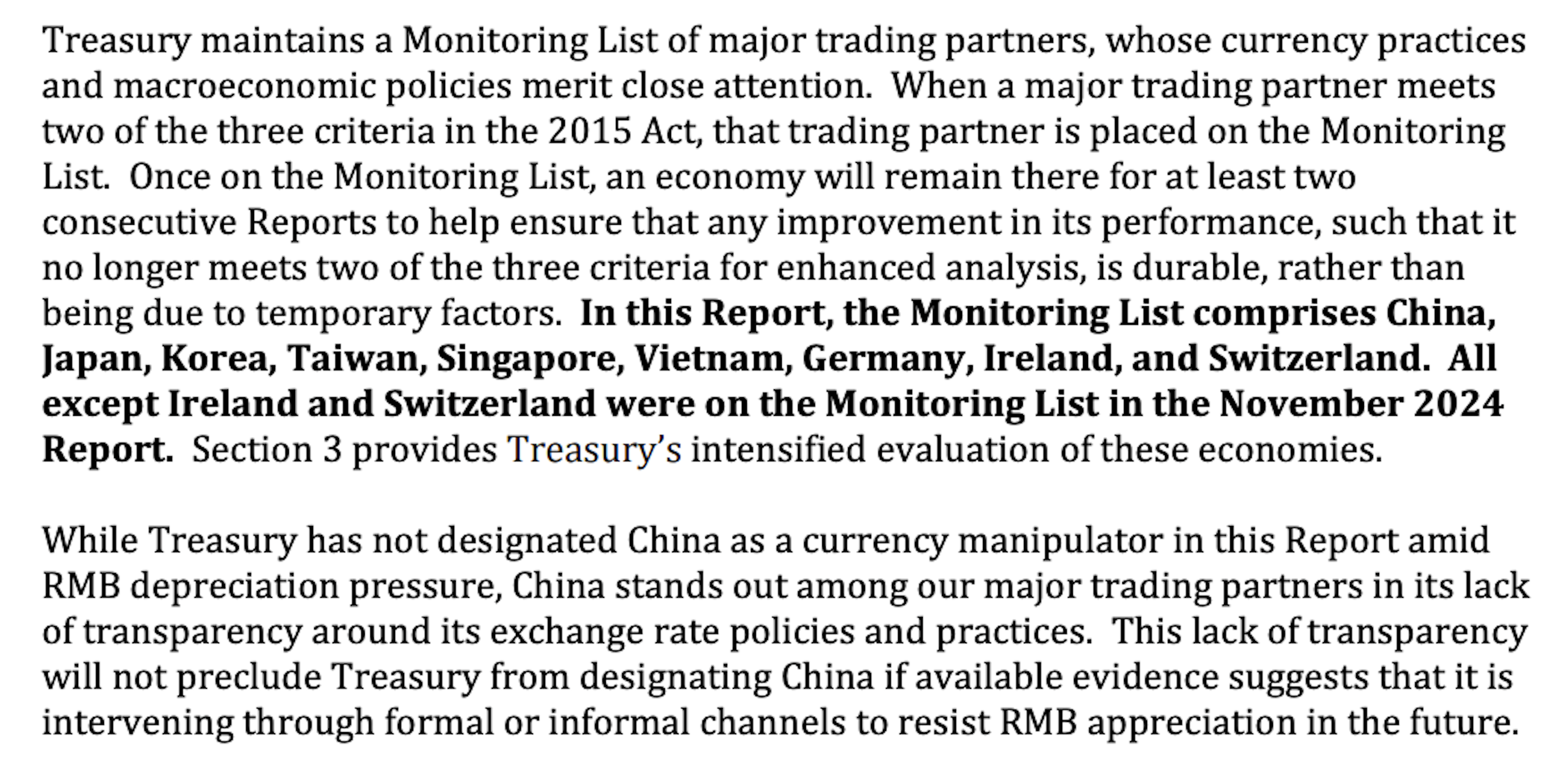
The SNB also faces a political constraint: repeated past interventions to weaken the franc led to Switzerland being placed on a US currency manipulator watchlist during Trump's first term, before later being removed.
The franc as gold
The Swiss franc has now gained 2% against the euro and 3.5% against the dollar so far in 2026, reaching its strongest level against both currencies since 2015. The move accelerated a trend already underway before the Middle East strikes – the franc was up 14% against the dollar last year as investors sought alternatives to US assets amid policy uncertainty in Washington.
Morgan Stanley strategists, in a note published February 23, described the franc as “arguably the most gold-like safe haven currency,” citing Switzerland's low inflation, fiscal soundness, and track record of outperforming during market shocks. The bank forecast a further 5% climb to 0.87 per euro, with a bear-case scenario putting the franc at a lifetime high of 0.64 against the dollar.
Daniel Kalt, chief investment officer for Switzerland at UBS Global Wealth Management, put the key threshold at 0.90 against the euro. A sustained break below that level would put Swiss exporters under serious pressure and “trigger some difficult conversations” for authorities, he said.
The deflation risk
The SNB concern is not just about exporters. A franc this strong drags import prices down, and with Swiss interest rates already at zero, the central bank has limited room to offset deflationary pressure through conventional monetary policy. Karsten Junius, chief economist at Swiss bank Safra Sarasin, warned that a large rate cut would risk overstimulating an economy that does not need it, while a small cut would do little to reduce the relative appeal of Swiss assets given the yield gap that already exists between Swiss and Eurozone government bonds.
Switzerland is due to release February inflation data on Wednesday, which will give the SNB its first hard read on whether the franc's appreciation has already begun pushing prices lower.
The content on The Coinomist is for informational purposes only and should not be interpreted as financial advice. While we strive to provide accurate and up-to-date information, we do not guarantee the accuracy, completeness, or reliability of any content. Neither we accept liability for any errors or omissions in the information provided or for any financial losses incurred as a result of relying on this information. Actions based on this content are at your own risk. Always do your own research and consult a professional. See our Terms, Privacy Policy, and Disclaimers for more details.
Articles by this author