Hormuz crisis grinds global shipping to a halt
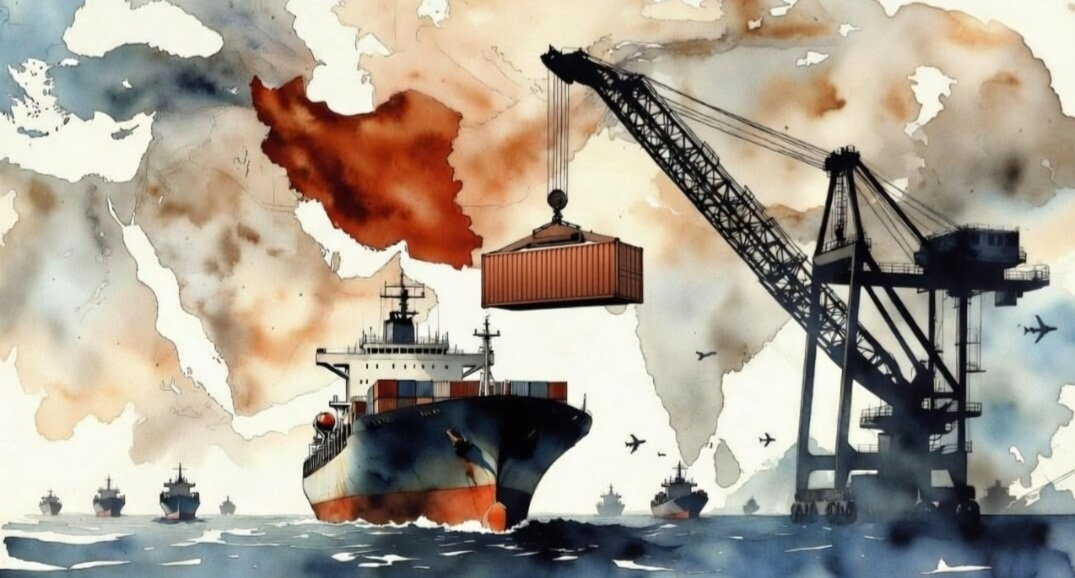
Following U.S. and Israeli strikes on Iran over the weekend, major shipping carriers have suspended transits through the Strait of Hormuz, rerouted vessels around Africa, and introduced emergency surcharges.
The World Shipping Council is warning that the knock-on effects will reach supply chains and trade routes worldwide – and for crypto markets, the macro backdrop has shifted sharply against risk assets.
Who stopped moving
Maersk, CMA CGM, MSC, and Hapag-Lloyd have all suspended transits through the Strait of Hormuz, diverting vessels around the Cape of Good Hope instead. That's the same detour the industry used during the Red Sea crisis – adding roughly 10–14 days per voyage.
CMA CGM introduced emergency surcharges effective March 2: $2,000 per 20-foot dry container, $3,000 per 40-foot unit, and $4,000 for reefer and special equipment. Hapag-Lloyd added a separate War Risk Surcharge on top. Three oil tankers were struck near the Strait of Hormuz over the weekend, with the IMO confirming seafarer injuries.
Market reaction
US crude futures climbed 11% on Sunday, while Brent futures rose 10% on Monday. For crypto markets, the signal is familiar: risk-off conditions, oil spike, inflation pressure. Bitcoin tends to sell off alongside broader risk assets in the early stages of geopolitical shocks before stabilizing.
Xeneta chief analyst Peter Sand noted that any plans for a phased return of container shipping to the Red Sea in 2026 will now be shelved until the security situation becomes clearer. WSC's Kramek noted the industry has recent experience navigating such disruptions and that rerouting has kept trade moving under difficult conditions – but that was a slower-burning crisis. A conflict directly involving Iran raises the stakes considerably.
Why this matters for crypto
The Strait of Hormuz carries roughly 20% of global oil trade. When it's disrupted, energy prices rise, shipping costs follow, pushing inflation expectations higher – all of which tighten the macro environment for risk assets. The Red Sea crisis of 2023–2024 offered a preview: markets absorbed the shock gradually, but sentiment stayed cautious for months. Whether this escalation stabilizes or deepens will determine whether this is a contained supply shock or a prolonged macro headwind.
The content on The Coinomist is for informational purposes only and should not be interpreted as financial advice. While we strive to provide accurate and up-to-date information, we do not guarantee the accuracy, completeness, or reliability of any content. Neither we accept liability for any errors or omissions in the information provided or for any financial losses incurred as a result of relying on this information. Actions based on this content are at your own risk. Always do your own research and consult a professional. See our Terms, Privacy Policy, and Disclaimers for more details.
Tags
Articles by this author