Friction maxxing goes viral as shoppers add purchase hurdles
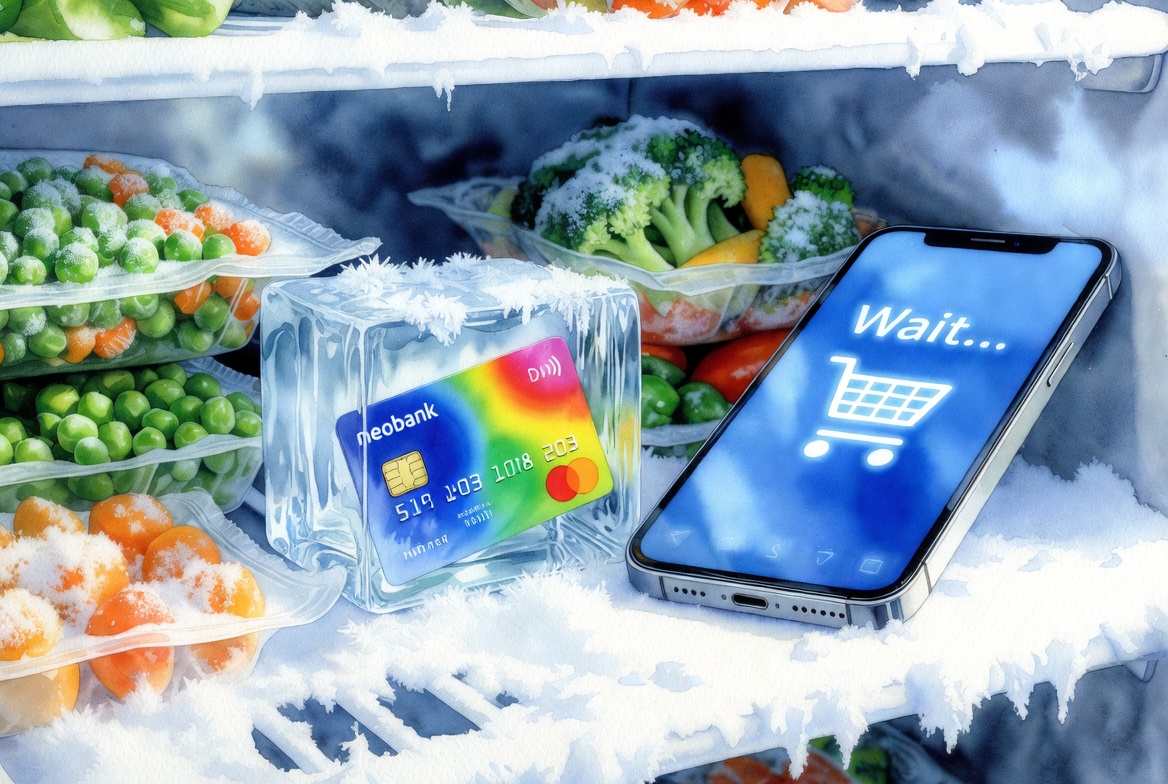
Shoppers are adopting ‘friction maxxing’ — adding delays, deleting payment data and using cooling-off rules — to curb impulse online purchases.
Friction maxxing refers to consumers deliberately adding delays and extra steps to the checkout process to curb impulse purchases and change spending habits. The approach has spread on social platforms since late 2023 and gained momentum through 2024.
Users on social apps and forums describe steps such as removing saved cards, disabling one-click checkout, deleting retailer apps and setting mandatory waiting periods before completing a purchase. Creators post short videos and threads explaining the exact actions they use to pause and reconsider unplanned buys.
Common tactics include unsubscribing from promotional emails and push notifications, moving credit cards out of wallet apps, saving items to wish lists instead of buying immediately, switching to cash for discretionary spending and imposing 24- to 72-hour cooling-off rules for nonessential items.
Other measures involve adding technical barriers such as complex passwords or multi-step authentication, setting calendar reminders to revisit a potential purchase, or routing transactions through family members who act as informal gatekeepers.
A behavioral economist at a U.S. university offered:
Making a purchase harder to execute often means the emotion that drove the impulse cools down, and deliberate thought has a chance to take over.
Some shoppers report measurable effects. One creator described deleting three shopping apps and moving a credit card to a physical wallet, adding, “I used to buy whatever I saw; now I have to walk to my apartment to get my card. By the time I’m back, I usually don’t want the item anymore.” Another user reported that a 48-hour rule cut their monthly online purchases in half.
Retailers and payment providers are paying attention because friction-maxxing counters features built to speed checkout, including stored payment data, one-click options and buy-now-pay-later plans. Industry analysts say businesses that rely on impulse-driven sales could see lower conversion rates if many customers adopt friction-increasing steps. Some merchants are responding with loyalty perks, personalized offers and subscription models that encourage repeat purchases.
Financial advisers note the practice is most commonly applied to discretionary spending rather than essentials. Advisors recommend pairing structural changes with goal-setting measures such as scheduling automatic transfers to savings, creating separate accounts for routine bills and tracking progress toward targets.
A certified financial planner advised:
Barriers help, but clear financial goals and simple budgeting tools make it easier to use those barriers intentionally.
Academic research on consumer behavior supports the idea that easier checkout increases purchase probability while cooling-off periods can reduce buyer remorse and returns. Users experimenting with friction-maxxing report combining technological fixes with social accountability, for example asking friends to enforce limits or sharing potential purchases publicly to invite feedback.
Economists and marketers are monitoring how these changes in choice architecture affect buying decisions and whether retailers will adjust product and payment designs in response.
The content on The Coinomist is for informational purposes only and should not be interpreted as financial advice. While we strive to provide accurate and up-to-date information, we do not guarantee the accuracy, completeness, or reliability of any content. Neither we accept liability for any errors or omissions in the information provided or for any financial losses incurred as a result of relying on this information. Actions based on this content are at your own risk. Always do your own research and consult a professional. See our Terms, Privacy Policy, and Disclaimers for more details.
Articles by this author