Fed minutes open door to cuts as Iran conflict spurs caution
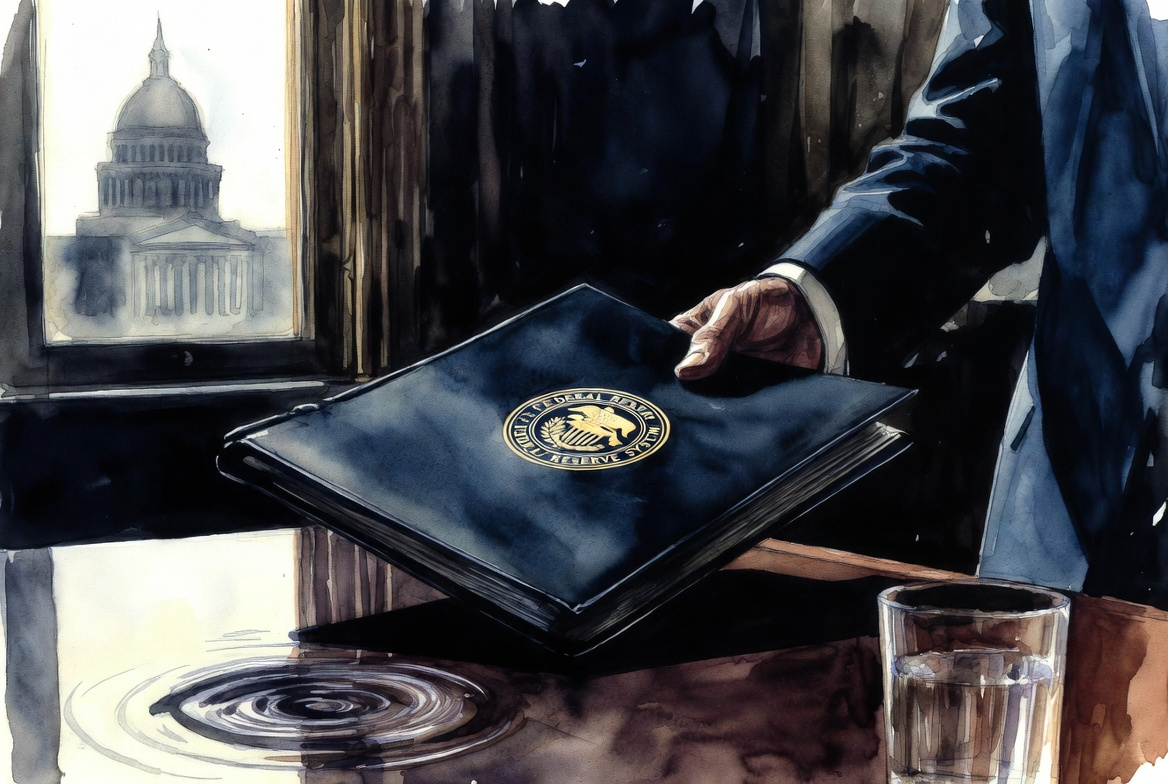
Fed minutes show officials may cut rates if inflation slows; the Iran war pushed investors into safer assets and raised market caution.
Federal Reserve minutes released Wednesday show officials would consider cutting interest rates later this year if inflation continues to slow and the labor market weakens. The document described a conditional, data-dependent approach to policy.
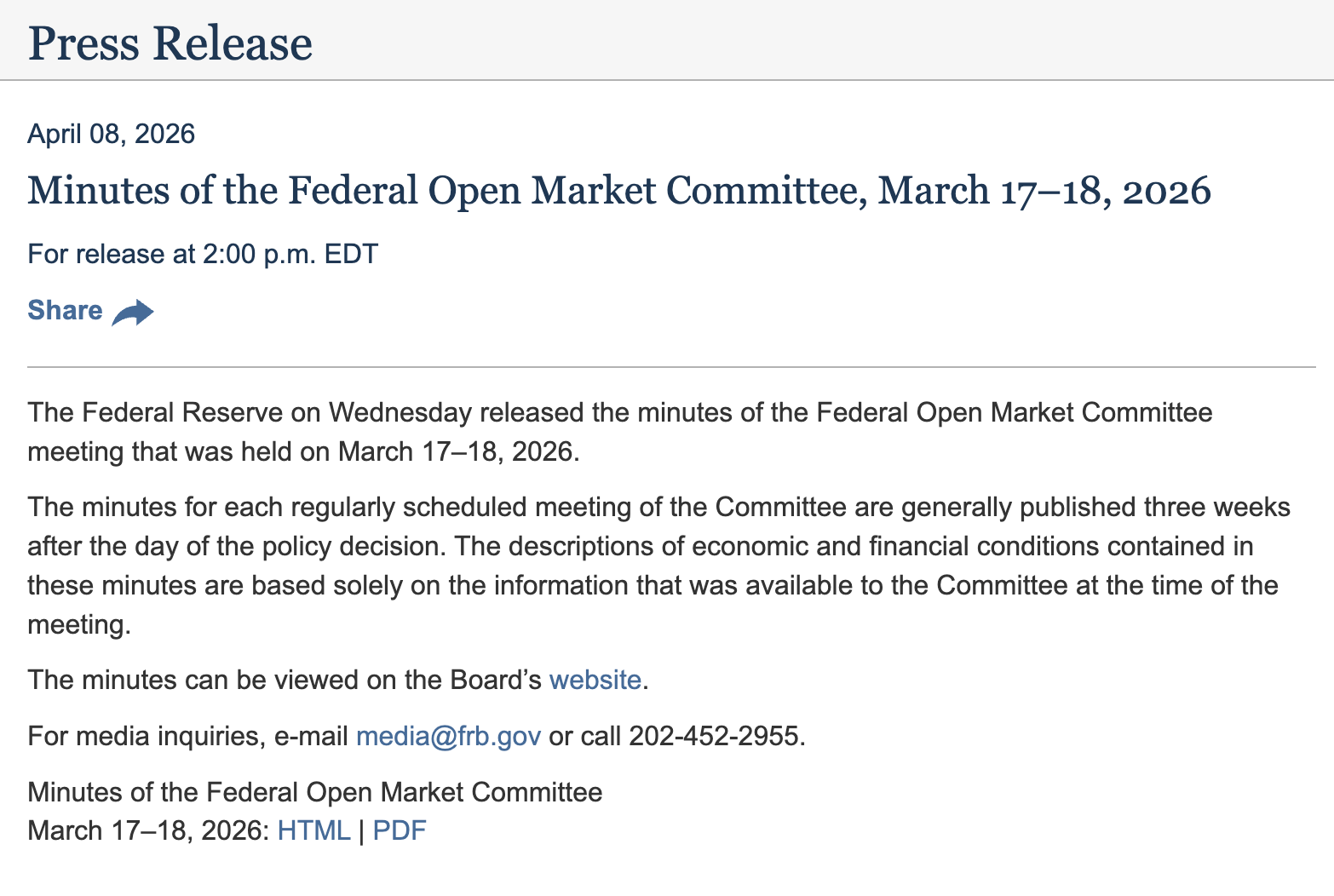
The minutes from the Federal Open Market Committee meeting noted policymakers would assess incoming economic readings before deciding on any reduction in the policy rate. Officials cited progress in easing inflation from its peak but said further improvement in price measures and signs of labor-market cooling would be needed before easing policy.
Renewed conflict involving Iran prompted investors to shift capital into traditional safe-haven assets, creating near-term uncertainty across stocks, commodities and bond markets. Equity indexes pulled back from recent highs, while demand for U.S. Treasuries and gold rose. Volatility measures ticked higher as traders adjusted positions.
Oil prices increased on concern that the conflict could disrupt regional supply routes, adding a potential source of inflation pressure that market participants must weigh alongside the possibility of later rate cuts.
Market-implied probabilities for the path of interest rates moved after the minutes and the geopolitical news. Futures markets adjusted pricing for rate cuts, and portfolio managers reported trimming exposure to cyclically sensitive sectors and shifting into defensive holdings or cash as they awaited clearer economic signals.
The minutes read: “If incoming data continue to show disinflation and the labor market softens, policymakers indicated they would be prepared to reduce the policy rate,” reflecting the committee’s conditional approach to future easing.
Traders and investors will watch upcoming U.S. data releases, including inflation reports and labor-market indicators, for signals that could strengthen or weaken the case for rate reductions. Developments in the Middle East and any effects on global oil markets will also factor into policy expectations and asset-allocation decisions.
The minutes emphasize that decisions will depend on incoming data and evolving economic risks, including international developments that could affect inflation or growth. Investors have responded by recalibrating positions to account for both the possibility of lower rates later in the year and the immediate market uncertainty tied to the Iran conflict.
The content on The Coinomist is for informational purposes only and should not be interpreted as financial advice. While we strive to provide accurate and up-to-date information, we do not guarantee the accuracy, completeness, or reliability of any content. Neither we accept liability for any errors or omissions in the information provided or for any financial losses incurred as a result of relying on this information. Actions based on this content are at your own risk. Always do your own research and consult a professional. See our Terms, Privacy Policy, and Disclaimers for more details.
Articles by this author