Nigeria Fraudster Poses as Trump Official, Steals $250K in USDT

FBI and Tether freeze $40,300 in USDT from a $250,300 crypto scam where a fraudster posed as the Trump-Vance Inaugural Committee.
A Nigeria-based fraudster posed as Steve Witkoff, co-chair of the Trump-Vance Inaugural Committee, and stole $250,300 in USDT by tricking a donor into sending funds to a fake wallet. U.S. prosecutors announced the case on July 2.
The scammer sent an email from the fake domain “@t47lnaugural.com” on December 24, 2024. The fraudulent domain replaced the lowercase “i” in the real “@t47inaugural.com” address with an “l,” making it nearly identical in most fonts. The victim received the email directing a transfer of 250,300 USDT on December 26 to a wallet ending in 58c52, believing it was an official committee request.
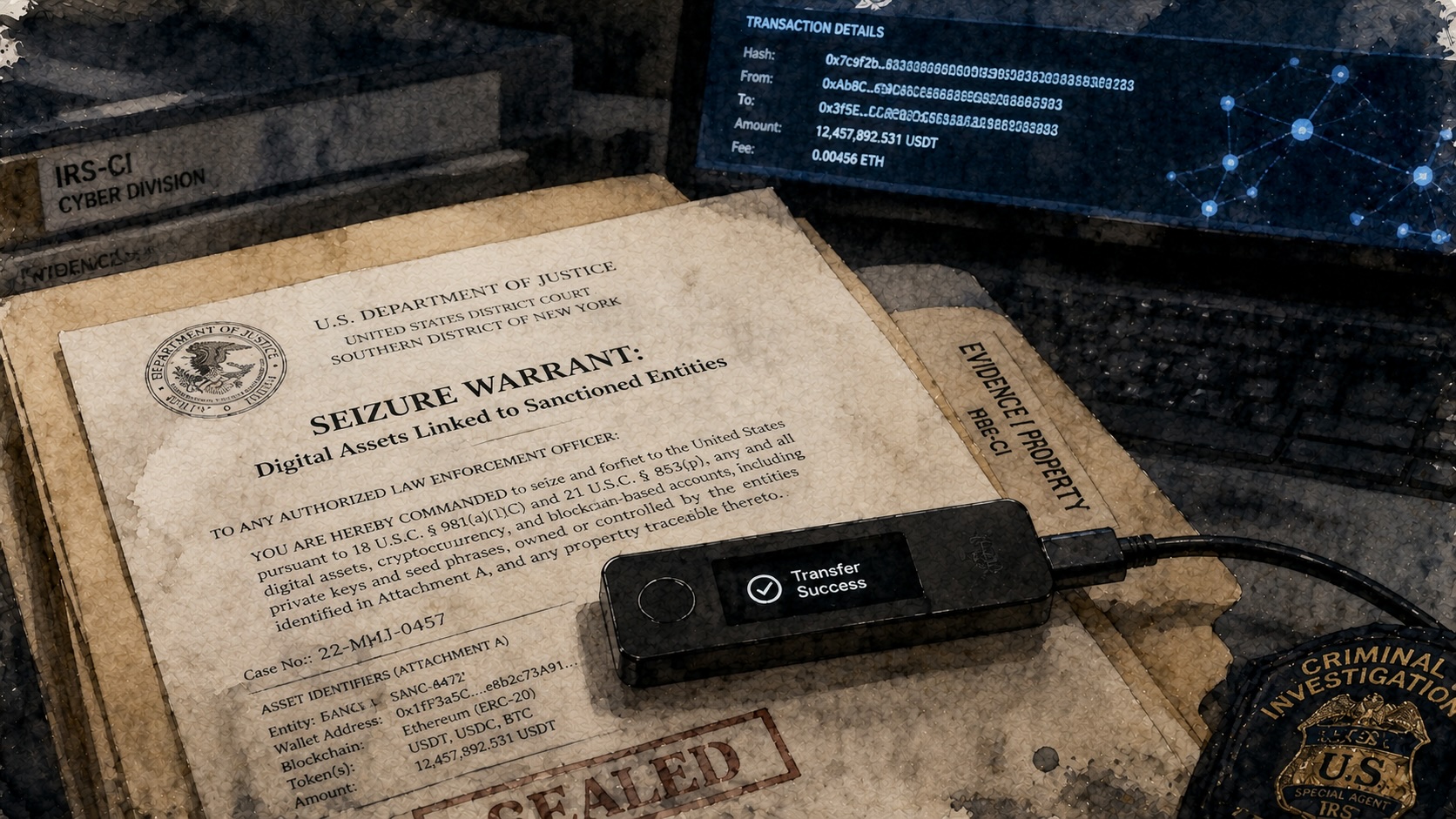
Within two hours of receiving the funds, the scammer dispersed them to other addresses. The FBI used blockchain analytics to track the stolen tokens and recovered 40,300 USDT with help from Tether, the USDT stablecoin issuer.
U.S. Attorney Jeanine Ferris Pirro filed a civil forfeiture complaint on July 2, 2025, seeking to recover the traced funds to compensate the victim. Tether worked with law enforcement to freeze the stolen tokens, similar to its role in a separate $225 million fraud case investigated by the DOJ, Secret Service, and OKX exchange last month.
All donors should double and triple check that they are sending cryptocurrency to their intended recipient, – Pirro said. – It can be extremely difficult for law enforcement to recoup lost funds due to the complex nature of the blockchain, but we stand ready to go toe-to-toe with criminals and make victims whole.
FBI Assistant Director Steven J. Jensen added that impersonation scams cost Americans billions in losses each year. “To avoid becoming a victim, carefully review email addresses, website URLs, and spelling in any messages you receive. Scammers often use subtle differences to deceive you and gain your trust.”
The case demonstrates how fraudsters exploit domain spoofing and human error to target crypto donations, particularly around high-profile political events where donors may be more likely to respond quickly to official-looking requests.
Read on: Phishing 3.0: Why Fake Now Looks Real in Crypto’s Inbox Wars
The content on The Coinomist is for informational purposes only and should not be interpreted as financial advice. While we strive to provide accurate and up-to-date information, we do not guarantee the accuracy, completeness, or reliability of any content. Neither we accept liability for any errors or omissions in the information provided or for any financial losses incurred as a result of relying on this information. Actions based on this content are at your own risk. Always do your own research and consult a professional. See our Terms, Privacy Policy, and Disclaimers for more details.
Articles by this author