Dow falls 800 points amid rising oil prices and inflation worries
Oil climbed, yields followed, and Wall Street spent Thursday absorbing the consequences. Here is what drove the selloff and what it means for the rate cut timeline.
After Wednesday's brief relief rally, stocks slipped again as crude oil climbed on escalating tensions in the Middle East, and the market returned to the oldest equation in finance: energy up, everything else suddenly feels heavier.
By the close, the S&P 500 was down about 0.57%, the Dow had shed roughly 786 points – around 1.6%, recovering from a midday plunge that briefly exceeded 1,000 points – and the Nasdaq closed down approximately 0.26%. The VIX rose 12.34% to sit above 23.8.
Oil price surge drives market move
Crude did most of the talking. Brent climbed to around $84.56 a barrel during the session, with US crude reaching roughly $78.66 – both sharply above levels from late last week. Gas prices were already responding at the pump: AAA's national average hit $3.25 a gallon, up 9% from the prior week.
Traders kept a close watch on the Strait of Hormuz after reports of rising disruption risk and reports of a possible tanker attack in the waterway cited by Iranian authorities. The strait handles roughly a fifth of global oil supply, and any credible threat to that flow gets priced in fast.
Treasury yields rise, rate cut expectations adjust
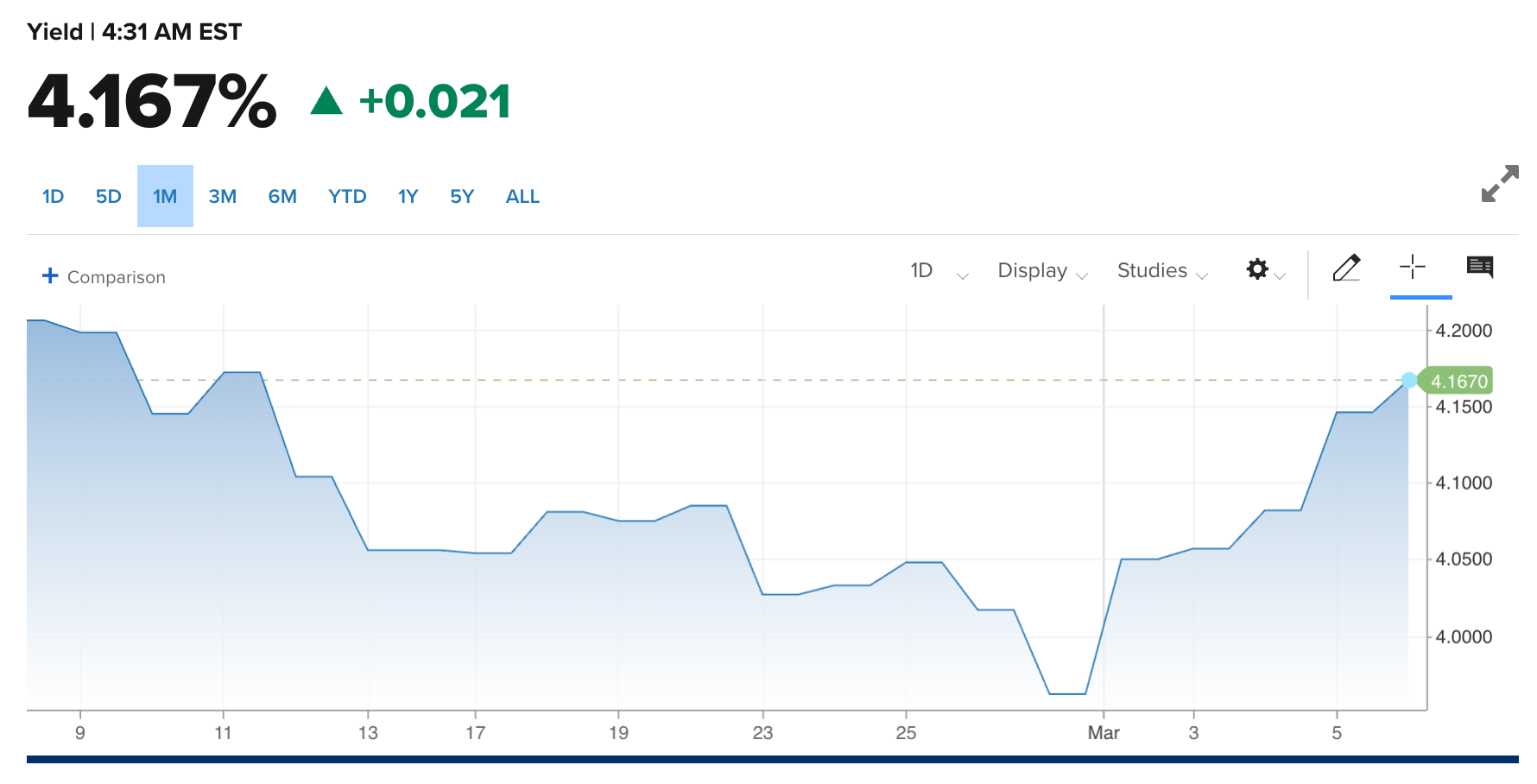
Bonds took the cue. The 10-year Treasury yield pushed above 4.1% at the open, reaching around 4.16%, up from 4.09% late Wednesday and roughly 3.97% before the conflict began. Two-year yields were on pace for their biggest four-day surge since May – the bond market's way of reminding equities that inflation math still outranks optimism.
The move was brisk enough to make the idea of rate cuts later this year feel considerably less certain than it did a week ago.
Sector performance: winners and losers
The market's internal logic held consistent. Anything exposed to the consumer took a hit – retailers and airlines were among the hardest hit as fuel costs rose. Smaller companies lagged more broadly, with the Russell 2000 down 1.5%. Energy held up, as it tends to when crude climbs.
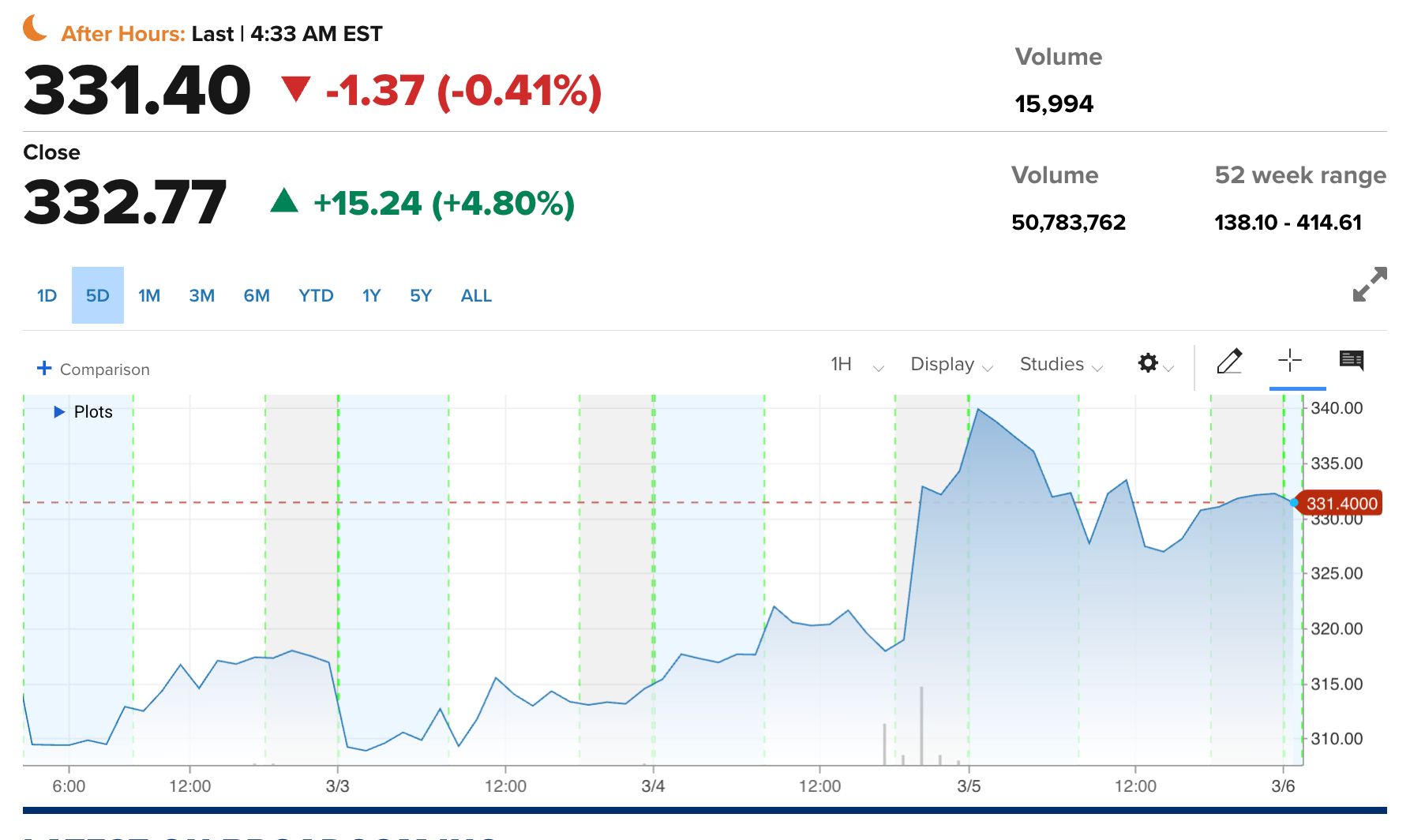
The partial exception was AI-linked hardware. Broadcom jumped over 5% after reporting a 74% surge in AI-chip revenue and offering guidance that didn't flinch – a reminder that even on a geopolitically driven down day, investors will pay up for a clean growth story with the right keywords attached.
Next steps for investors
Thursday's slide reflected a classic market reaction to rising geopolitical risk: higher oil prices, rising yields, and pressure on equities. If oil keeps pressing higher, the stress moves from trading screens to corporate forecasts, then to consumer budgets – and loops right back to trading screens. The path to rate cuts just got a few steps longer.
The content on The Coinomist is for informational purposes only and should not be interpreted as financial advice. While we strive to provide accurate and up-to-date information, we do not guarantee the accuracy, completeness, or reliability of any content. Neither we accept liability for any errors or omissions in the information provided or for any financial losses incurred as a result of relying on this information. Actions based on this content are at your own risk. Always do your own research and consult a professional. See our Terms, Privacy Policy, and Disclaimers for more details.
Articles by this author