Clarity Act Draft delayed; Idle stablecoin rewards still banned
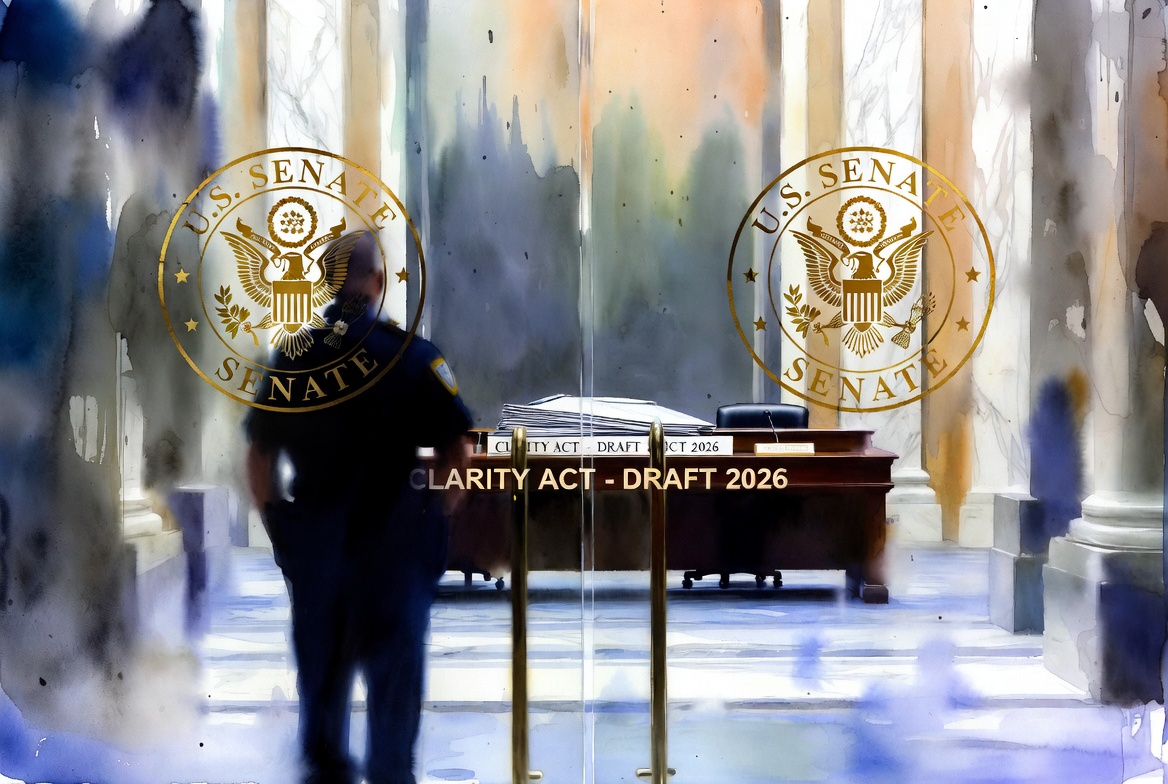
Senate negotiators delayed the Clarity Act stablecoin-yield draft; the circulating version bars rewards on idle stablecoin balances while allowing transaction-linked yield.
Senate negotiators postponed release of the Clarity Act language on stablecoin yield, and the draft moving among lawmakers continues to prohibit rewards on idle stablecoin balances while permitting yield tied to transactional activity. The delay leaves the question of whether crypto firms can pay interest on stablecoin holdings unresolved for at least another week.
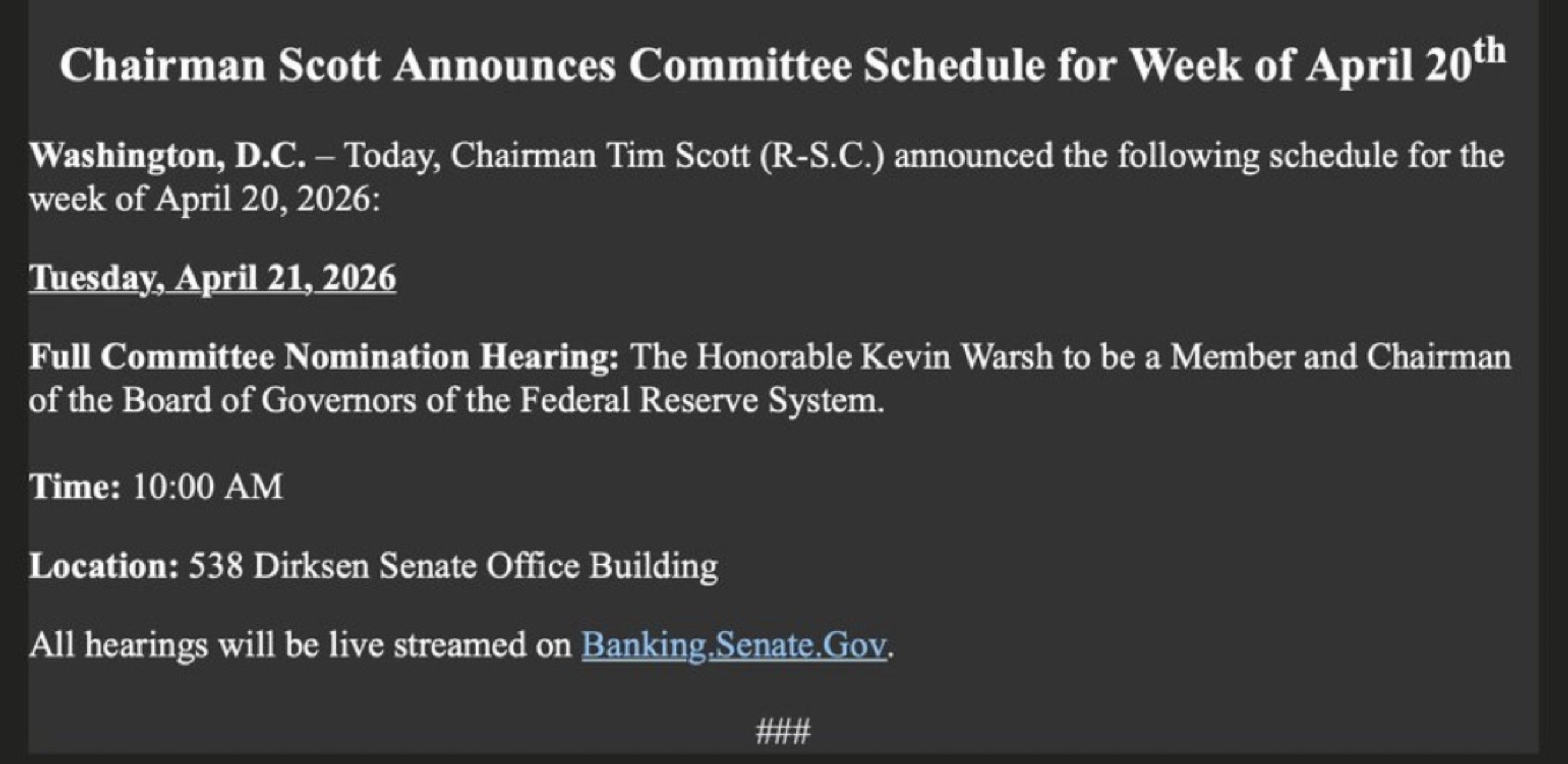
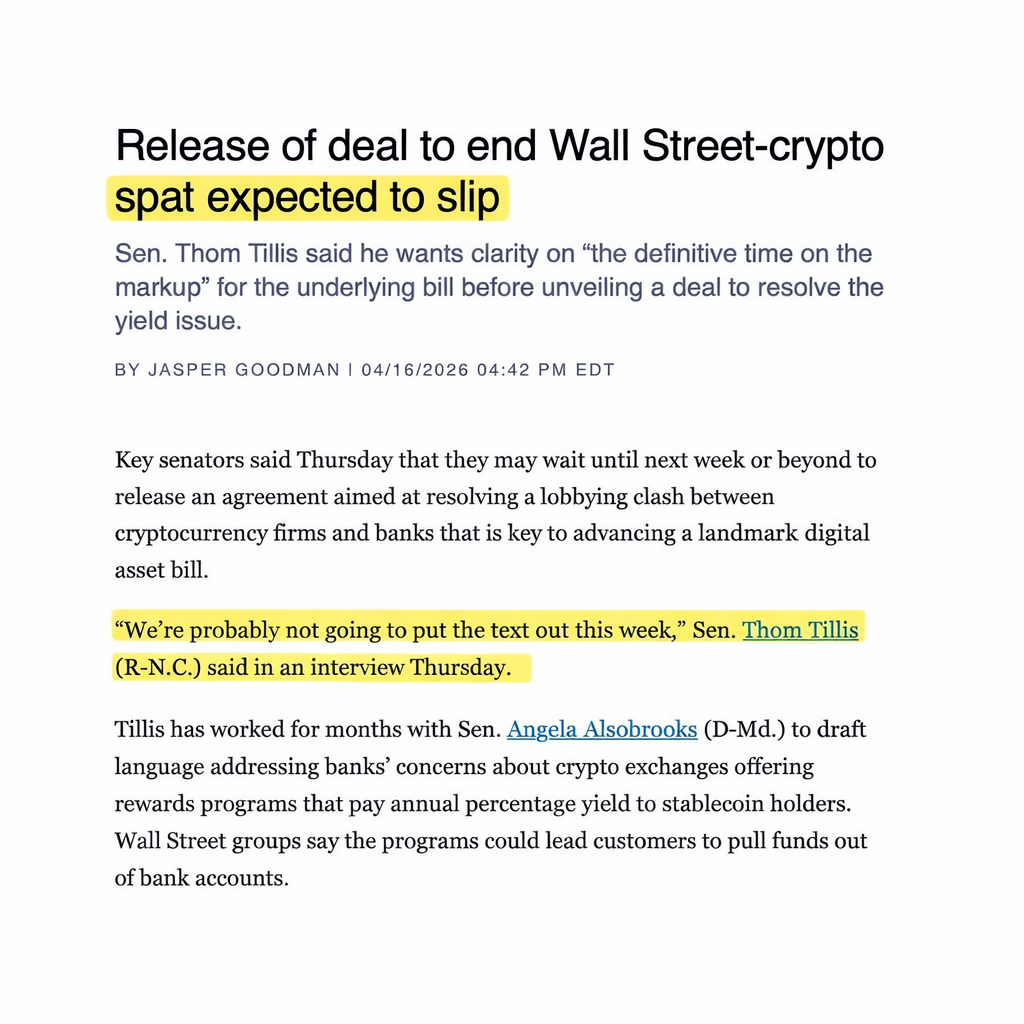
Sen. Thom Tillis (R-N.C.), working with Sen. Angela Alsobrooks (D-Md.), decided not to publish the draft this week, citing the need for clarity on the timing of an upcoming Banking Committee markup before making the text public. A person familiar with the negotiations confirmed the draft retains prior wording that would ban rewards on idle stablecoin accounts but would allow yield when it is linked to specific activity such as transactions. That source said making substantive changes at this stage would be difficult as the legislative team continues meetings with bank trade associations and crypto companies.
Lawmakers have focused on the yield provision because it has been the main point of disagreement in efforts to craft a comprehensive framework for digital assets. The earlier GENIUS Act banned stablecoin issuers from paying interest to holders but did not explicitly bar third-party platforms, such as exchanges, from offering yield. The Clarity Act text under negotiation is intended to set a single rule for whether any institutional or nonbank platform may provide rewards on idle stablecoin holdings.
Banking groups argue that allowing third-party platforms to offer rewards on stablecoins would draw deposits away from traditional banks, disrupting funding models and potentially increasing systemic risk. Crypto firms, including major exchanges, say a ban on such rewards would limit product offerings and consumer choice; some industry participants also contend that banks could gain new business opportunities if platforms were restricted.
Related: White House: stablecoin yields unlikely to hurt banks
The White House has hosted closed-door discussions since early this year to try to bridge the competing positions, but those sessions have not produced a compromise. Negotiators have consulted financial regulators, bank trade associations and crypto industry representatives to assess the practical effects of alternative drafts. Tillis and Alsobrooks have emphasized the need for language that is enforceable and clear.
Until the text is published, stakeholders on both sides will continue to press their cases privately. Bank lobbyists are expected to seek stronger limits on nonbank yield offerings, while crypto companies are expected to argue the ban on idle rewards could shift activity or concentrate business within banks. Lawmakers have not set a new public timeline for the draft’s release; the content of the final text could depend on meetings scheduled this week and the timing of the Banking Committee markup.
The content on The Coinomist is for informational purposes only and should not be interpreted as financial advice. While we strive to provide accurate and up-to-date information, we do not guarantee the accuracy, completeness, or reliability of any content. Neither we accept liability for any errors or omissions in the information provided or for any financial losses incurred as a result of relying on this information. Actions based on this content are at your own risk. Always do your own research and consult a professional. See our Terms, Privacy Policy, and Disclaimers for more details.
Articles by this author