White House: stablecoin yields unlikely to hurt banks
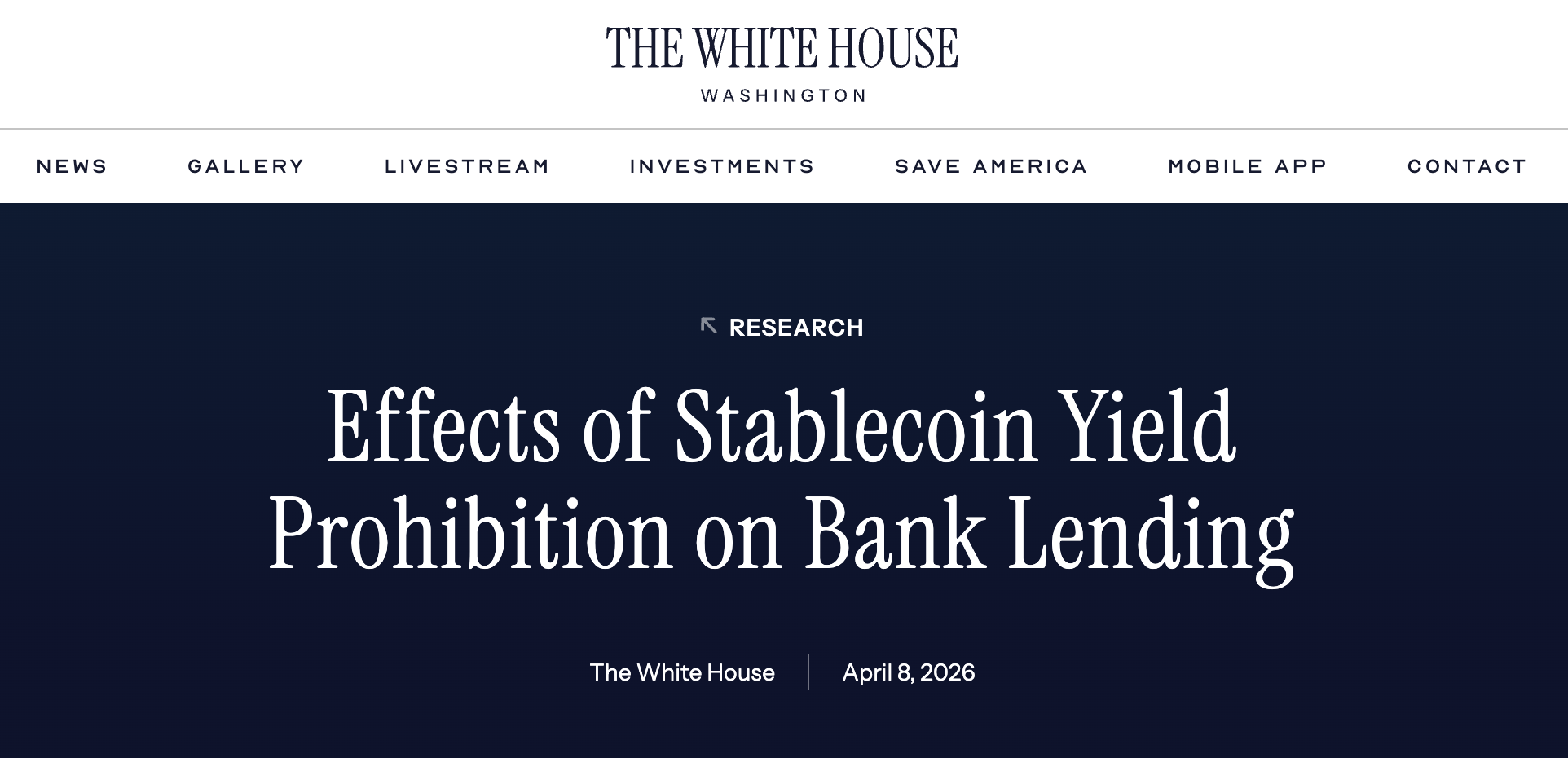
A White House analysis found stablecoin yields are unlikely to trigger large deposit outflows from U.S. banks given current market size, structure and protections.
A White House analysis released this week found stablecoin yields are unlikely to trigger large deposit outflows from U.S. banks given current market size and market structure.
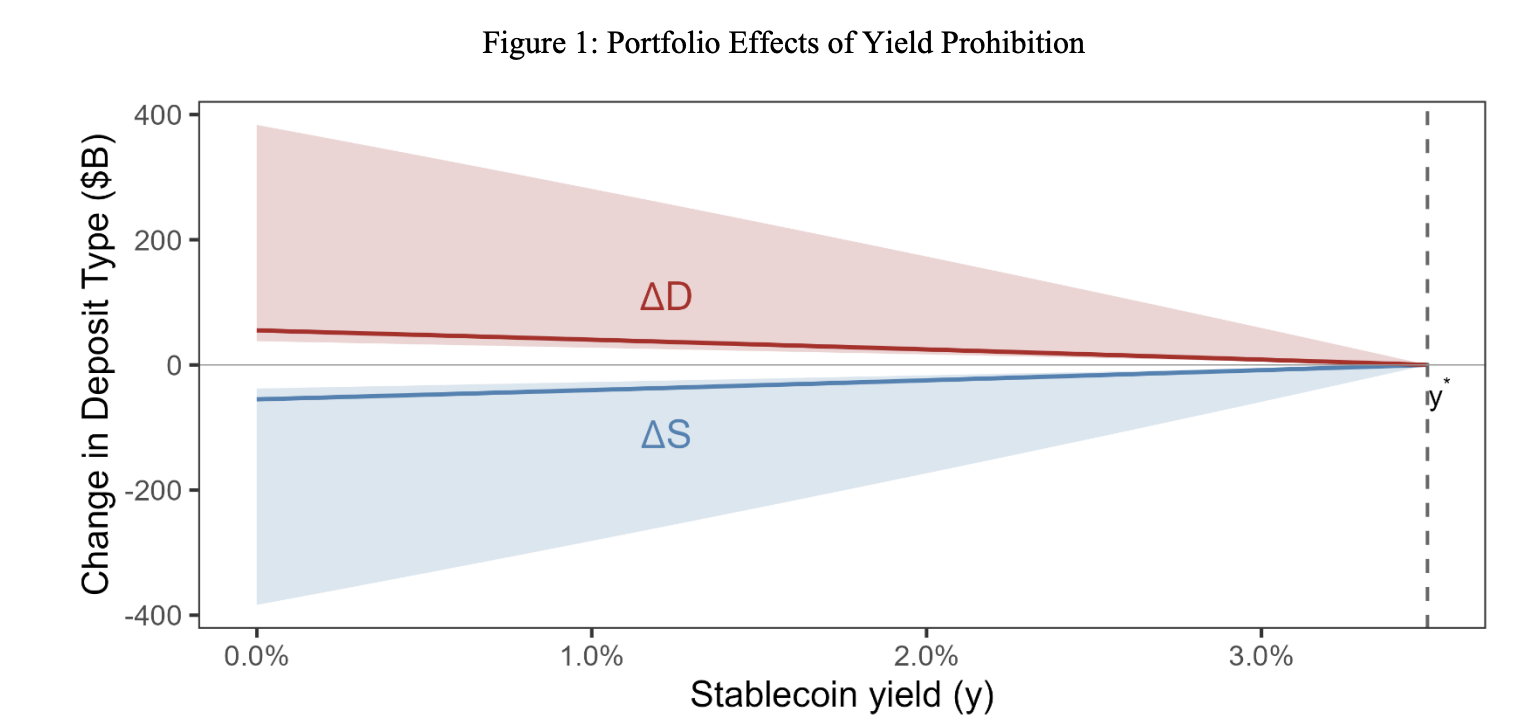
The report identified frictions and structural features that limit the ability of stablecoin returns to displace bank deposits. Stablecoin activity is concentrated among crypto firms and institutional traders rather than ordinary household depositors, and many retail customers do not use the digital wallets, exchanges or intermediaries required to hold stablecoins.
The paper noted differences in consumer protections and access. Bank deposits carry Federal Deposit Insurance Corporation coverage, branch services and integrated payment access that many consumers use. Stablecoins are not FDIC insured and typically require different tools and steps to access.
The analysis described how stablecoin yields are funded. Issuers commonly rely on short-term markets and crypto platforms to generate returns. Those funding sources can be volatile, which limits the durability and predictability of high yields compared with insured bank rates.
Researchers compared the overall size of prominent stablecoins with aggregate U.S. bank deposits and found stablecoins remain small by comparison. The paper said that size gap reduces the near-term potential for stablecoin returns to create broad funding pressure on banks.
The report highlighted regulatory differences as another constraint. Banks operate under prudential rules, capital and liquidity requirements and supervisory oversight that most stablecoin issuers do not face today, the analysis noted.
The economists did not dismiss potential risks. They warned that a substantial expansion of stablecoin markets or the emergence of products that make stablecoins easier for ordinary savers to use could change competitive dynamics. The paper recommended continued monitoring by banking and financial regulators and proposed clearer reserve standards for issuers and greater transparency about where yields are coming from to reduce tail risks.
The analysis appears as federal agencies including the Treasury, the Federal Reserve and banking regulators continue to review investor protections, reserve backing and contagion risks tied to nonbank digital assets. Lawmakers from both parties have introduced proposals to regulate stablecoins, and some regulators have signaled interest in statutory authority to supervise certain issuers.
“Given current market structure and size, stablecoin yields are unlikely to materially siphon deposits from U.S. banks,” the economists wrote.
The content on The Coinomist is for informational purposes only and should not be interpreted as financial advice. While we strive to provide accurate and up-to-date information, we do not guarantee the accuracy, completeness, or reliability of any content. Neither we accept liability for any errors or omissions in the information provided or for any financial losses incurred as a result of relying on this information. Actions based on this content are at your own risk. Always do your own research and consult a professional. See our Terms, Privacy Policy, and Disclaimers for more details.
Articles by this author