Victim Sues Citibank for Processing ~$4M in Romance Scam Transfers

Lawsuit alleges Citibank processed $3.8 M in suspect crypto transfers, aiding a $20M romance scam by failing to flag suspicious activity.
Michael Zidell filed a lawsuit against Citibank on June 24, 2025, in Manhattan federal court. He claims the bank processed ~$4 million in suspicious transfers without a proper investigation as part of a $20 million romance scam.
In early 2023, someone calling herself “Carolyn Parker” contacted Zidell through Facebook. She presented herself as a successful business owner and convinced him to invest in NFTs through a platform called OpenrarityPro.
After a month of online conversations, Parker told Zidell to send money to multiple bank accounts. She said this was needed because of high customer volume on the platform. Zidell sent $20 million across 43 transfers to different banks over several months. By late April 2023, the trading website vanished along with his money.
Citibank's Role
Citibank handled 12 of these transfers, worth about $3.8 million, all going to an account owned by Guju Inc. The lawsuit says the bank ignored obvious red flags.
The complaint states Citibank processed “large, round sums” flowing in and out of the account without investigation. Under anti-money laundering rules, banks are required to report suspicious activity when they detect irregular transactions.
“Citibank turned a blind eye to its statutory duties and obligations,” the lawsuit reads. The bank “failed to implement adequate securities measures” and “failed to detect clearly suspicious transactions.” Zidell accuses Citibank of negligence and helping the scammers by not monitoring transactions properly. Citibank has not responded publicly to these claims.
Read on: The Top Cryptocurrency Scams to Watch Out for in 2025
Industry Context
Romance scammers took over $5.5 billion across 200,000 cases last year, according to security firm Cyvers. Chainalysis estimates crypto scams overall reached $9.9 billion in 2024, potentially growing to $12.4 billion as more illegal wallets are tracked.
Also read: The Golden Age for Crypto Scammers: Why ZachXBT Sounds the Alarm
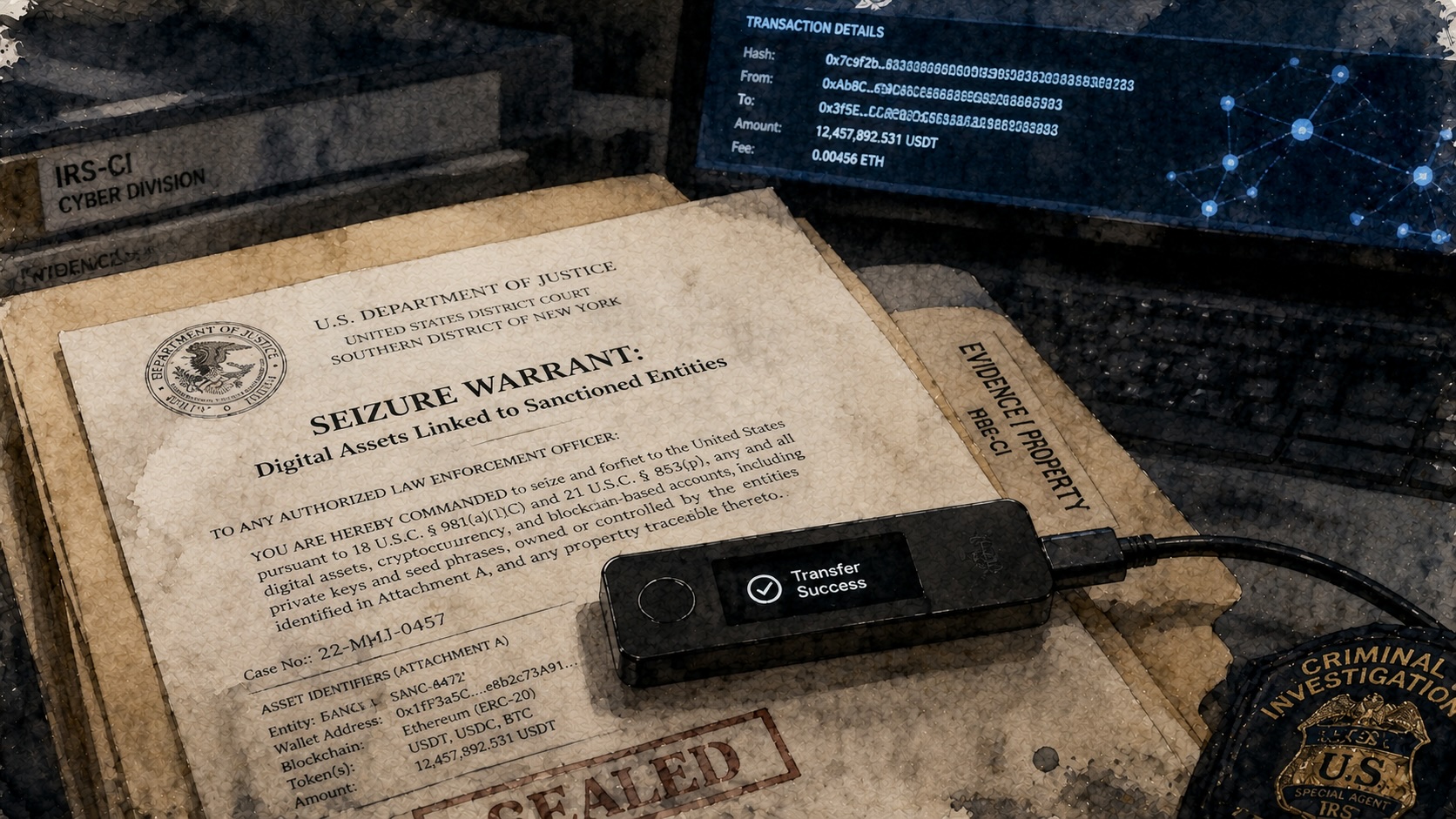
Earlier this month, U.S. authorities seized $225 million linked to pig butchering operations. The Secret Service led this effort, marking their largest crypto seizure ever. The case will test whether banks can be held responsible for failing to spot and report suspicious transfers that enable large-scale crypto fraud.
The content on The Coinomist is for informational purposes only and should not be interpreted as financial advice. While we strive to provide accurate and up-to-date information, we do not guarantee the accuracy, completeness, or reliability of any content. Neither we accept liability for any errors or omissions in the information provided or for any financial losses incurred as a result of relying on this information. Actions based on this content are at your own risk. Always do your own research and consult a professional. See our Terms, Privacy Policy, and Disclaimers for more details.
Articles by this author