Circle drops 20% on yield ban leak; Tether hires Big Four

Circle fell 20% on March 24 after a leaked draft banned passive stablecoin yield, wiping out about $4.6 billion; Tether the same day revealed a Big Four firm will conduct its first full audit.
Circle Internet Group (CRCL) tumbled 20% on March 24, erasing about $4.6 billion in market value. The drop followed circulation of draft language for the Digital Asset Market Clarity Act that would bar platforms from paying passive yield on stablecoin balances. Selling accelerated as Tether announced plans for its first full audit by a Big Four accounting firm and reports surfaced that Circle froze 16 USDC business wallets tied to a U.S. civil case.
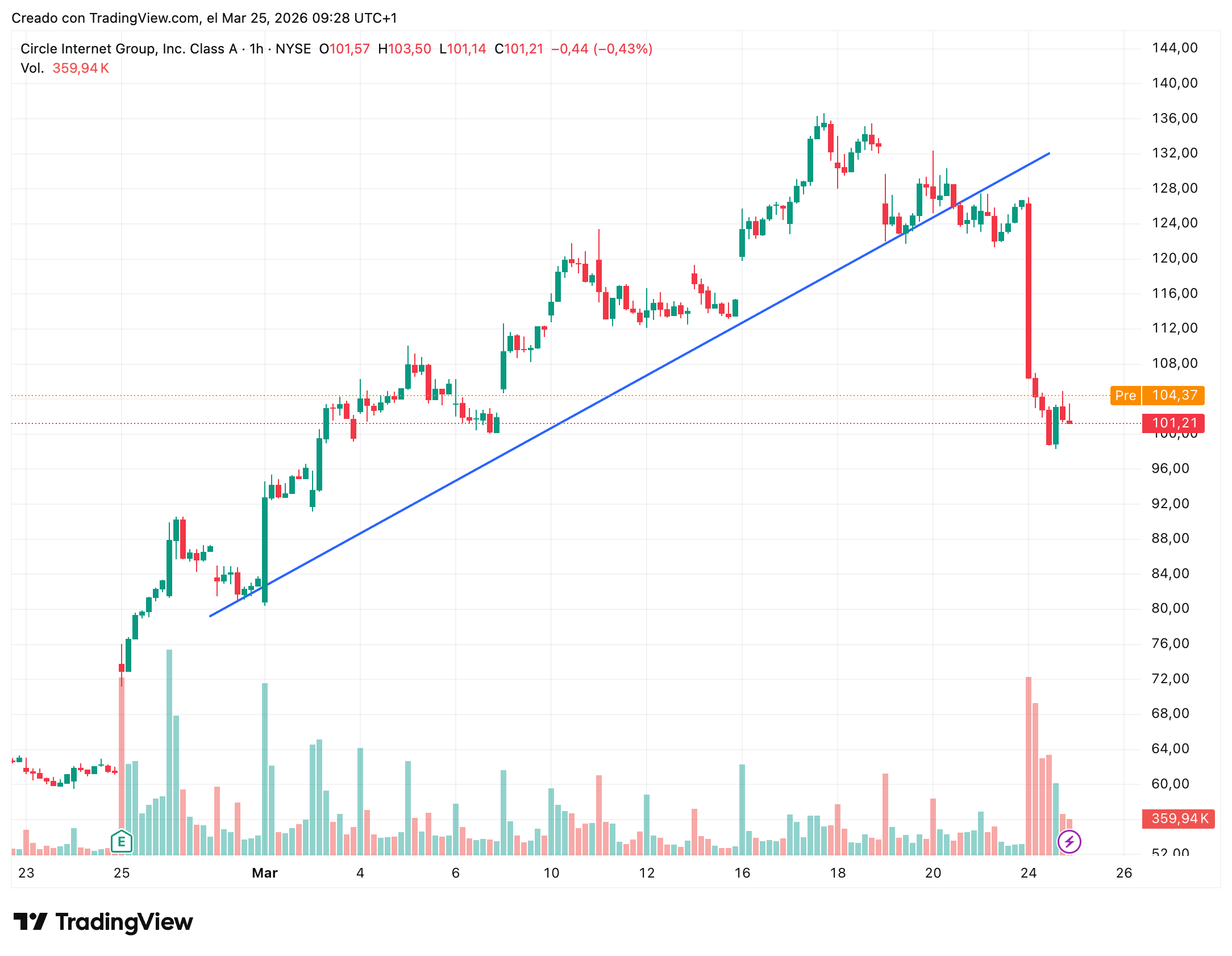
The draft reviewed by industry stakeholders would prohibit platforms, exchanges, and brokers from offering yield on stablecoin balances, allowing only activity-based rewards linked to transactions or governance. In a March 20 announcement, Senators Thom Tillis (R-NC) and Angela Alsobrooks (D-MD) outlined an agreement with the White House that set up a Senate Banking Committee markup targeted for late April. The proposal gives the SEC, CFTC, and Treasury 12 months to craft anti-evasion rules to enforce the restrictions.
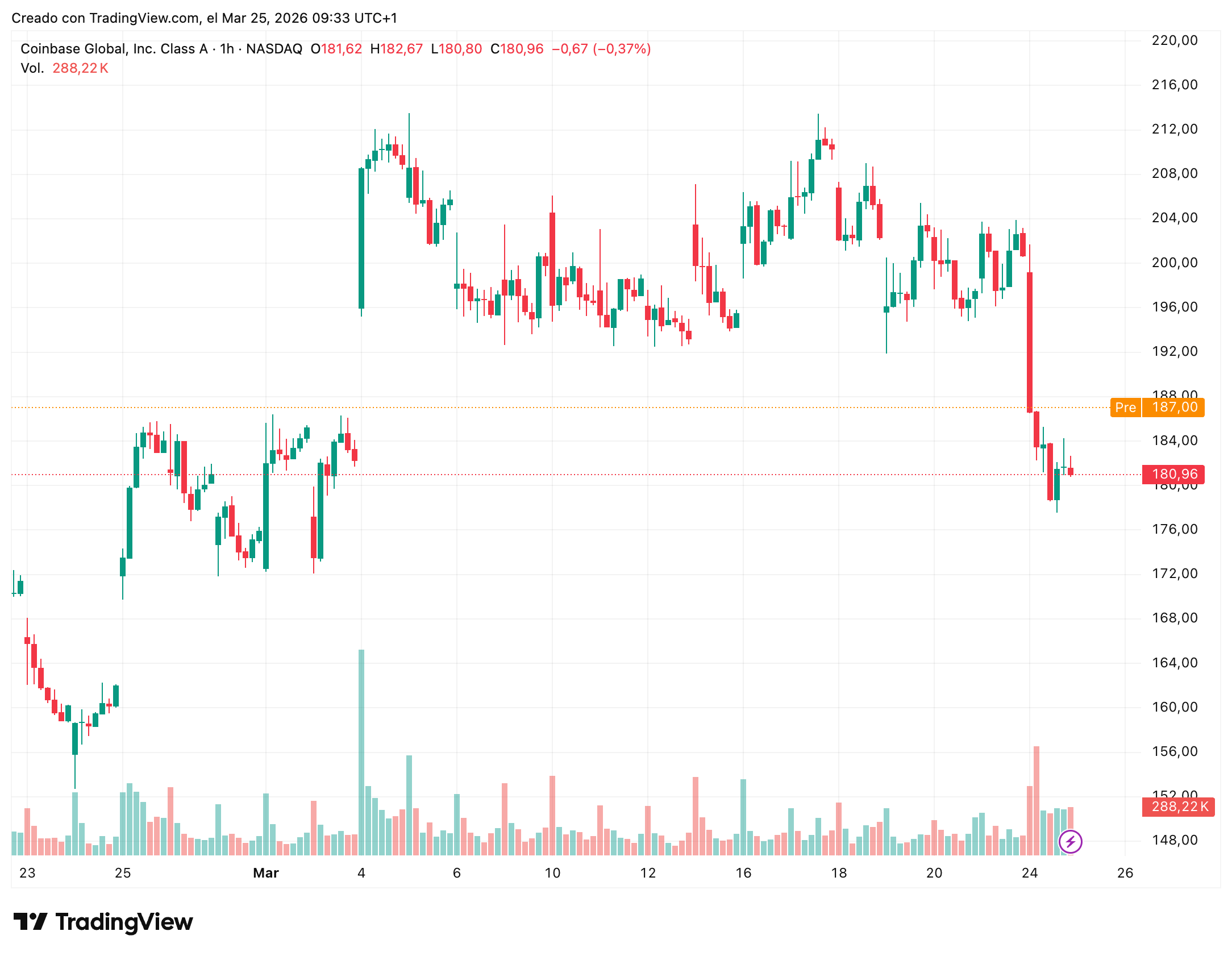
Banks have argued that stablecoin yield programs could speed deposit outflows. Mizuho analyst Dan Dolev warned the ban could weigh on Circle’s near-term use cases. Shares of Coinbase, which generates roughly one-fifth of its revenue from stablecoin-related activity, fell about 10% alongside the sector.
The yield prohibition does not change Circle’s core earnings engine. Circle has reported that 96% of its revenue in the third quarter of 2025 came from interest on USD Coin (USDC) reserves, which are largely invested in U.S. Treasury bills. That share has ranged between 95% and 99% since 2022, based on company filings. The draft targets platforms that pass yield to users; it does not affect the reserve interest Circle collects on USDC.
Before the draft circulated, passive annual percentage yield programs in decentralized finance had increased expectations that issuers or platforms might share more reserve income with holders. “This is massively bullish for Circle. Their entire business model is built on keeping the yield generated by their $USDC supply. The Clarity Act essentially gives them a regulatory moat,” wrote analyst Simon Dedic.
Some investors viewed the stock reaction as outsized given prior negotiating signals that passive yield would not be included in a final deal. Commentator Eleanor Terrett noted that the exclusion had been flagged for months and suggested the Tether audit announcement could be influencing sentiment.
Tether, whose USDT stablecoin holds a market capitalization above $184 billion, disclosed it had engaged a Big Four auditor through a competitive process to conduct an independent audit covering assets, liabilities, and internal controls. The firm was not named. Tether has previously relied on quarterly attestations from BDO Italia; completing a Big Four audit would represent a change in its disclosure practices.
Trading in CRCL drew attention after ARK Invest sold $5.9 million of shares on March 20, four days before the draft language circulated publicly, and then purchased $16.3 million on March 24 after the stock declined. The sequence highlighted active portfolio adjustments around the policy news.
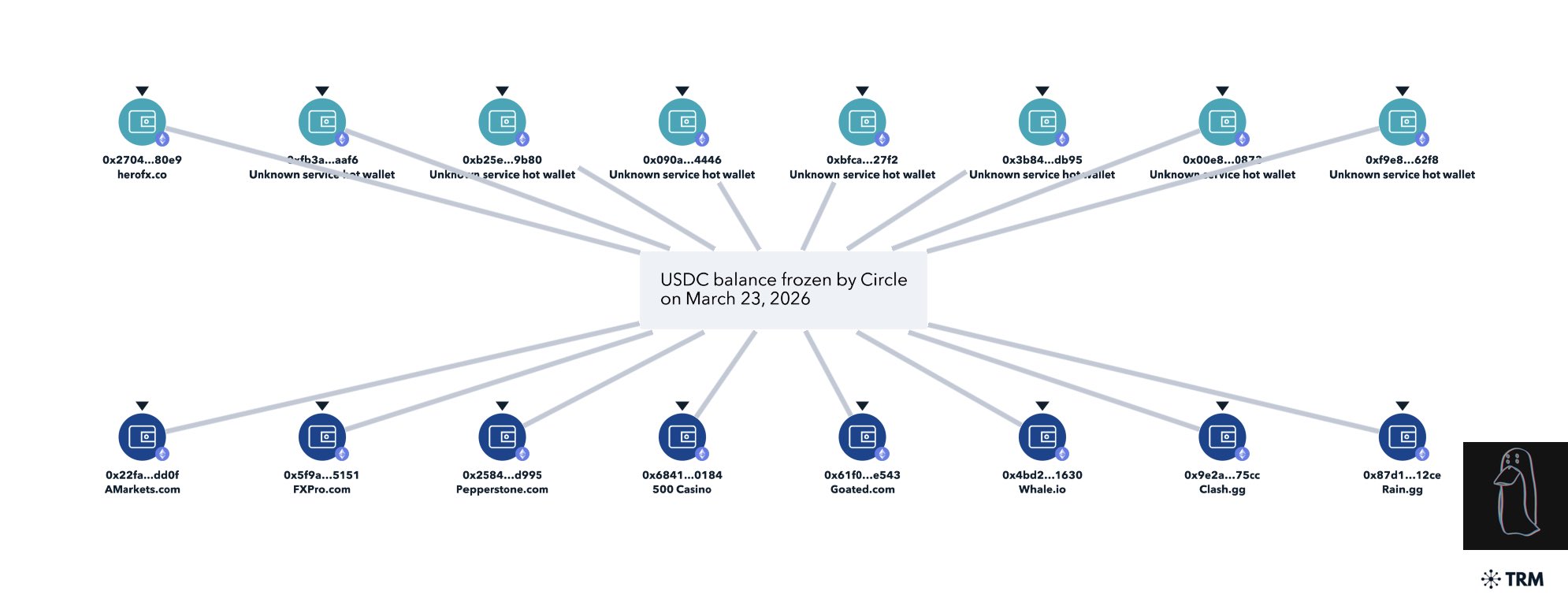
Separately, on-chain researcher ZachXBT reported that Circle froze USDC balances in 16 hot wallets tied to exchanges, casinos, and forex firms in connection with an undisclosed U.S. civil case. He criticized the verification process around the freeze. The actions renewed discussion about centralized blacklisting mechanisms for stablecoins.
Developers in decentralized finance have begun reworking reward designs to align with the activity-based framework described in the draft while awaiting final text. The Senate Banking Committee’s late-April markup and subsequent rulemaking will shape how platforms structure incentives and how stablecoin programs operate without passive yield.
The content on The Coinomist is for informational purposes only and should not be interpreted as financial advice. While we strive to provide accurate and up-to-date information, we do not guarantee the accuracy, completeness, or reliability of any content. Neither we accept liability for any errors or omissions in the information provided or for any financial losses incurred as a result of relying on this information. Actions based on this content are at your own risk. Always do your own research and consult a professional. See our Terms, Privacy Policy, and Disclaimers for more details.
Articles by this author