China orders AI firms to reject U.S. capital without approval
China’s NDRC ordered ByteDance, Moonshot AI and StepFun to refuse U.S.-origin capital in share sales and financing rounds unless Beijing approves.
China’s National Development and Reform Commission has directed ByteDance, Moonshot AI and StepFun to refuse U.S.-origin capital without prior government approval. The instructions, issued in recent weeks, require state clearance for U.S. participation in secondary share sales, funding rounds and other transactions.
The guidance tells ByteDance to block U.S. secondary share sales from proceeding without state approval. It instructs Moonshot AI and StepFun to turn down U.S. capital in financing rounds and deals unless Chinese authorities sign off. The measures cover venture and institutional allocations as well as secondary liquidity for firms with U.S. backers.
ByteDance, TikTok’s parent, has a complex ownership structure and a large pool of U.S. institutional investors; under the guidance, any secondary liquidity that would have gone to U.S. buyers must be routed through Beijing for approval. Moonshot AI, which has been weighing a Hong Kong listing, faces new limits on how it can structure pre-IPO financing and place shares. StepFun, backed by Tencent and focused on multimodal and generative AI, was identified by regulators as one of several strategic AI companies covered by the instructions.
Chinese officials said the orders form part of broader controls on foreign capital flows into companies developing technologies the state considers strategically important. Regulators flagged concerns after an overseas acquisition of a startup with deep mainland engineering ties, an event that prompted Beijing to restrict exits by the target’s co-founders and to review the transaction for possible technology export violations.
Officials indicated the guidance could be formalized into a published regulation in the coming weeks. Regulators have not released a full list of companies covered and have not outlined the process for approving U.S. participation. Investment banks and legal advisers working with affected firms are expected to seek clarifications as talks continue between corporate counsel and government agencies.
Market participants say potential U.S. allocations for IPOs and private placements may shift toward investors in the Middle East, Hong Kong and other markets viewed as acceptable to Beijing. For ByteDance, routing secondary sale proceeds through state approvals could slow transactions and change the timing and structure of liquidity events for early backers.
On related policy concerns, White House science director Michael Kratsios warned that foreign entities operating large-scale campaigns to extract U.S.
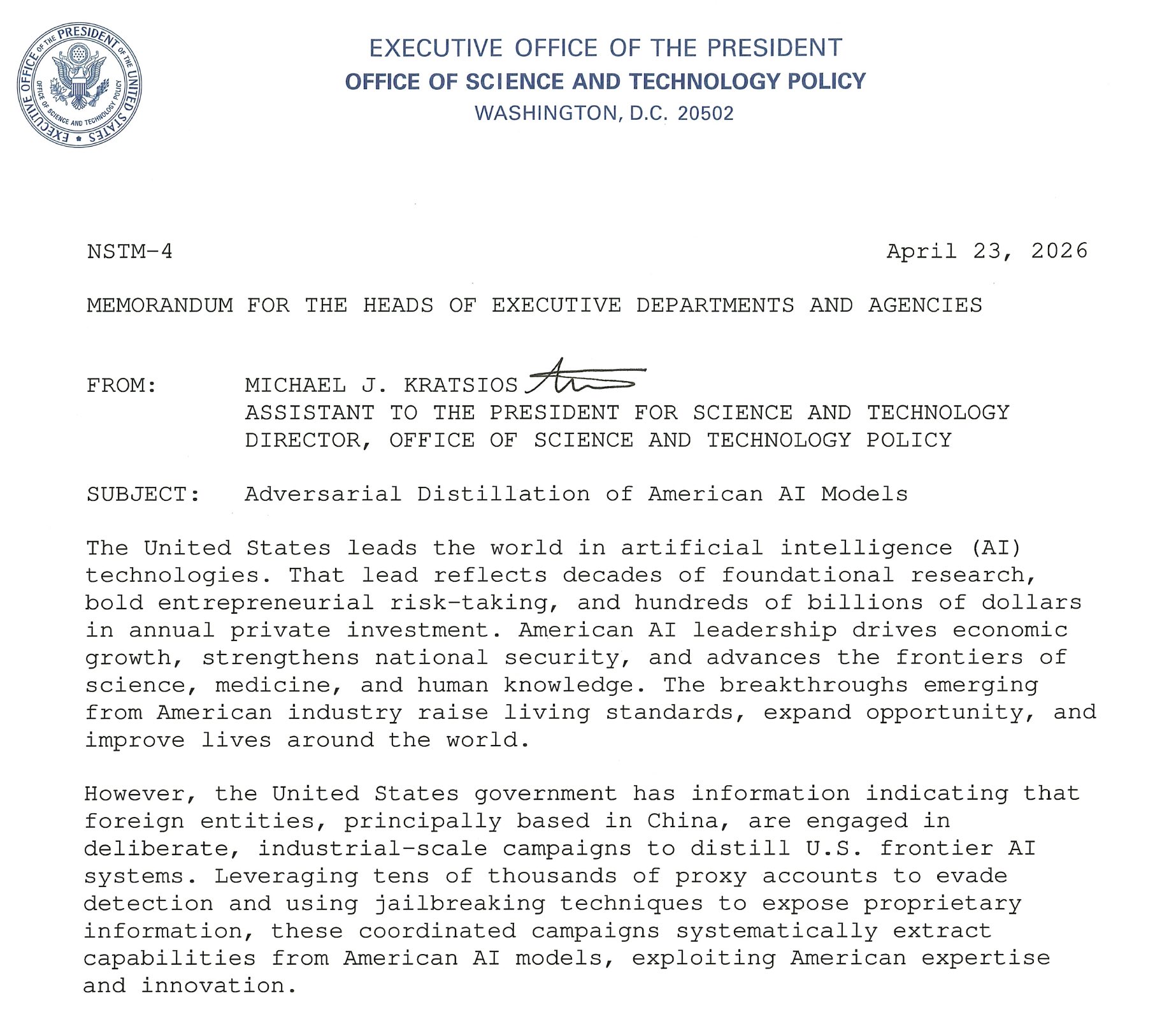
AI models should have “little confidence in the integrity and reliability of the models they produce.” U.S. agencies have indicated plans for stepped-up enforcement against firms that use model distillation and other techniques to recreate proprietary models.
The content on The Coinomist is for informational purposes only and should not be interpreted as financial advice. While we strive to provide accurate and up-to-date information, we do not guarantee the accuracy, completeness, or reliability of any content. Neither we accept liability for any errors or omissions in the information provided or for any financial losses incurred as a result of relying on this information. Actions based on this content are at your own risk. Always do your own research and consult a professional. See our Terms, Privacy Policy, and Disclaimers for more details.
Articles by this author