Canada proposes nationwide ban on crypto ATMs
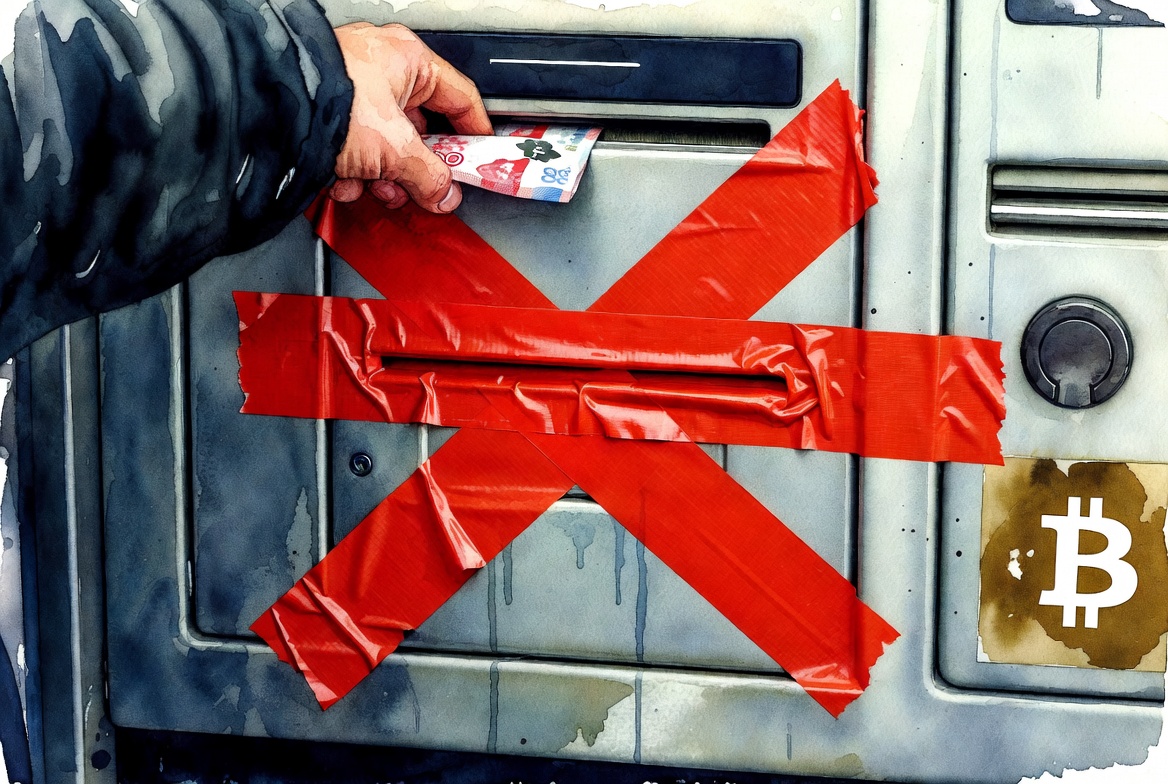
Federal draft rules would make offering, installing or operating crypto ATMs illegal, citing their use in cash-based fraud and money laundering; public consultation is open.
The federal government published a draft proposal to ban cryptocurrency ATMs across Canada, saying the kiosks are frequently used to facilitate fraud and criminal activity.
The proposal describes crypto ATMs as machines that allow rapid, cash-based conversion into digital assets with limited oversight. Federal authorities say scammers and money launderers use the kiosks to receive funds from victims who are told to buy cryptocurrencies and transfer them to criminals.
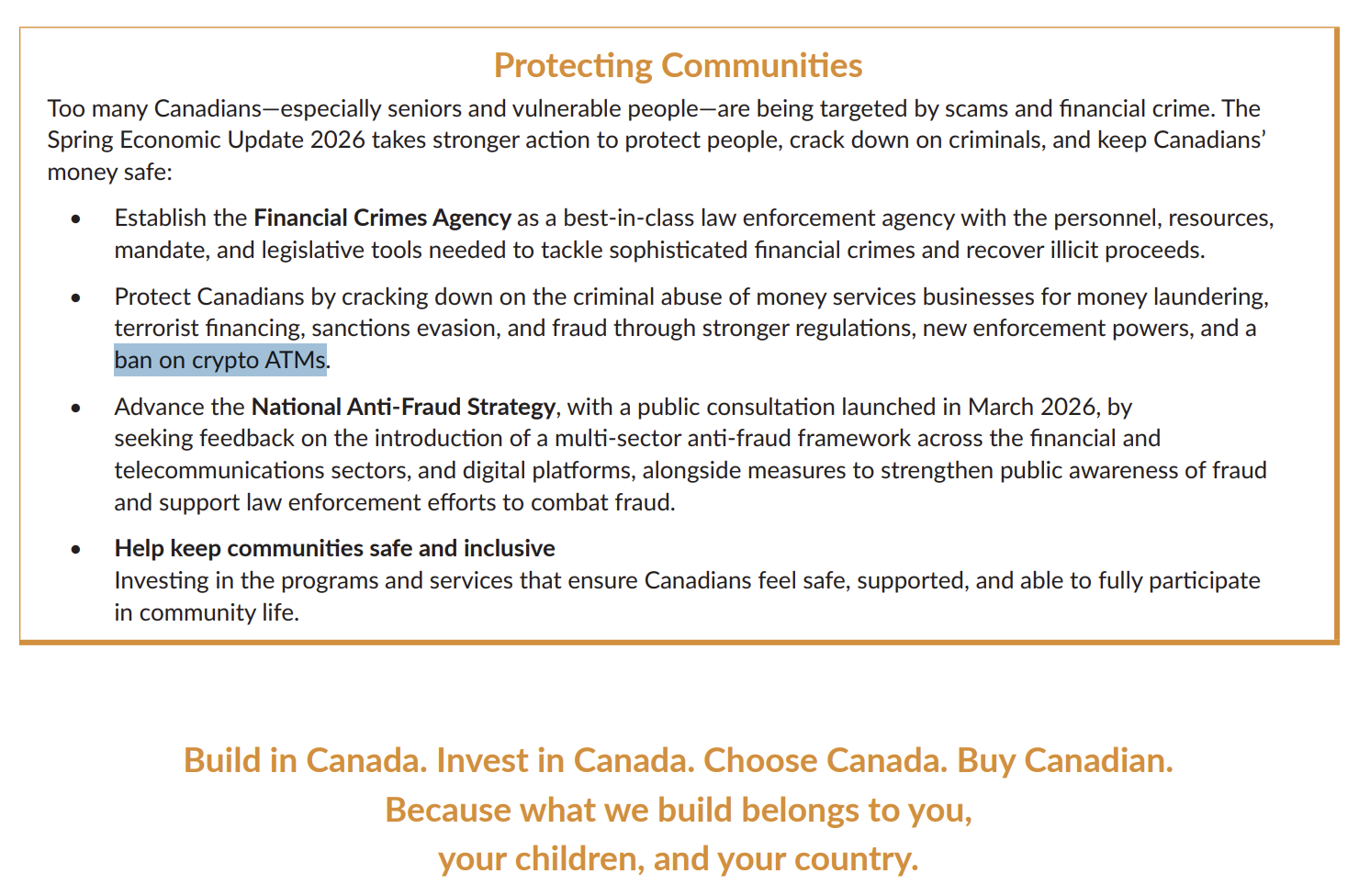
Under the draft rules, offering, installing or operating a crypto ATM would be unlawful. The government indicated the package will include enforcement measures and penalties for operators that do not comply, and it opened a period for public comment on the proposed regulation.
The document highlights features regulators find problematic: cash transactions that leave few records, uneven identity-verification at some kiosks, and fast settlement into crypto assets that can be difficult to freeze or recover. It points to incidents in which those features were used to receive funds from people coerced or deceived into buying cryptocurrency.
The proposal states the machines are a “primary method” used to facilitate fraud and criminal activity, and notes that current rules aimed at virtual-asset service providers do not fully cover unmanned kiosks located in convenience stores, malls and other public places.
Operators have argued crypto ATMs provide access to digital assets for people without bank accounts and can be registered and overseen. The draft frames the ban as a response to persistent criminal use of the kiosks and a gap in enforceable controls rather than a restriction on other cryptocurrency activity.
Crypto ATMs let users buy, and sometimes sell, cryptocurrencies such as Bitcoin for cash or card payments. They differ in how much identity verification they require: low-value transactions can require no ID while larger trades trigger more checks. Canada has expanded oversight of virtual-asset providers in recent years, requiring certain entities to register with the country’s financial intelligence agency and follow anti-money-laundering rules; the new proposal targets unattended cash kiosks specifically.
If the ban is finalized, operators that install and service the machines may be required to remove devices currently in operation. The government said it will consider feedback from stakeholders, including businesses and consumer groups, before producing final legislative text.
The content on The Coinomist is for informational purposes only and should not be interpreted as financial advice. While we strive to provide accurate and up-to-date information, we do not guarantee the accuracy, completeness, or reliability of any content. Neither we accept liability for any errors or omissions in the information provided or for any financial losses incurred as a result of relying on this information. Actions based on this content are at your own risk. Always do your own research and consult a professional. See our Terms, Privacy Policy, and Disclaimers for more details.
Articles by this author