Bill would shift sports prediction markets to state oversight

Sens. Adam Schiff and John Curtis introduced a bill to ban sports event contracts on federally regulated prediction markets and shift oversight of those products from the CFTC to state regulators.
Sens. Adam Schiff (D-Calif.) and John Curtis (R-Utah) on Monday introduced legislation in the Senate to prohibit sports event contracts on federally regulated prediction markets and transfer oversight of those products from the Commodity Futures Trading Commission to state regulators.
The bill would remove sports-related event contracts from the CFTC’s jurisdiction. Platforms that list these markets as financial derivatives would have to stop offering sports contracts under federal rules or seek approvals under state gambling laws.
Event-contract platforms such as Kalshi and Polymarket operate within a federal derivatives framework, while sportsbooks including FanDuel and DraftKings are licensed at the state level under gambling statutes. The split has led to disputes over authority. Regulators in Nevada and Arizona have questioned the legality of sports event derivatives, and Arizona has brought criminal charges against Kalshi. The CFTC has argued in court that event-based contracts fall under its commodity derivatives mandate.
In announcing the bill, Schiff criticized the federal approach, writing,
“The CFTC is greenlighting these markets and even promoting their growth. It’s time for Congress to step in and eliminate this backdoor, which violates state consumer protections.”
If enacted, the measure would set a clearer boundary between financial regulation and gambling supervision for sports outcomes. Companies listing sports contracts under federal oversight would face a choice: halt those markets or adapt to state-by-state requirements. The change could affect where contracts are offered, standard terms, and pricing, and could limit nationwide availability.
Brokers and intermediaries that have integrated sports event contracts may need to review technology builds, geographic filters, and client disclosures to meet state rules. Differences in how states treat sports compared with other event categories could fragment product menus and increase compliance work.
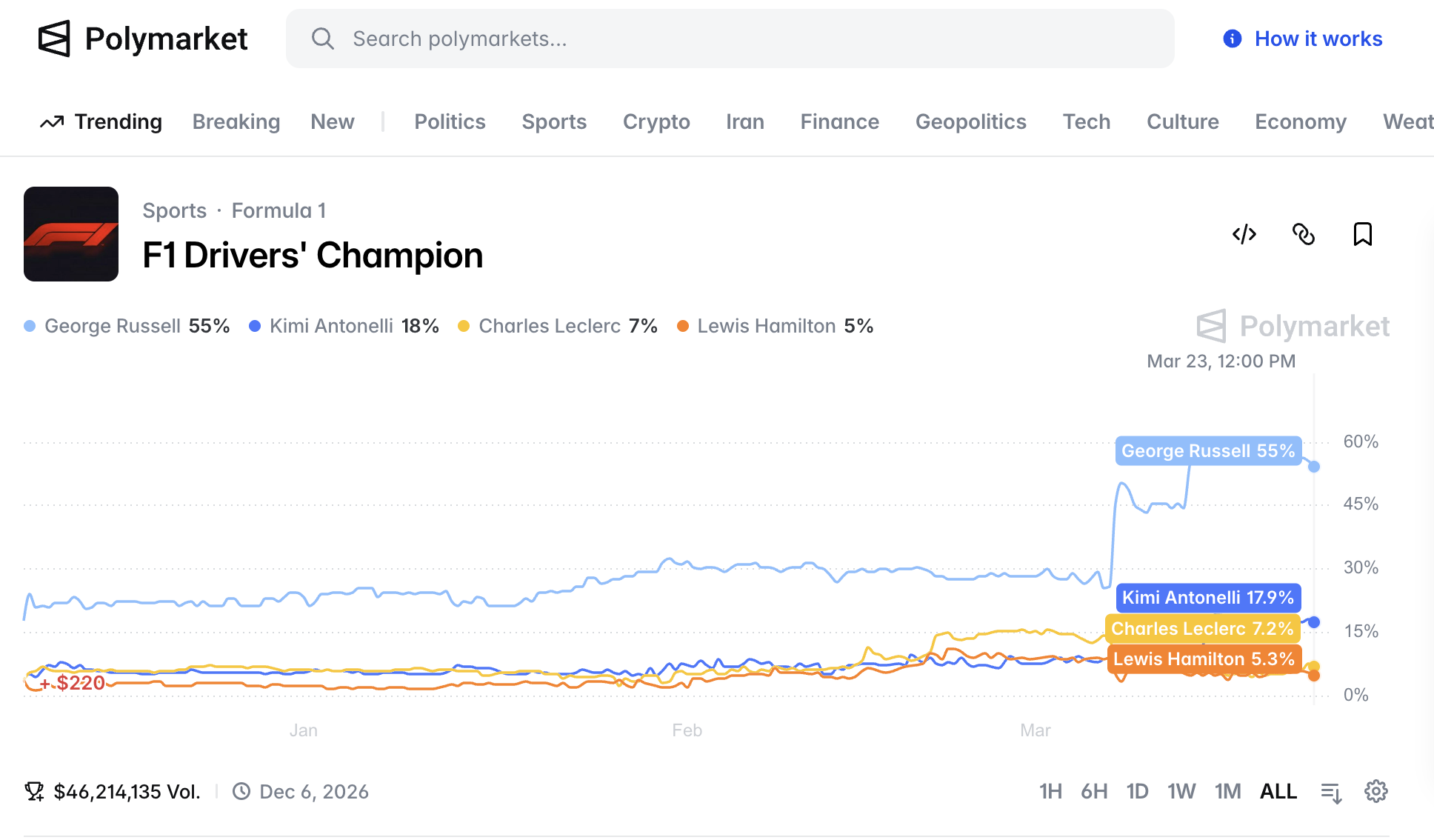
The proposal arrives as parts of the sector adopt more formal controls. Recent arrangements involving Major League Baseball, Polymarket, and the CFTC have brought in licensed data feeds, contract limits, and closer coordination with authorities.
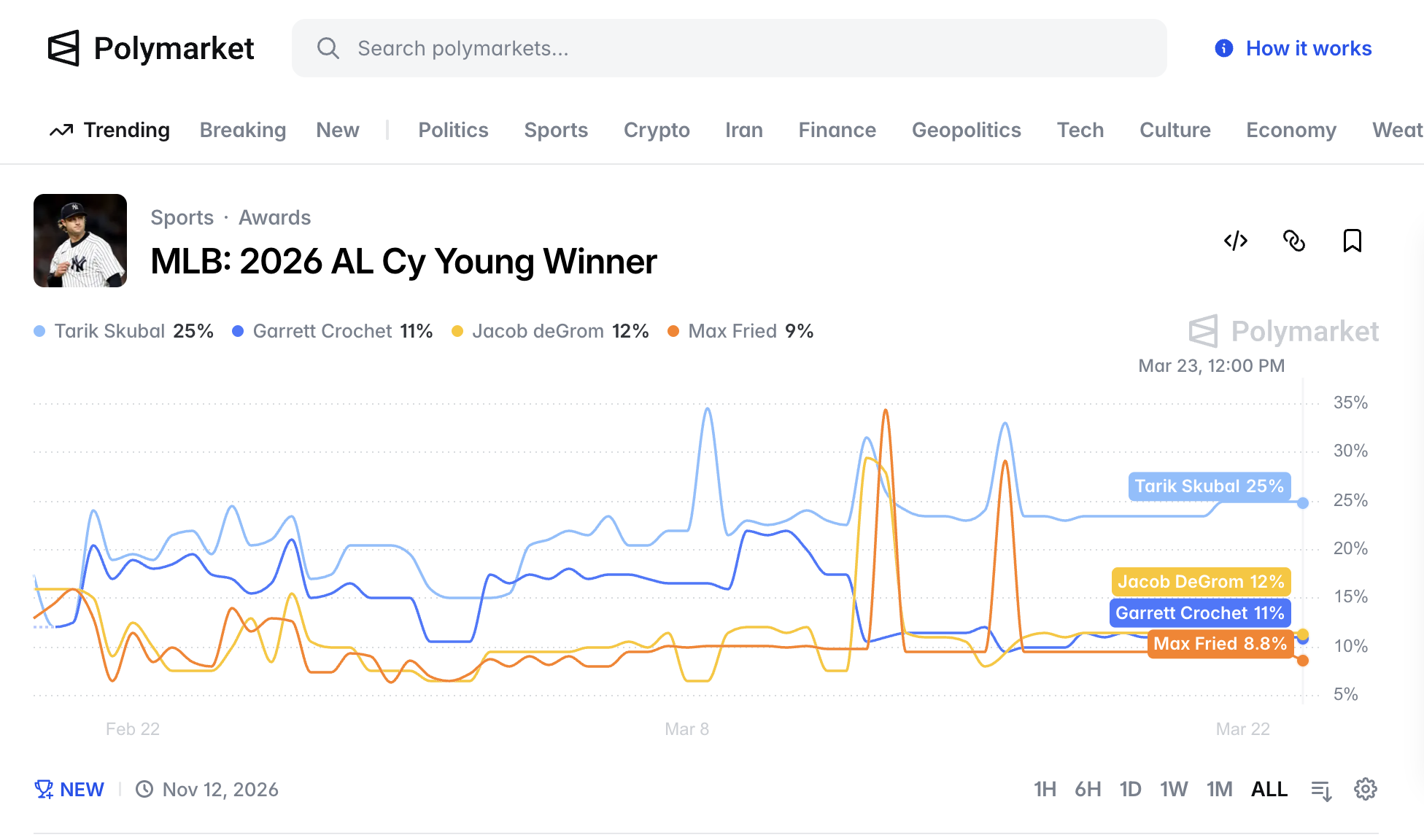
Although the bill focuses on sports, the jurisdiction debate around event-based markets extends to contracts tied to politics, macroeconomic indicators, and corporate outcomes. Market participants are watching for details on any transition period, treatment of existing positions, and whether non-sports event markets could face related reviews.
The content on The Coinomist is for informational purposes only and should not be interpreted as financial advice. While we strive to provide accurate and up-to-date information, we do not guarantee the accuracy, completeness, or reliability of any content. Neither we accept liability for any errors or omissions in the information provided or for any financial losses incurred as a result of relying on this information. Actions based on this content are at your own risk. Always do your own research and consult a professional. See our Terms, Privacy Policy, and Disclaimers for more details.
Articles by this author