Bessent defends temporary energy pain as U.S. eases Iran oil and strikes targets
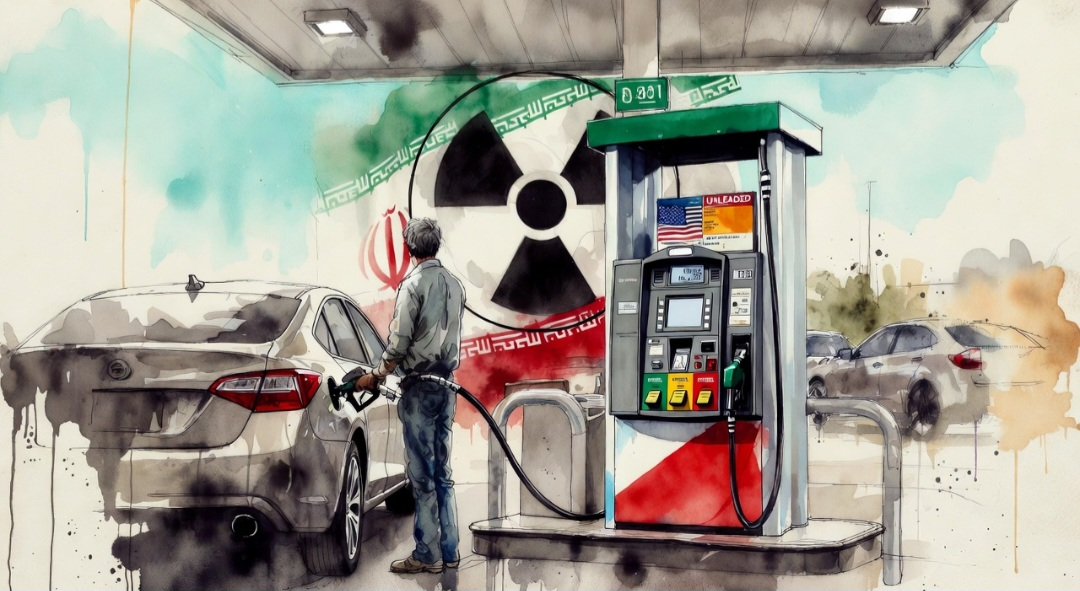
Treasury Secretary Scott Bessent defended easing Iran oil sanctions and supporting U.S. strikes, saying about 140 million stranded barrels will reach markets to relieve near-term energy pressures.
Treasury Secretary Scott Bessent on Sunday defended the relaxation of some Iran oil sanctions and U.S. strikes on Iranian infrastructure, presenting both as measures to manage energy costs during a 21-day conflict.
He explained that last week the Treasury Department adjusted restrictions to permit the sale of Iranian crude that had been held offshore, estimating roughly 140 million barrels could reach global markets to ease short-term supply tightness.
A timeline for consumer price relief was not provided. “50 days of temporary elevated prices, prices will come off on the other side for 50 years of not having an Iranian regime with a nuclear weapon,” he said.
Critics questioned whether permitting sales benefits Tehran. Bessent argued the cargoes were already bound for China at discounted prices and maintained that authorizing transactions can pressure global benchmarks. He described the strategy as “jujitsuing the Iranians” by “turning their own oil against them.”
Prices stayed firm early Monday. At 5:15 a.m. ET, Brent crude traded 1.97% higher at $108.51 a barrel. Average U.S. gasoline prices were $3.956 a gallon and diesel $5.81, according to AAA.
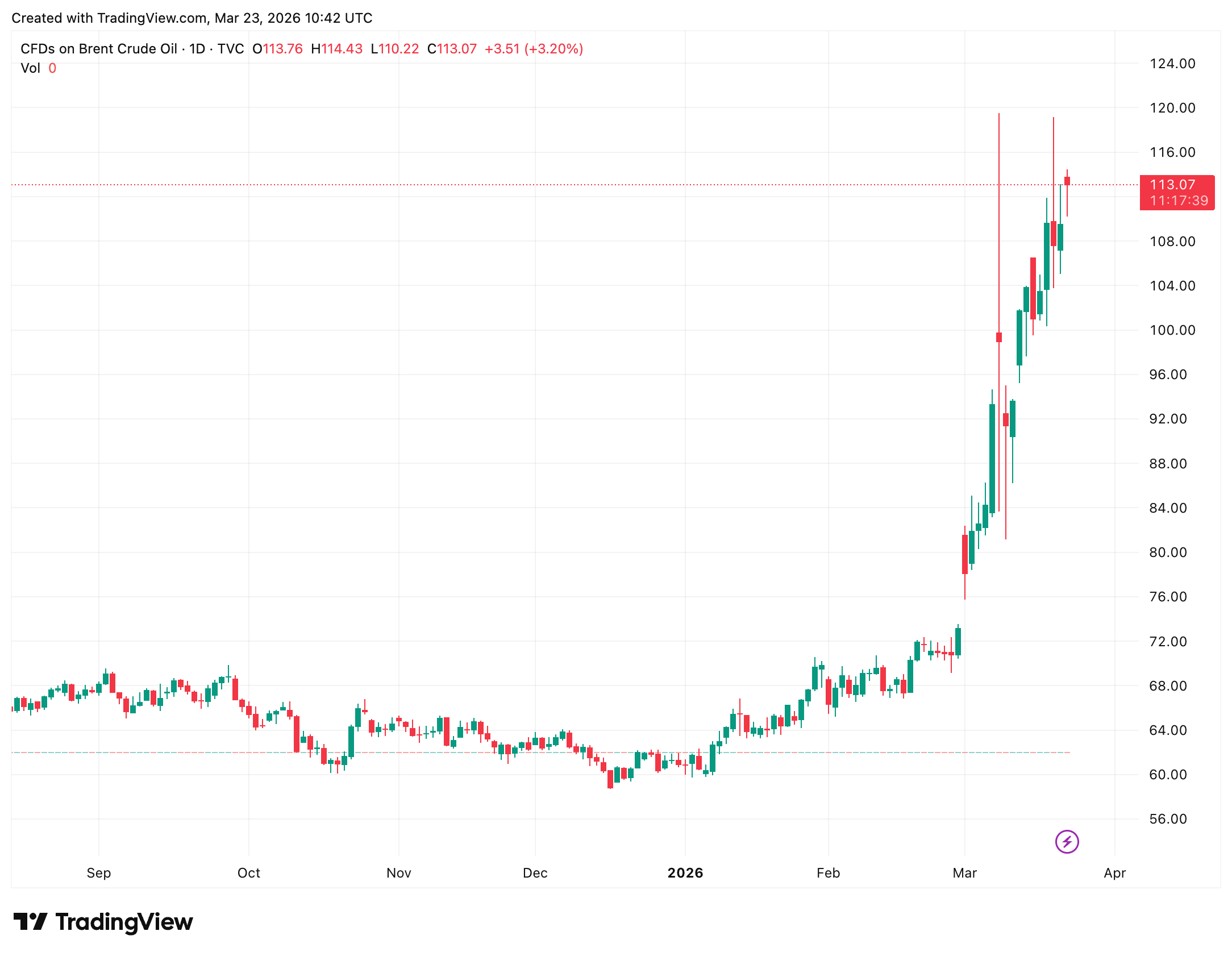
On the military campaign, Bessent called strikes on Iranian infrastructure successful and indicated President Donald Trump is leaving “all options on the table.” In his view, heightened pressure can serve as a prerequisite for de-escalation and reflects warnings he described as the “only” language “the Iranians understand.” The standoff has raised questions about a potential shift from air and sea pressure to physically controlling a key export route, after Trump warned Iran to reopen the Strait of Hormuz or face U.S. strikes on power plants.
Bessent framed the sanctions relaxation as part of a broader effort to stabilize energy costs while the administration pursues its security objectives. He added that the anticipated release of roughly 140 million barrels is intended to address temporary supply pressures linked to the conflict, which has triggered rapid repricing across commodities, equities, and bonds.
The content on The Coinomist is for informational purposes only and should not be interpreted as financial advice. While we strive to provide accurate and up-to-date information, we do not guarantee the accuracy, completeness, or reliability of any content. Neither we accept liability for any errors or omissions in the information provided or for any financial losses incurred as a result of relying on this information. Actions based on this content are at your own risk. Always do your own research and consult a professional. See our Terms, Privacy Policy, and Disclaimers for more details.
Tags
Articles by this author