Iran lifts Hormuz curbs for Iraq, up to 3M bpd at stake
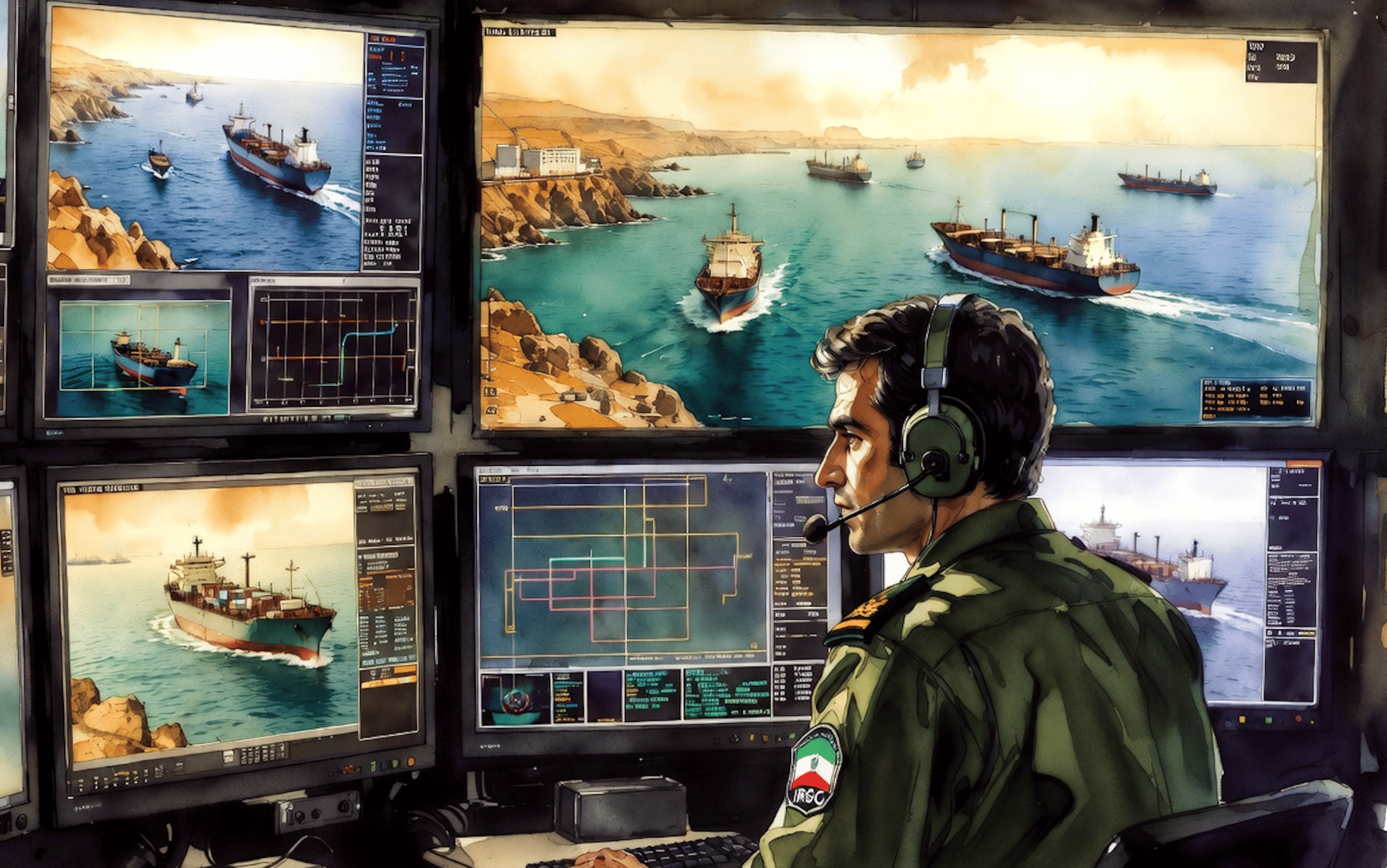
Iran on April 5 exempted Iraq from Strait of Hormuz transit limits, potentially restoring up to 3 million barrels a day of Iraqi oil exports if ships and insurers re-enter the route.
Iran on April 5 exempted Iraq from its Strait of Hormuz transit curbs, opening a path for as much as 3 million barrels a day of Iraqi crude to return to global markets. The change comes after weeks of conflict that has disrupted energy flows and shipping across the region.
Iran’s Khatam al-Anbiya Central Headquarters stated that restrictions at the waterway remain for “enemy countries” but not for Iraq. In an Arabic-language video carried by state media, a military spokesman declared, “Brotherly Iraq is exempt from any restrictions we have imposed on the Strait of Hormuz,” and offered thanks for Iraqi support since fighting began in late February.
Iraq’s oil sector has been heavily affected. Exports averaged 99,000 barrels a day in March, down about 97% from roughly 3.4 million barrels a day before late-February hostilities. The Oil Ministry reported output fell to about 1.2 million barrels a day from 4.3 million barrels a day. Oil income provides around 90% of state revenue. Iraq ranked as the world’s sixth-largest oil producer in 2023 and the second-largest in OPEC.
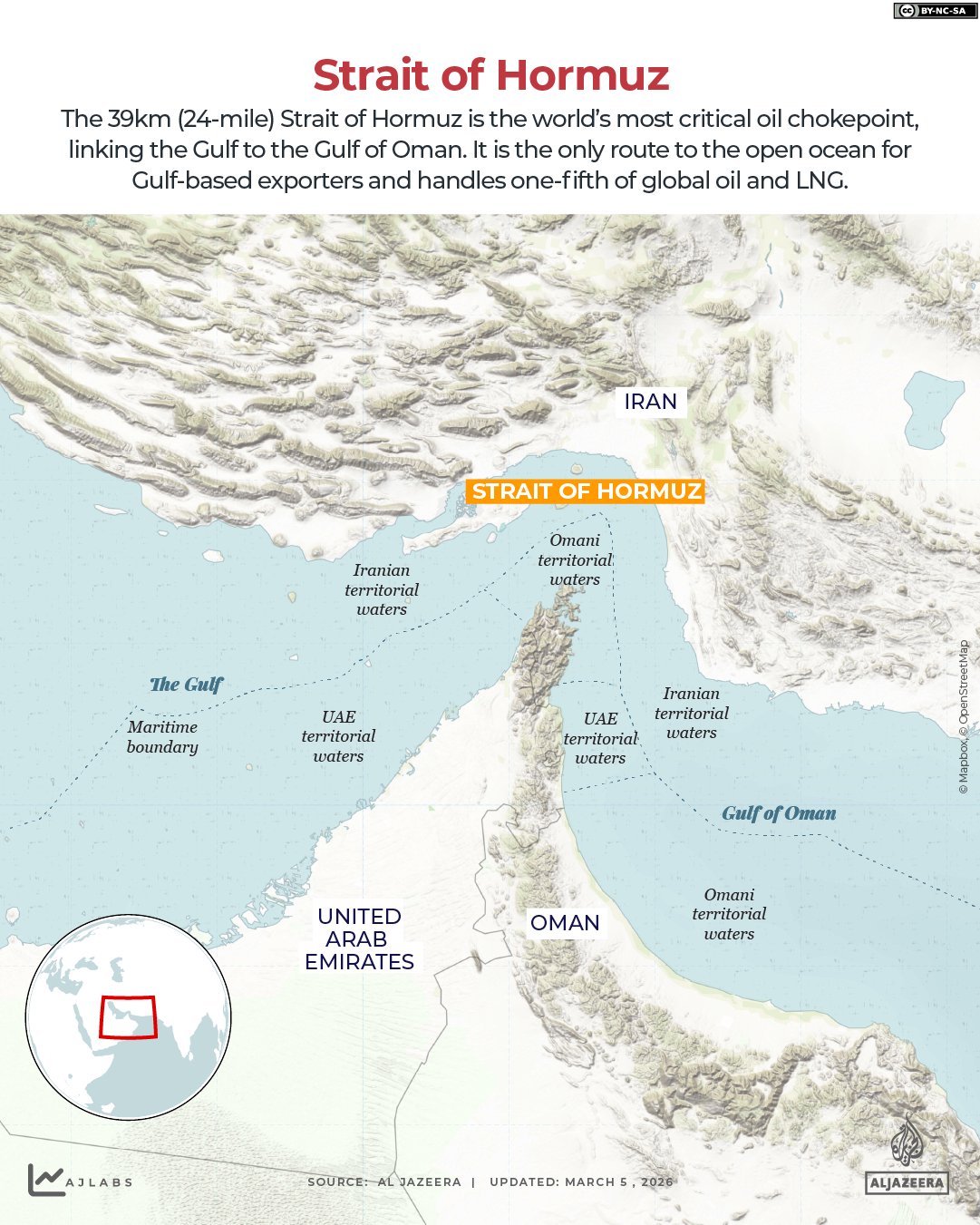
Whether the exemption leads to immediate loadings remains uncertain. An Iraqi official cautioned that tanker owners and insurers must be willing to enter the strait. The scope of the waiver has not been clarified, including whether it covers all Iraqi-origin cargoes or only Iraqi-flagged vessels, and how screening would work. Producers would still need time to restart wells and restore curtailed output.
In recent weeks, Iran has granted limited passage to countries it terms friendly, including China, Russia, India, Pakistan, Malaysia, the Philippines, and Thailand. Even with those allowances, shipping through the Strait of Hormuz remains more than 90% below late-February levels. There were 53 transits last week, up from 36 the week before and the highest since the fighting began. Crossings included a French container ship and a Japanese-owned tanker, the first linked to those countries since late February.
Oil markets remain tight. Brent crude has traded above $109 a barrel in recent days. The Strait of Hormuz is the main outlet for Persian Gulf producers and typically carries about one-fifth of global oil and liquefied natural gas shipments. Disruptions have increased freight and insurance costs and prompted rerouting of some cargoes.
Tehran framed the Iraq decision as a distinction between allies and adversaries. The spokesman, speaking in Arabic, highlighted shared ties. The two countries maintain deep economic links, and Iraq relies on Iranian natural gas for power generation.
Political rhetoric added to the backdrop. Former U.S. President Donald Trump warned in a social media post that “all hell” would follow within 48 hours if Iran did not meet his demands. Iran’s military headquarters dismissed the post as a “helpless, nervous, unbalanced and stupid action,” and did not indicate a broader reopening beyond stated exemptions.
Shipping companies and traders are watching for Iraqi-flagged or chartered tankers to begin forming loading programs at southern terminals and for insurers to offer cover on terms that make voyages economic. Any sustained recovery would first appear in vessel tracking through the corridor linking the Gulf to the Arabian Sea, followed by a pickup in observed loadings.
The content on The Coinomist is for informational purposes only and should not be interpreted as financial advice. While we strive to provide accurate and up-to-date information, we do not guarantee the accuracy, completeness, or reliability of any content. Neither we accept liability for any errors or omissions in the information provided or for any financial losses incurred as a result of relying on this information. Actions based on this content are at your own risk. Always do your own research and consult a professional. See our Terms, Privacy Policy, and Disclaimers for more details.
Tags
Articles by this author