WTI holds above $100 as Trump keeps Iran option open
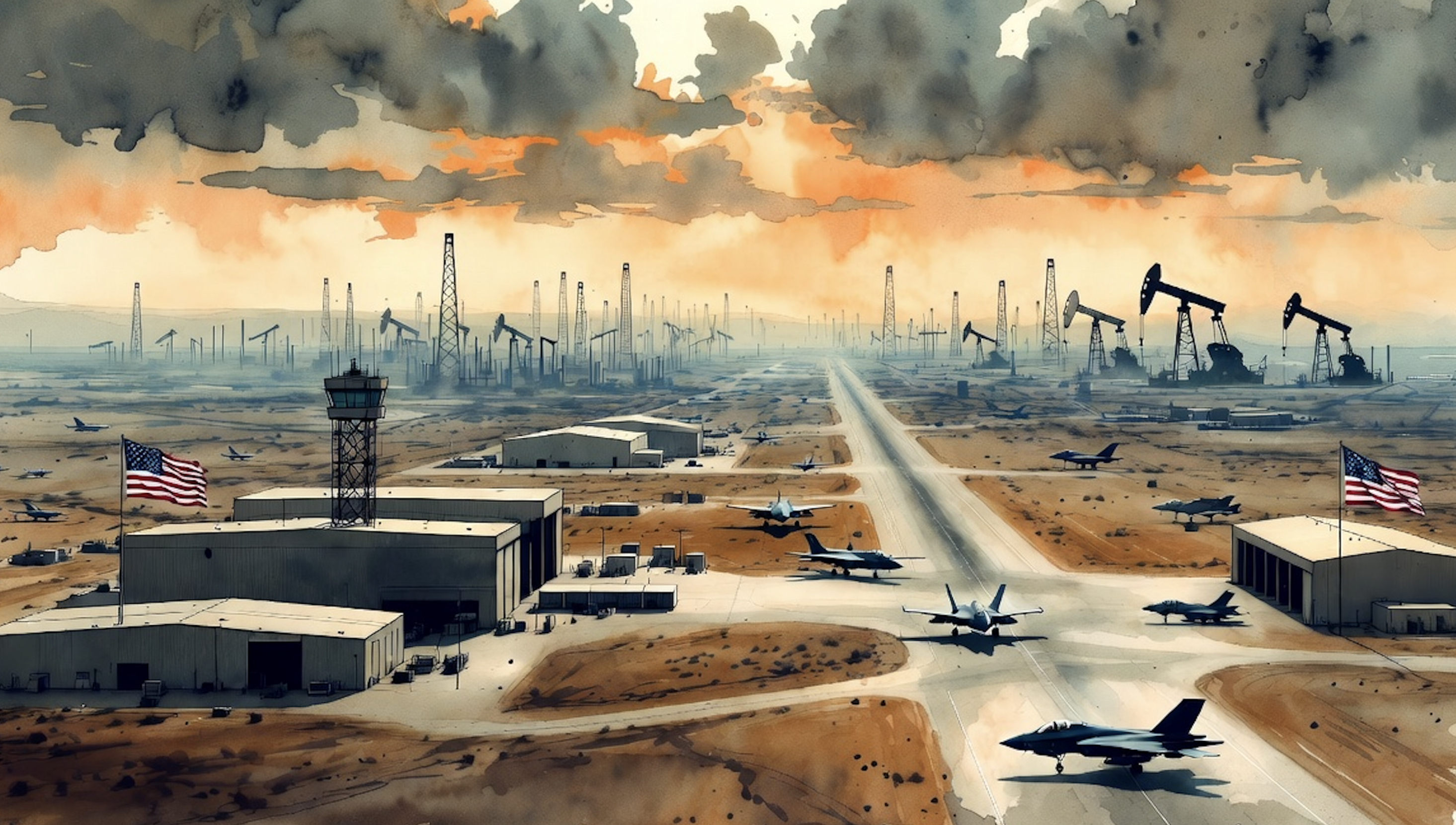
WTI trades above $100 after a $101.40 peak as Trump keeps a Kharg Island seizure on the table; Yemeni Houthis fire missiles at Israel and Kuwait reports an Iranian strike on a utility plant.
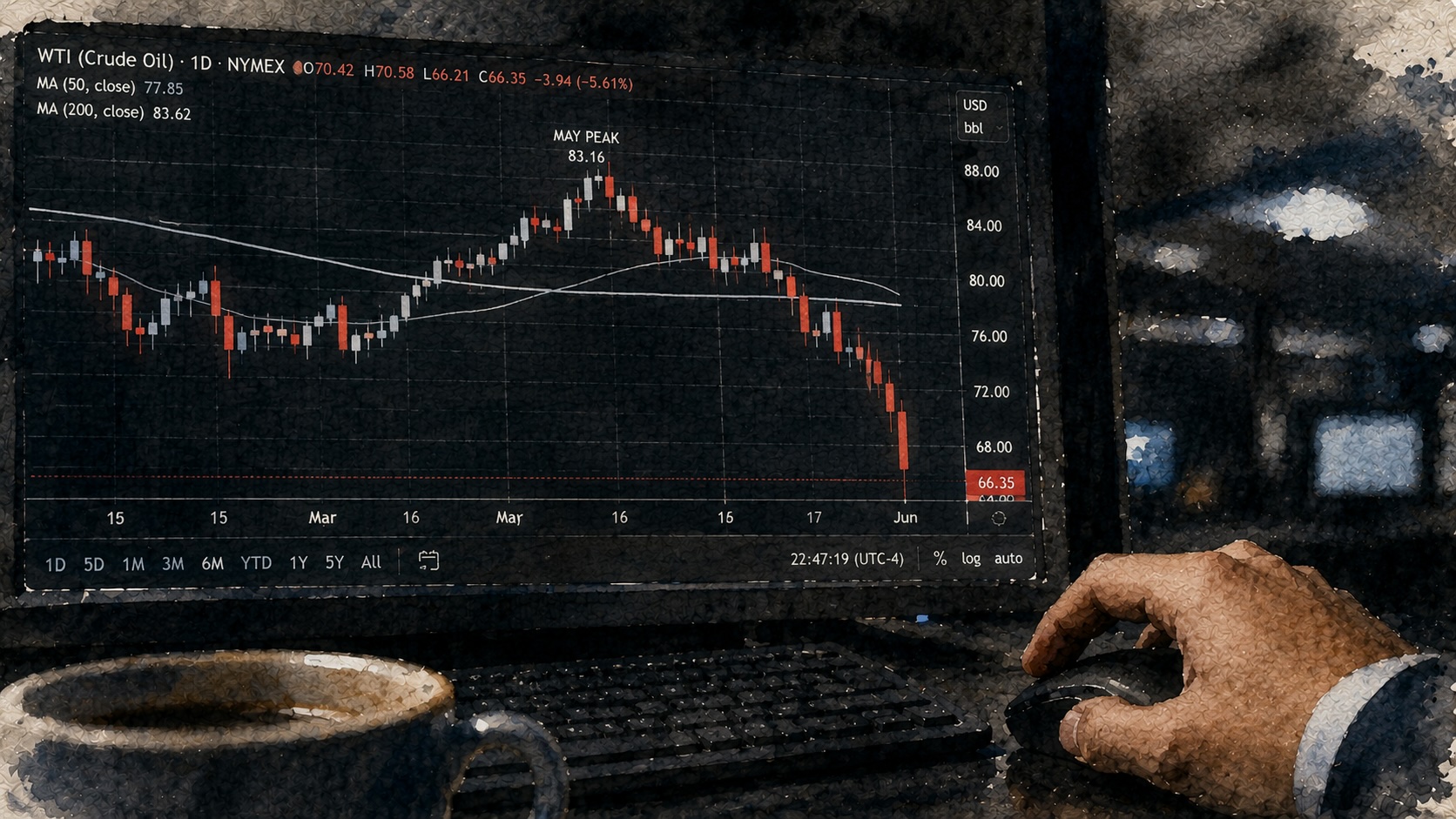
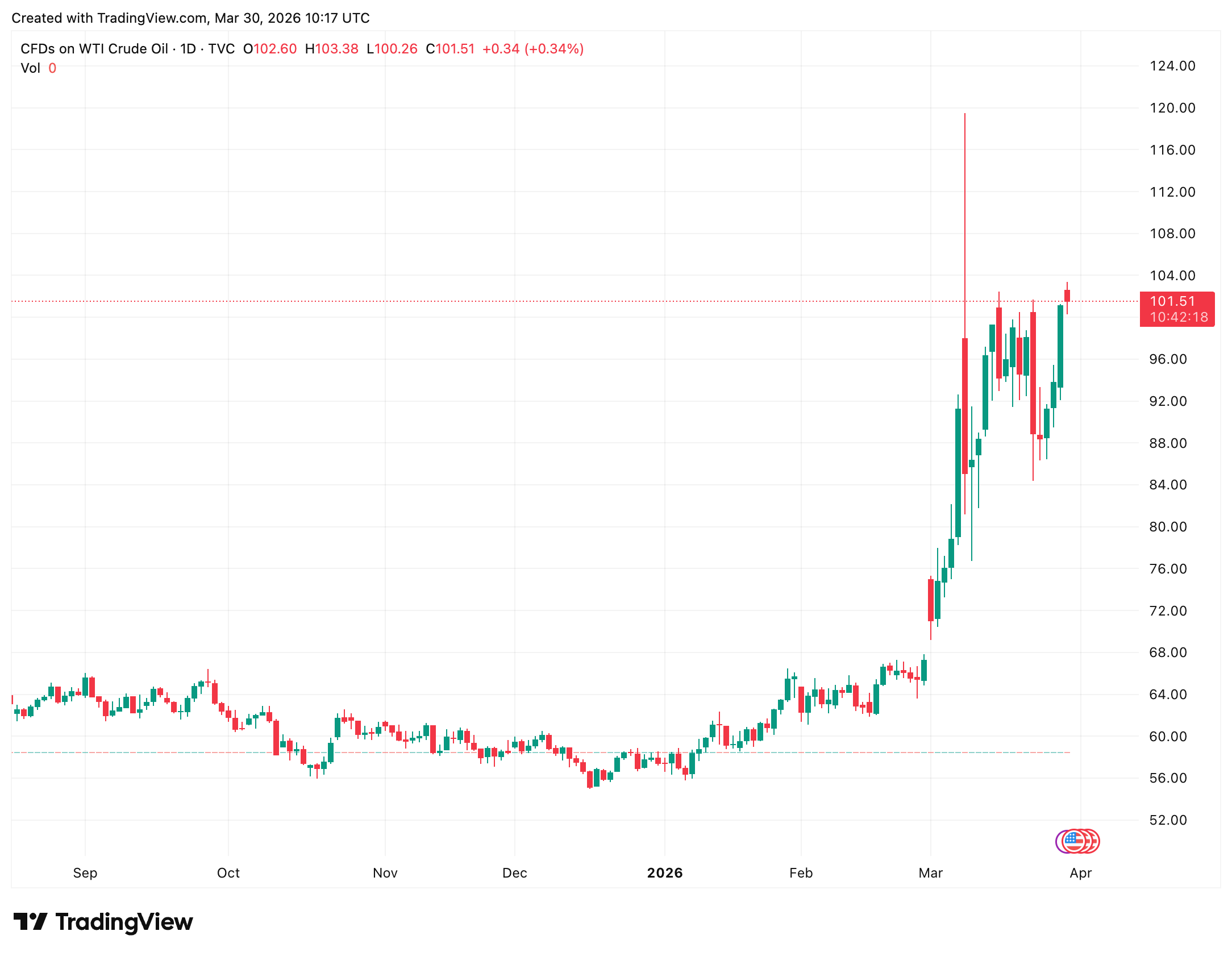
West Texas Intermediate crude held above $100 per barrel on Monday after an early-session spike to $101.40, as the United States weighed options on Iran and fresh threats emerged along key Middle East shipping lanes.
Prices eased from a three-week high at the start of Asian trading but stayed supported near the $100 area. Traders monitored mixed signals from Washington and new security incidents that could affect oil flows.
In an interview Monday, President Donald Trump kept the option of seizing Iran’s Kharg Island “on the table,” adding that such an operation would mean “we had to be there for a while.” He described contacts with Tehran as including direct and indirect talks and characterized Iran’s new leadership as “very reasonable.” He also noted that Iran let 20 “big boats of oil” pass through the Strait of Hormuz “in a sign of respect.”
Iranian authorities rejected the U.S. stance, accusing Washington of discussing talks while preparing an invasion. They warned that any campaign would turn into a “bloodbath for the U.S.”
Earlier in the day, officials in Pakistan indicated plans to facilitate talks involving the United States and Israel. That development trimmed prices briefly before buying interest returned on renewed regional risks.
Over the weekend, Houthi forces in Yemen launched missiles at Israel and threatened to close the Bab el-Mandeb, the narrow strait that connects the Red Sea and the Gulf of Aden. Any restriction there could slow or reroute tankers moving between the Indian Ocean and the Suez Canal corridor.
Separately, authorities in Kuwait reported an Iranian strike on a power and water desalination plant that killed an Indian worker and caused major damage.
Energy markets track both the Strait of Hormuz and Bab el-Mandeb because they are chokepoints for crude and refined product shipments. Hormuz is the primary exit for Gulf producers, while Bab el-Mandeb links flows from the Arabian Sea to Europe and the Mediterranean. Threats to either route can affect freight, transit times, and spot pricing.
After the intraday high at $101.40, futures pulled back but held firm, reflecting supply concerns tied to possible U.S. action, prospects for mediated contacts, and weekend hostilities. Pricing also incorporated the risk that further escalations could disrupt infrastructure or shipping schedules.
WTI is a light, sweet U.S. crude grade delivered through the Cushing, Oklahoma, hub. Its futures contract is widely used to hedge exposure and track market sentiment on U.S. and global oil supply.
The content on The Coinomist is for informational purposes only and should not be interpreted as financial advice. While we strive to provide accurate and up-to-date information, we do not guarantee the accuracy, completeness, or reliability of any content. Neither we accept liability for any errors or omissions in the information provided or for any financial losses incurred as a result of relying on this information. Actions based on this content are at your own risk. Always do your own research and consult a professional. See our Terms, Privacy Policy, and Disclaimers for more details.
Tags
Articles by this author