WikiEXPO Hong Kong 2026: crypto builders at Asia’s financial crossroads
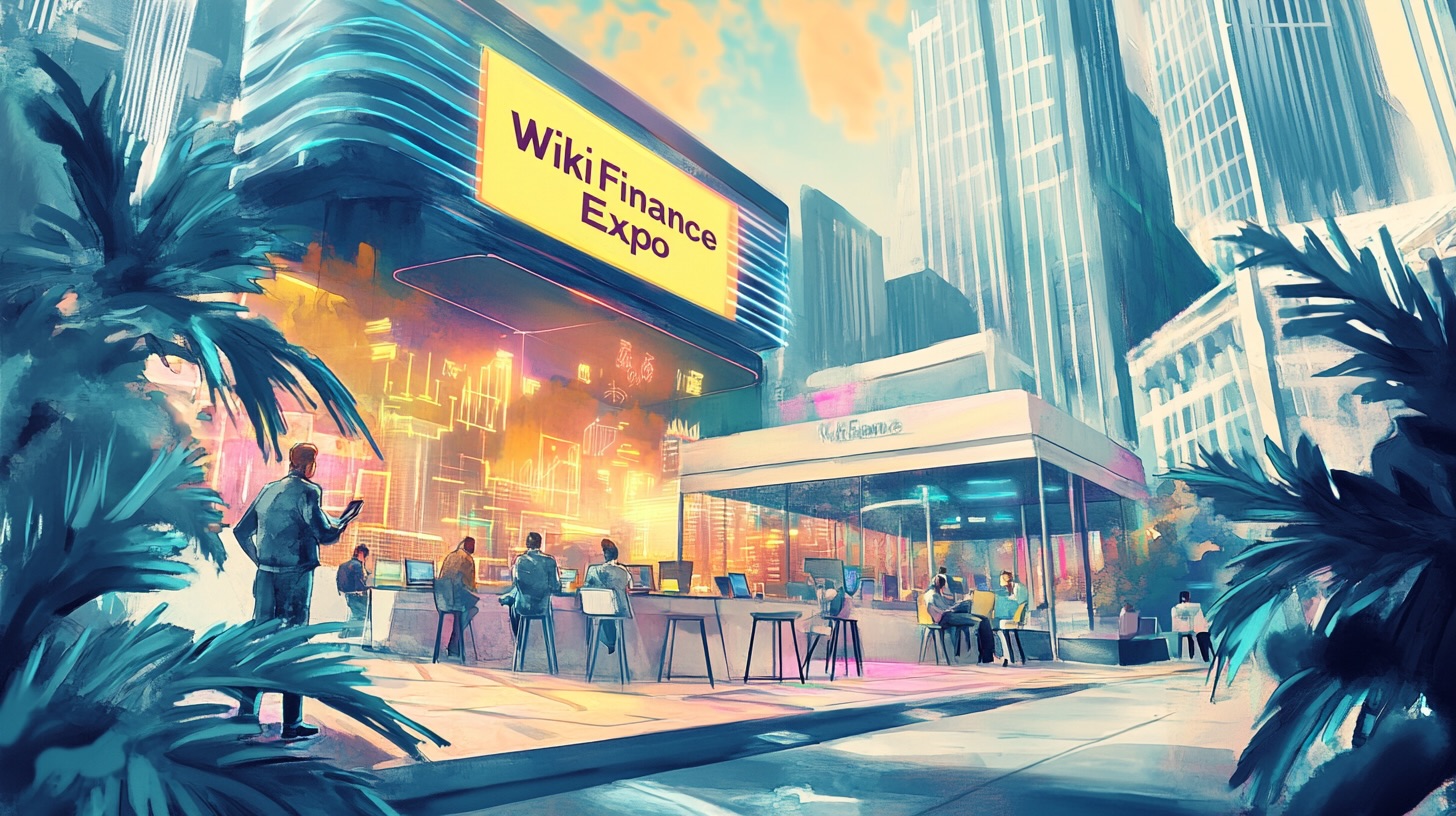
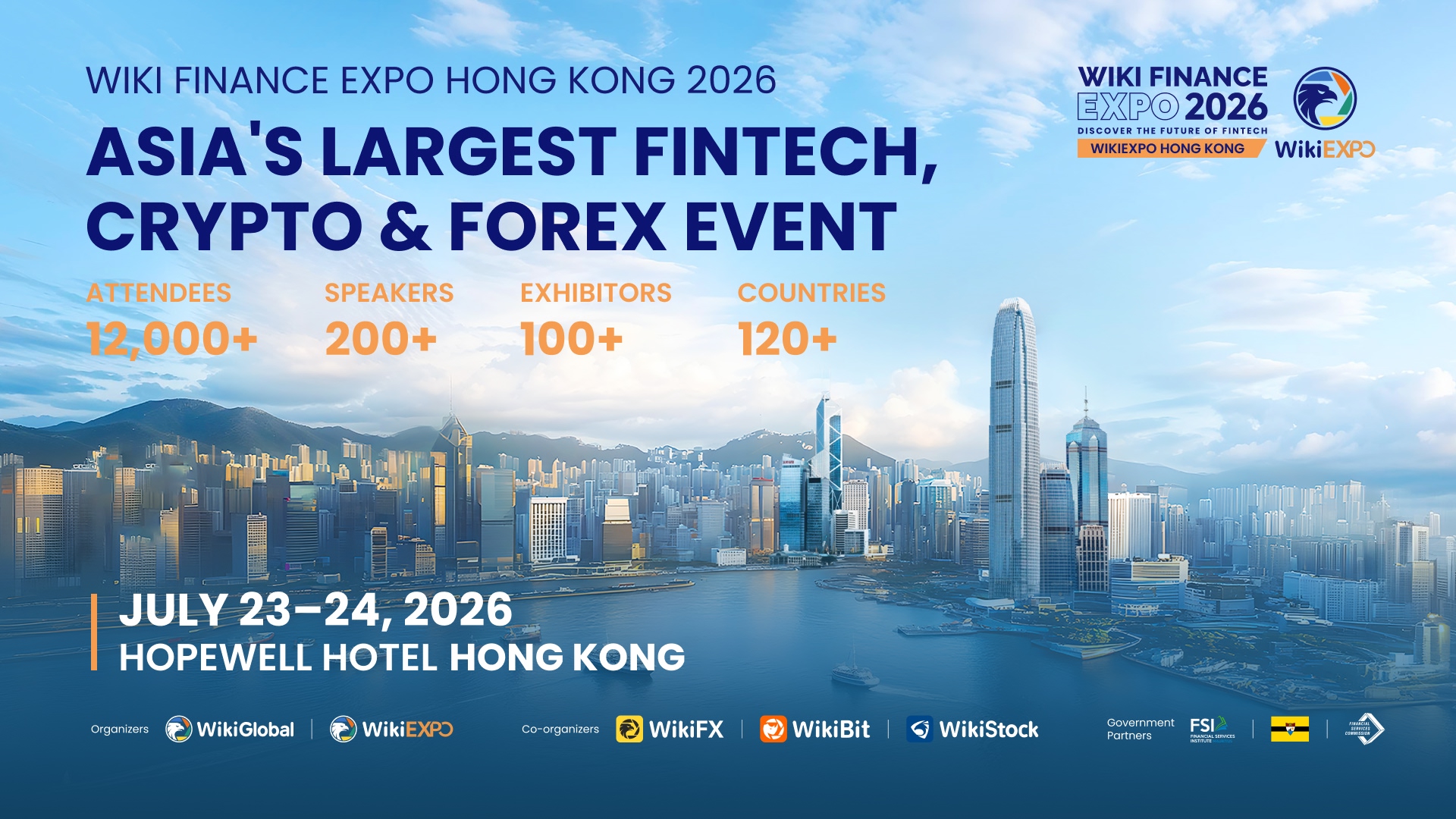
WikiEXPO Hong Kong 2026 returns to Hopewell Hotel July 23-24, welcoming crypto founders, exchange operators, and Web3 builders who’ve shaped the industry over the past decade. The conference uses Hong Kong’s unique position – caught between China’s mainland restrictions and Western regulatory pressure – to explore what comes next for digital assets.
When WikiEXPO Hong Kong opens its doors July 23-24 at the Hopewell Hotel, attendees won't just be discussing blockchain infrastructure and regulatory frameworks. They'll be navigating a city at a unique intersection of crypto culture and finance – a place where mainland China's crypto ban meets Western compliance demands, where local officials court Web3 entrepreneurs while Beijing watches closely, and where traditional finance titans carefully explore digital assets without spooking regulators.
Hong Kong's contradictions make it the perfect backdrop for WikiEXPO's latest edition. The conference launched in 2018 when crypto still felt like a niche experiment. Six years later, WikiEXPO has cycled through Dubai's glittering towers, Bangkok's chaotic energy, Singapore's sterile efficiency, and Sydney's laid-back professionalism. Each city reflected crypto's evolution – from rebel outsider to grudging establishment guest.
Key speakers and industry leaders
WikiEXPO's speaker roster reads like a who's who of crypto's past decade. Justin Sun, TRON’s founder, is known for high-profile ventures such as bidding $4.5M for lunch with Warren Buffett. Reeve Collins, who co-founded Tether during crypto's wild west era, represents the industry's infrastructure builders who worked in relative obscurity while their creations moved billions daily.
Dominic Williams brought the DFINITY Foundation's Internet Computer to life after years of research that skeptics dismissed as vaporware until it launched. Evan Auyang Chi-chun, Group President at Animoca Brands, turned NFTs and gaming into a cultural phenomenon when most people still didn't understand why anyone would pay for digital items.
The regulatory voices matter just as much. Joy Lam sits on Hong Kong's government Web3 Task Force while holding regulatory and legal roles at Binance – a dual position that would raise eyebrows in Western jurisdictions but reflects Hong Kong's pragmatic approach to crypto oversight. Mayoon Boonyarat from Thailand's Ministry of Finance represents Southeast Asia's efforts to build crypto tax frameworks without killing innovation.
Brian Norman and Bugra Celik from HSBC signal something even more significant: traditional banking giants no longer dismiss crypto as a passing fad. They're hiring directors for digital asset divisions, building custody infrastructure, and figuring out how to serve wealthy clients who want crypto exposure without abandoning century-old banking relationships.
Hong Kong's delicate balancing act
WikiEXPO chose Hong Kong deliberately. The city occupies an impossible middle ground – technically part of China under “one country, two systems,” yet operating as an international financial hub with its own regulators, legal system, and currency. Mainland China banned crypto trading and mining in 2021. Hong Kong's Securities and Futures Commission rolled out crypto exchange licensing in 2023.
This tension creates opportunity. Crypto entrepreneurs from mainland China relocated to Hong Kong, setting up offices in Central or Sheung Wan, close enough to maintain Chinese business connections while operating under Hong Kong's clearer regulatory framework. Western firms eyeing Asian markets chose Hong Kong as their regional base, accepting stricter oversight in exchange for access to Asia's capital and talent.
Loki So, WikiEXPO's Chief Operating Officer, describes Hong Kong as bridging East and West. That's diplomatic language for navigating geopolitical complexity. Hong Kong offers crypto businesses something rare: regulatory clarity in an Asian financial hub. Singapore provides similar benefits but lacks Hong Kong's direct connections to mainland China's massive market.
The city's Web3 Task Force, launched in 2022, signals official commitment to digital asset innovation. Government officials speak at crypto conferences, promote Hong Kong as a Web3 hub, and fast-track visa applications for crypto entrepreneurs. Whether this enthusiasm survives Beijing's next policy shift remains an open question.
The priorities of attendees
WikiEXPO expects over 12,000 attendees from 120+ countries – professionals attending multiple crypto conferences annually, accumulating frequent flyer miles while chasing partnerships, clients, and capital. They're not there for inspirational keynotes about blockchain changing the world. They're there because concentrated access to decision-makers beats months of cold emails.
Exchange operators meet custody providers evaluating security infrastructure. DeFi protocol developers pitch venture capitalists scanning for the next Uniswap. Payment companies demonstrate stablecoin settlement systems to banks exploring cross-border alternatives to SWIFT. Exhibitors display hardware wallets, trading platforms, and blockchain analytics tools to an audience that's seen every pitch before.
Attendees consider networking opportunities worth the travel and hotel costs in one of the world's most expensive cities. Hong Kong hotel rooms during major business events run $300-500 per night for basic accommodations, more for anything decent. July means oppressive heat and humidity, potential typhoons disrupting flights, and crowds that make the MTR subway feel claustrophobic. Attendees accept these inconveniences because everyone else does too – deal flow concentrates at conferences.
WikiEXPO competes with TOKEN2049 (Singapore's September event), Consensus (CoinDesk's annual gathering, historically in the US), Korea Blockchain Week, and European Blockchain Convention. Each conference attracts similar crowds but different geographic emphases. WikiEXPO carved out Asia-Pacific focus while TOKEN2049 dominates institutional crypto in Singapore.
Conference culture and dynamics
What makes crypto conferences fascinating isn't the panel discussions – those recycle the same talking points every quarter. It's watching traditional finance executives awkwardly navigate crypto's informal culture. Bankers in suits discussing digital assets with 30-year-old founders wearing hoodies and sneakers. Regulators attempting to understand technologies that evolved faster than rule-making processes could track.
The exhibitor floor reveals crypto's maturity trajectory. Early crypto conferences featured startups with ambitious whitepapers and no products. Now exhibitors include established exchanges processing billions in daily volume, custody providers securing institutional assets, and payment processors handling real-world transactions. The industry grew up, though it kept some of its rebellious marketing language.
Speaker lineups reflect crypto's ongoing identity crisis. Protocol founders discussing decentralization share stages with executives from centralized exchanges that look suspiciously like traditional brokerage firms. DeFi advocates promoting permissionless systems present alongside bankers building private blockchains with strict access controls. Participants reference common terms – blockchain, Web3, digital assets – while pursuing different approaches.
What July in Hong Kong actually looks like
WikiEXPO takes place at Hopewell Hotel in Wan Chai, a district mixing business hotels, bars popular with expats, and local markets selling everything from electronics to questionable designer knockoffs. The location puts attendees near Hong Kong's financial district without the premium prices of Central's luxury hotels.
July means attendees face Hong Kong summer: temperatures hovering around 31-33°C (88-91°F) with humidity that makes outdoor walking feel like moving through warm soup. Typhoon season runs June through October. If a T8 or higher typhoon signal goes up during the conference, most businesses shut down, public transport halts, and attendees shelter in hotels watching TV coverage of extreme weather.
Hong Kong International Airport connects to 220+ destinations, making it accessible from most major cities. The city maintains visa-free access for many nationalities for stays under 90 days, though travelers should verify current requirements. The MTR subway system moves people efficiently around Hong Kong Island and Kowloon, though taxis remain reasonably priced compared to Western cities.
Attendees mixing conference sessions with Hong Kong's dining scene face an overwhelming choice – from Michelin-starred restaurants to local cha chaan teng diners serving Hong Kong-style comfort food. Night markets, harbor views from Victoria Peak, and neighborhoods like Sheung Wan and Central offer breaks between networking sessions.
Registration and participation
WikiEXPO offers free registration at https://bit.ly/wikiexpohk_2026, providing access to conference programming though likely excluding VIP networking events. The LinkedIn group at https://bit.ly/linkedin_wikiexpohk2026 functions as pre-conference networking, letting attendees identify potential connections before arriving.
Sponsorship and exhibiting opportunities go through Loki So at [email protected] or Telegram https://t.me/Loki_wikiexpo_coo. Exhibitor packages vary from basic booth space to premium positions with speaking slots and branding across conference materials.
Event details:
Dates: July 23-24, 2026
Location: Hopewell Hotel, Wan Chai, Hong Kong
Registration: https://bit.ly/wikiexpohk_2026
Sponsorship: [email protected]
The content on The Coinomist is for informational purposes only and should not be interpreted as financial advice. While we strive to provide accurate and up-to-date information, we do not guarantee the accuracy, completeness, or reliability of any content. Neither we accept liability for any errors or omissions in the information provided or for any financial losses incurred as a result of relying on this information. Actions based on this content are at your own risk. Always do your own research and consult a professional. See our Terms, Privacy Policy, and Disclaimers for more details.
Articles by this author