How consumers discover new digital services

Finding a digital service used to mean asking around or picking the most recognizable name. The research process looks quite different now – and the tools consumers use to navigate it have matured considerably.
The sheer number of digital services available today makes it increasingly difficult for users to judge reliability at a glance. A category that had a handful of credible options five years ago may now have dozens, many of them presenting themselves in nearly identical terms. As a result, users have started relying on more structured ways to identify which platforms are actually worth using.
Consumer research in digital service discovery
Typically, consumers begin by exploring the options available and gradually narrow their focus to platforms that meet their needs.
The research phase has lengthened as the stakes involved in choosing a platform have increased. Evaluating a crypto exchange, licensed gaming platform, or fintech service often involves real financial risk. Getting it wrong has consequences. That reality has pushed consumers toward more thorough upfront research rather than trial and error.
Searching usually comes first, yet the results themselves need careful scrutiny. Platform websites are optimized to present favorable information. Paid placements surface prominently. Consumers who rely only on what platforms say about themselves are working with incomplete data.
The more reliable path through digital service discovery runs through third-party sources: expert reviews, user forums, regulatory databases, and structured comparison tools. Each adds a different dimension to the picture: regulatory databases verify licensing claims; community forums surface operational issues that platforms don't advertise; review coverage provides systematic evaluations of how platforms actually behave.
After initial exploration, users often turn to review platforms to validate their findings and compare services systematically.
The role of review platforms in platform evaluation
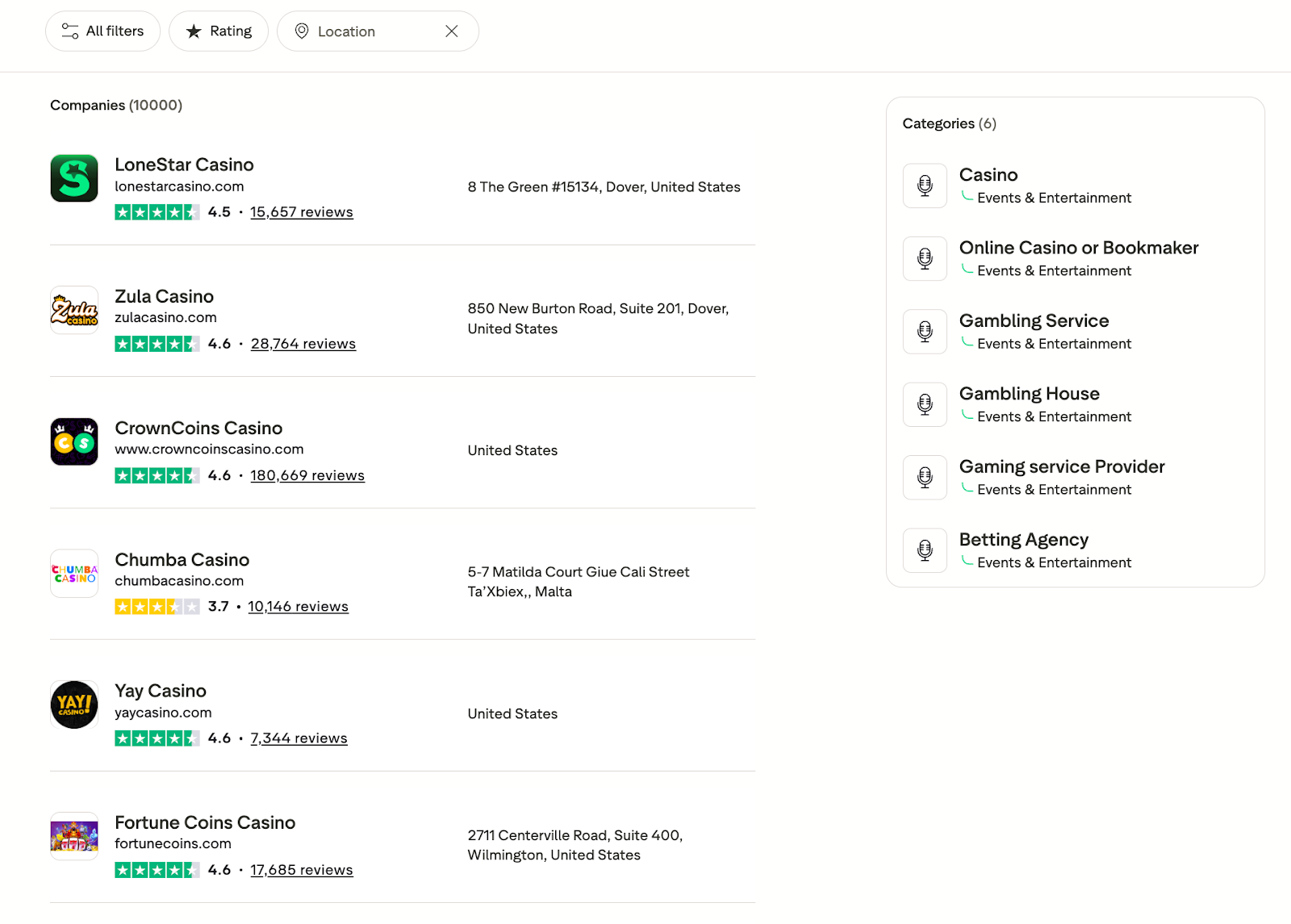
Review platforms emerged specifically to address the information gap that makes digital service discovery difficult. Manually assessing multiple platforms on fees, withdrawal speed, licensing, and support quality can be time-consuming. Review platforms do the assembly work and present it in a format designed for comparison.
Consumers increasingly turn to digital service comparison sites that cover platforms in depth – documenting licensing details, testing operational features, and presenting results in formats built for side-by-side evaluation. For users exploring a new category, that kind of structured coverage significantly reduces the research burden.
The reliability of review platforms hinges on their methodology and transparency in documenting each service. Many users have also become more cautious about distinguishing between independent reviews and sponsored promotion. The markers they look for – documented testing methodology, disclosed commercial relationships, consistent coverage of weaknesses alongside strengths – have become a baseline expectation.
Review platforms also serve a tracking function over time. Digital platforms change: policies get updated, licensing status shifts, product features are added or removed. Review sites that regularly update their coverage tend to give a more accurate picture than static reviews that quickly become outdated.
Choosing digital services
At the final stage, consumers synthesize research and comparison findings to make their choice. By this point, a consumer evaluating digital services typically has a shortlist of options and a reasonably clear picture of the tradeoffs involved in each.
What tips the decision varies by category and consumer priorities. For some, licensing and regulatory standing are the determining factor – a platform that can't verify its credentials gets eliminated regardless of other features. For others, operational specifics like payment options and withdrawal timelines matter more than anything else.
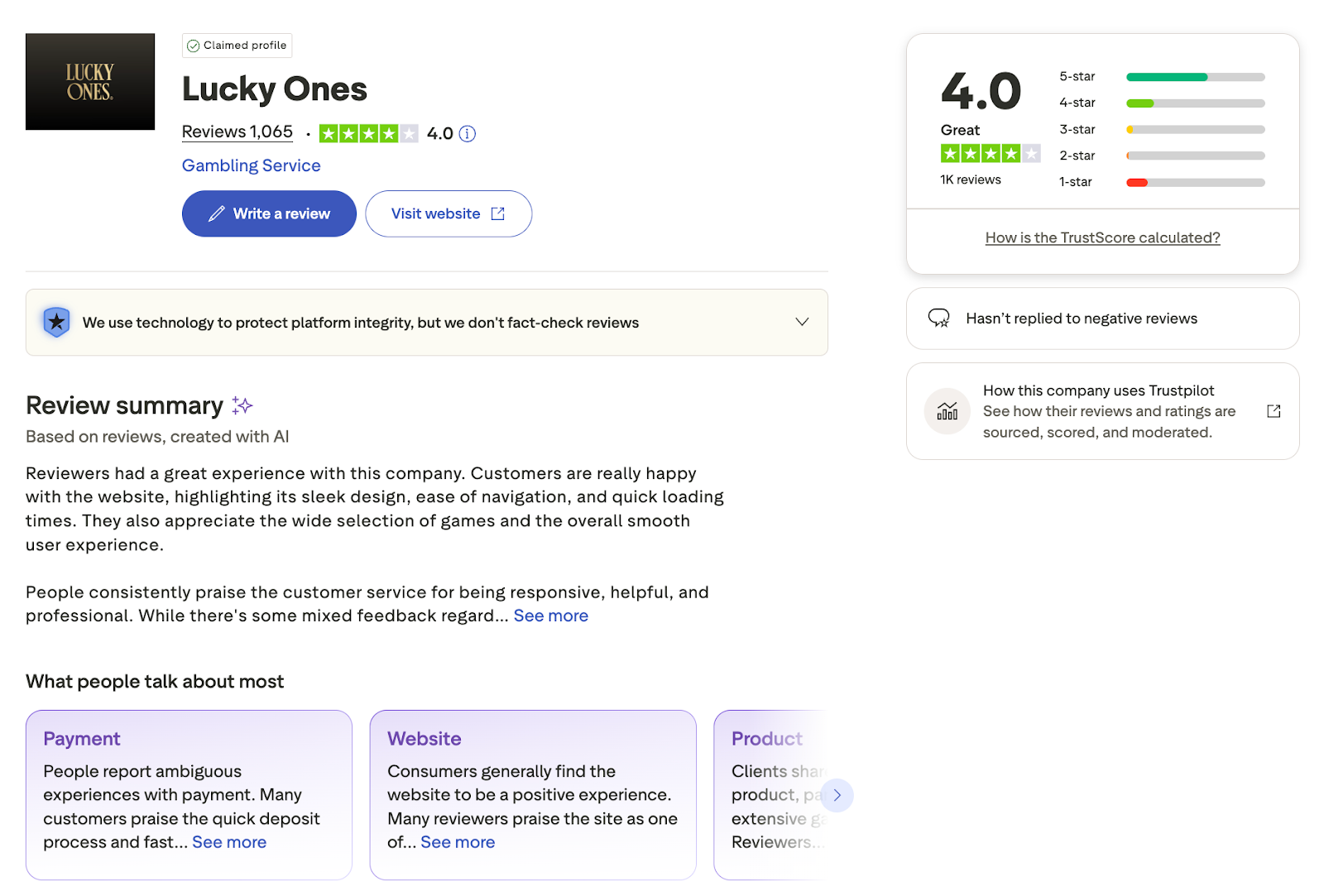
Consider a consumer evaluating a platform such as LuckyOnes alongside competing alternatives in the same category. The decision isn't made on the basis of the platform's own marketing materials. It's made on the basis of what independent review coverage documents about licensing, what payment options are actually supported, how customer support has performed for other users, and how the platform compares on the features that matter most to that particular consumer.
The tools are there. Consumers who use them tend to end up in better places than those who don't.
The content on The Coinomist is for informational purposes only and should not be interpreted as financial advice. While we strive to provide accurate and up-to-date information, we do not guarantee the accuracy, completeness, or reliability of any content. Neither we accept liability for any errors or omissions in the information provided or for any financial losses incurred as a result of relying on this information. Actions based on this content are at your own risk. Always do your own research and consult a professional. See our Terms, Privacy Policy, and Disclaimers for more details.
Articles by this author