World upgrades World ID with Tinder, Zoom and Concert Kit
World upgraded World ID with multi-key support, a public-beta World ID app, an open-source SDK and integrations including Tinder, Zoom and Concert Kit.
World announced an upgraded World ID proof-of-human protocol on Friday, adding multi-key support, key rotation, recovery mechanisms, formal session management, a public-beta World ID app and an open-source SDK.
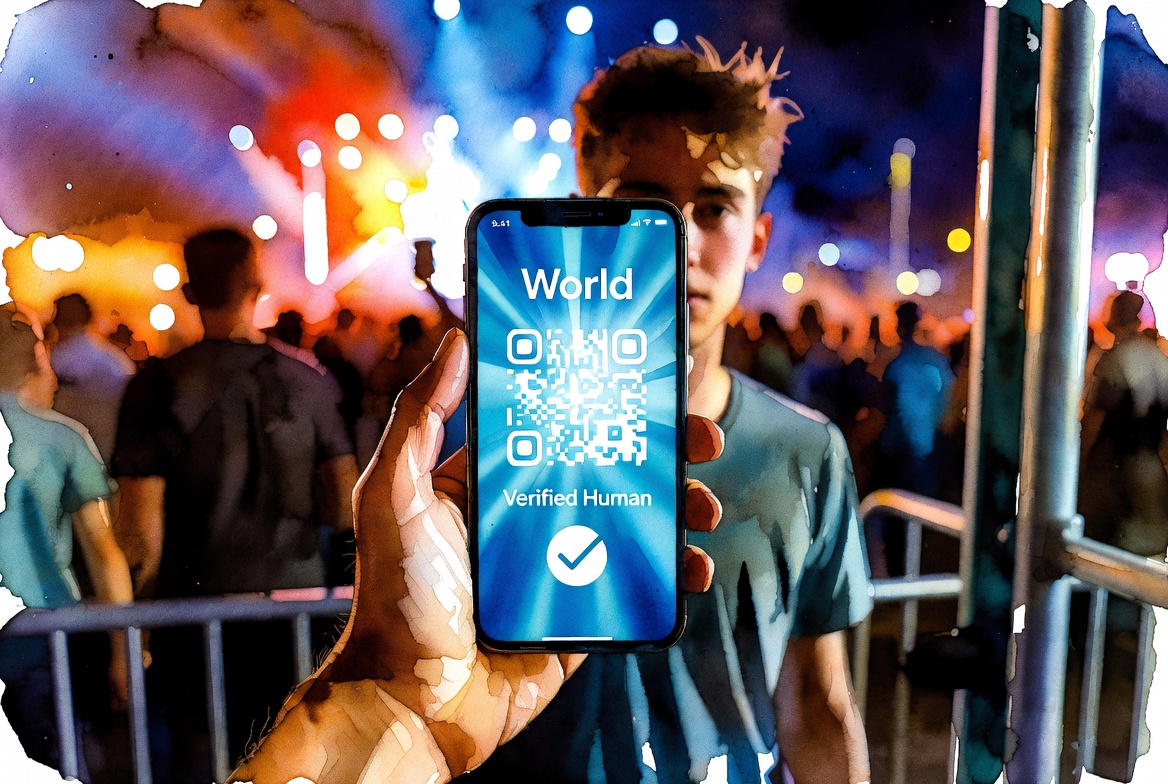
The World ID app will function as a portable authenticator that lets users manage credentials, verify with third-party platforms and control how their World ID is used online. The app will launch in public beta ahead of a wider rollout.
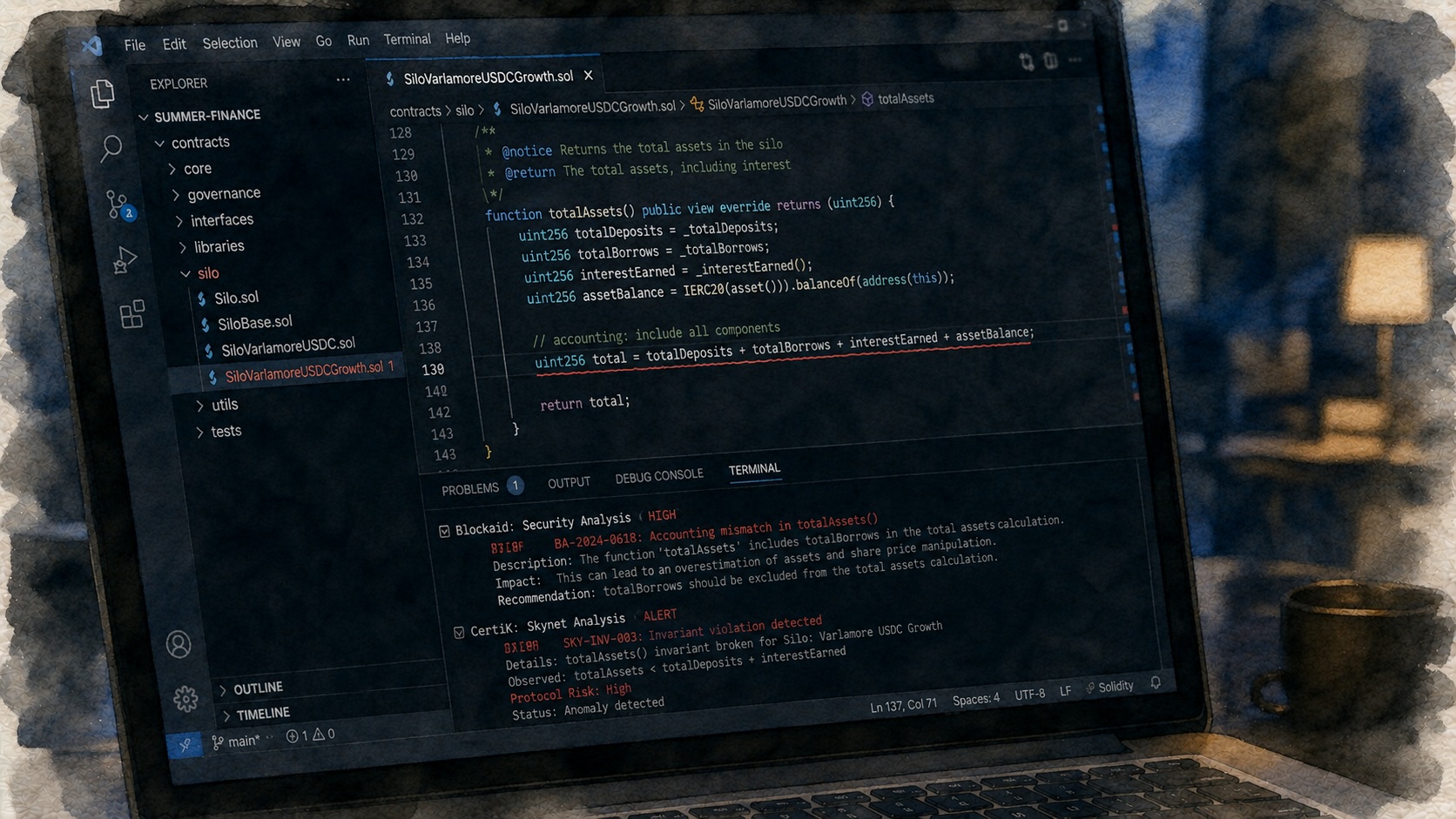
World released the World ID SDK as open source so developers can build authenticators that issue or verify World ID credentials without recreating the underlying cryptographic systems.
The protocol update introduces technical features aimed at enterprise security, including support for multiple cryptographic keys, regular key rotation cycles, formal recovery processes for lost or compromised keys and explicit session management for authenticated interactions.
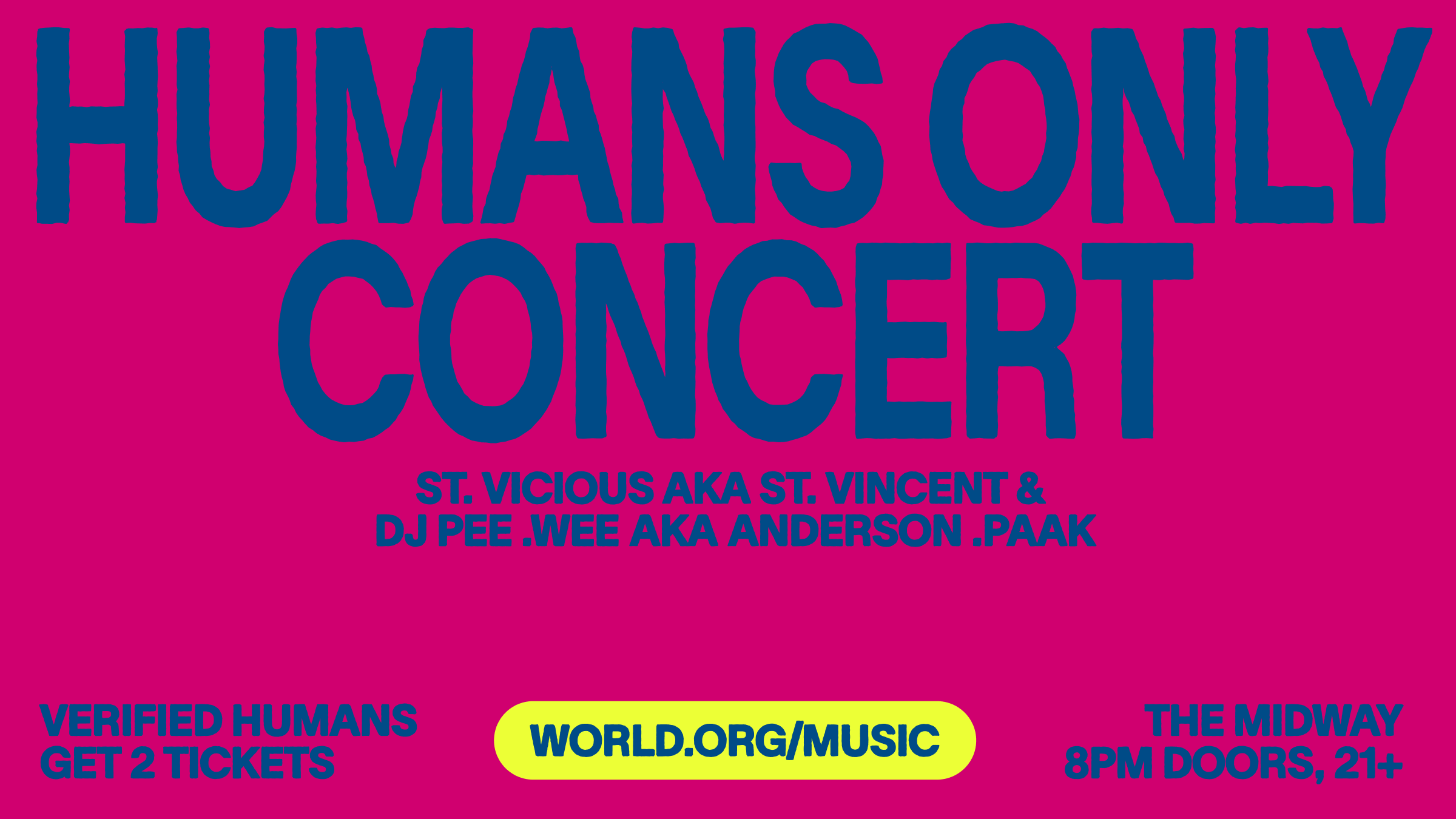
Several platforms have integrated the upgraded protocol. Tinder is rolling out a global integration that adds a visible “verified human” badge for orb-verified profiles. Zoom added a “Deep Face” protection feature that relies on a hardware-backed root of trust to help detect AI-generated deepfakes on calls. World said Concert Kit offers ticketing tools that use human verification to reduce event fraud. Reddit is evaluating World ID for accounts flagged as automated, and Razer and Mythical Games have adopted the protocol for human verification in game economies.
World described the update around a concept it calls “human continuity,” meaning the system can verify that the same unique human is present across multiple interactions rather than only verifying devices or static credentials. The company highlighted applications for digital agreements and sensitive communications where confirming the authorized individual matters.
World introduced a two-part fee structure for applications that use World ID: a credential fee set by each issuer and a protocol fee set by the network. The network said pricing will likely favor a per-monthly-active-user fee. Fee enforcement can run through prefunded wallets, with Web3 applications topping up onchain and Web2 platforms using third-party services to manage balances and accept fiat. World noted protocol fees can be allocated programmatically onchain, with the World Foundation configuring the initial allocation.
The public-beta World ID app and the open-source SDK are intended to help developers and platforms integrate human verification without building the cryptographic infrastructure from scratch.
The content on The Coinomist is for informational purposes only and should not be interpreted as financial advice. While we strive to provide accurate and up-to-date information, we do not guarantee the accuracy, completeness, or reliability of any content. Neither we accept liability for any errors or omissions in the information provided or for any financial losses incurred as a result of relying on this information. Actions based on this content are at your own risk. Always do your own research and consult a professional. See our Terms, Privacy Policy, and Disclaimers for more details.
Articles by this author