Iraq’s dinar slides as Iran strikes ripple through FX markets
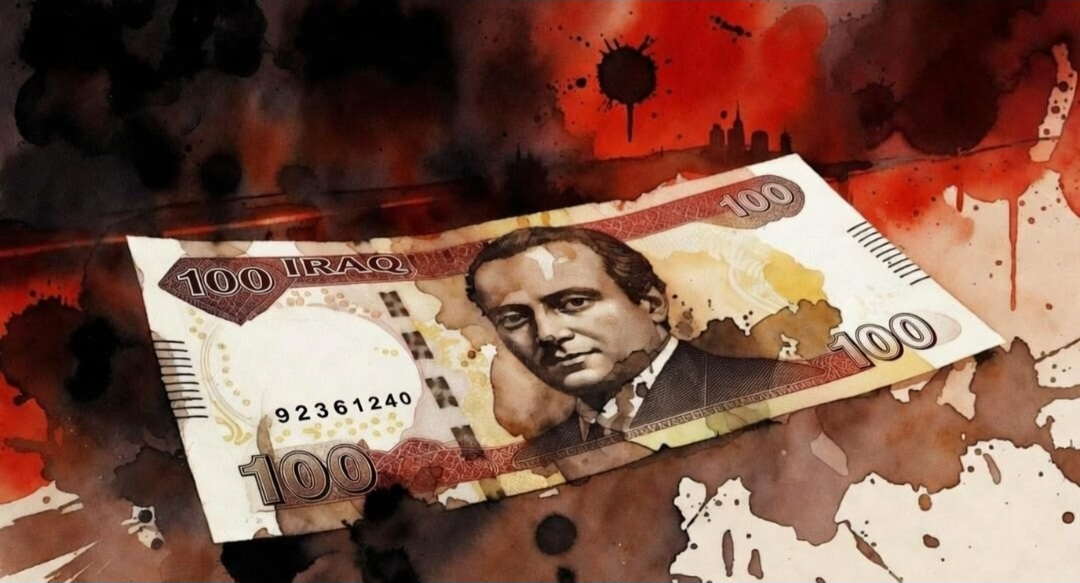
The dollar opened Sunday’s session higher across Iraq’s exchange markets. In Baghdad’s Al-Kifah and Al-Harithiya exchanges, the rate moved to 157,000 dinars per 100 dollars – up from 156,000 on Saturday. In Erbil, selling prices matched Baghdad at 157,000.
A thousand dinars per hundred dollars doesn't sound like much. In Iraq right now, it's a signal worth watching.
Iraq sits in an uncomfortable position: it shares a 1,400-kilometer border with Iran, hosts US military bases, and runs an economy almost entirely dependent on oil revenues priced in the very currency people are rushing to buy.
A peg under pressure
The Central Bank of Iraq maintains a formal peg, selling dollars at auction to defend the official rate. The budget rate for 2026 is set at 1,300 dinars per dollar – the number Baghdad uses to calculate state revenues. But the street rate tells a different story. Exchange shops in Baghdad were selling dollars at 157,500 dinars and buying at 156,500 on Sunday morning, a spread that reflects how quickly confidence can gap away from official policy when the region catches fire.
Iraq's parallel market has historically run 10–15% softer than the official rate during periods of political stress. When violence touches Iraqi soil – even if Iraq isn't the primary target – domestic savers convert dinars, foreign capital looks for the exit, and the Central Bank's dollar auction volumes come under pressure. Those reserves are substantial, but not unlimited.
Oil revenues versus militia risk
The situation cuts both ways for Iraq. Higher oil prices – which analysts at Rapidan Energy expect to rise $5–7 per barrel when markets open Sunday evening – are, in theory, good for Baghdad. Iraq's state budget runs on petroleum revenue, and a sustained spike in crude would fill government coffers faster than any reform package could.
But Iran's retaliation has already landed on Iraqi territory. Reports emerged of explosions near the US Consulate in Erbil on Sunday. Kataib Hezbollah leader Ahmad al-Hamidawi had warned before the strikes that any attack on Iranian soil would trigger “total war” involving militias across the Levant. Washington sent Baghdad a formal message on Saturday stressing the need to keep Iraq neutral – and that no military action on Iraqi territory was planned. Whether that holds is a separate question.
What to watch
For the dinar, the indicators that matter most in the coming days are the Central Bank's auction volumes and reserve drawdowns, the spread between the official and parallel market rates, and – critically – whether Iranian gas supplies to Iraq hold. Iran provides a significant share of Iraq's electricity generation fuel. If that flow is disrupted and blackouts spread, the economic fallout would arrive faster than any currency intervention could respond.
Sunday's move from 156,000 to 157,000 per hundred dollars is modest. The question is whether it stays that way.
The content on The Coinomist is for informational purposes only and should not be interpreted as financial advice. While we strive to provide accurate and up-to-date information, we do not guarantee the accuracy, completeness, or reliability of any content. Neither we accept liability for any errors or omissions in the information provided or for any financial losses incurred as a result of relying on this information. Actions based on this content are at your own risk. Always do your own research and consult a professional. See our Terms, Privacy Policy, and Disclaimers for more details.
Articles by this author