U.S.-Iran talks collapse; Trump orders Hormuz blockade
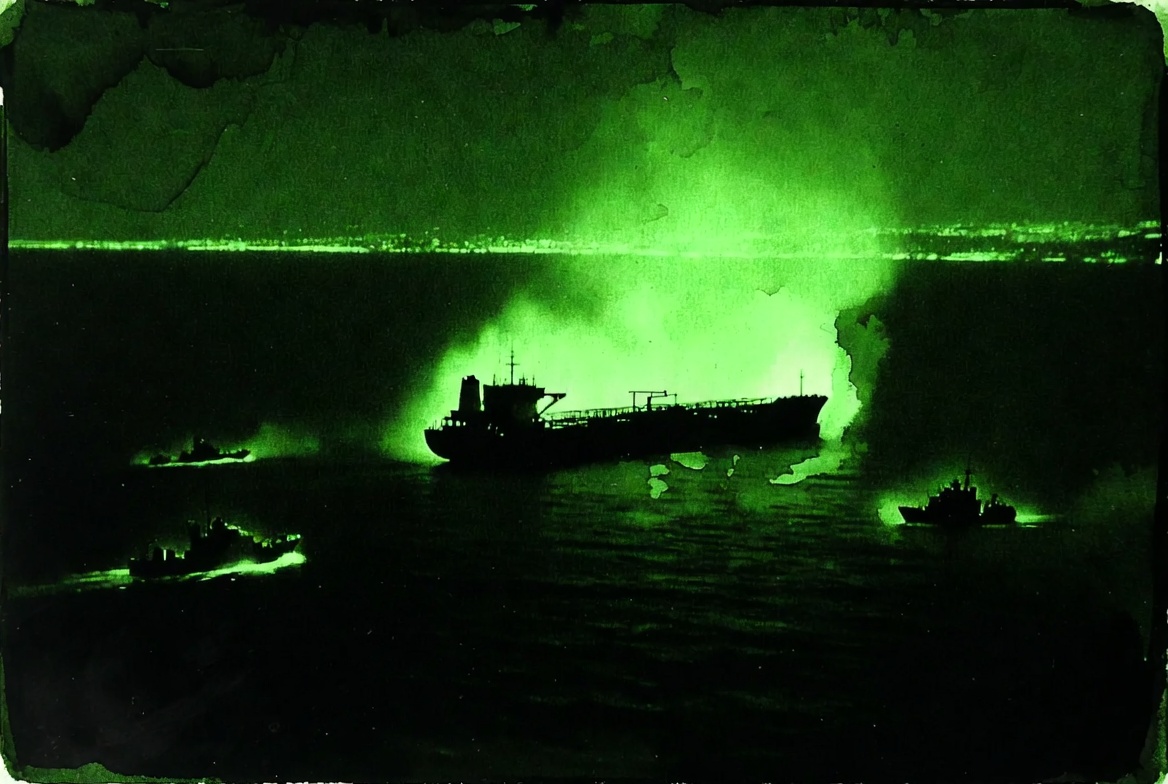
U.S. envoy JD Vance left talks in Pakistan without a nuclear agreement; President Trump ordered the U.S. Navy to blockade the Strait of Hormuz, clear reported mines and interdict vessels.
U.S.-Iran negotiations in Islamabad ended without an agreement after U.S. envoy Vice President JD Vance departed Pakistan without a deal on Iran’s nuclear program. President Trump directed the U.S. Navy to begin blockading the Strait of Hormuz, to clear reported mines and to interdict vessels that have paid transit tolls to Iran.
The talks in Pakistan, hosted by Field Marshal Asim Munir and Prime Minister Shehbaz Sharif, stretched overnight and lasted nearly 20 hours, according to the U.S. statement. Two other U.S. representatives, Special Envoy Steve Witkoff and Jared Kushner, remained in Islamabad for further discussions after Vance left.
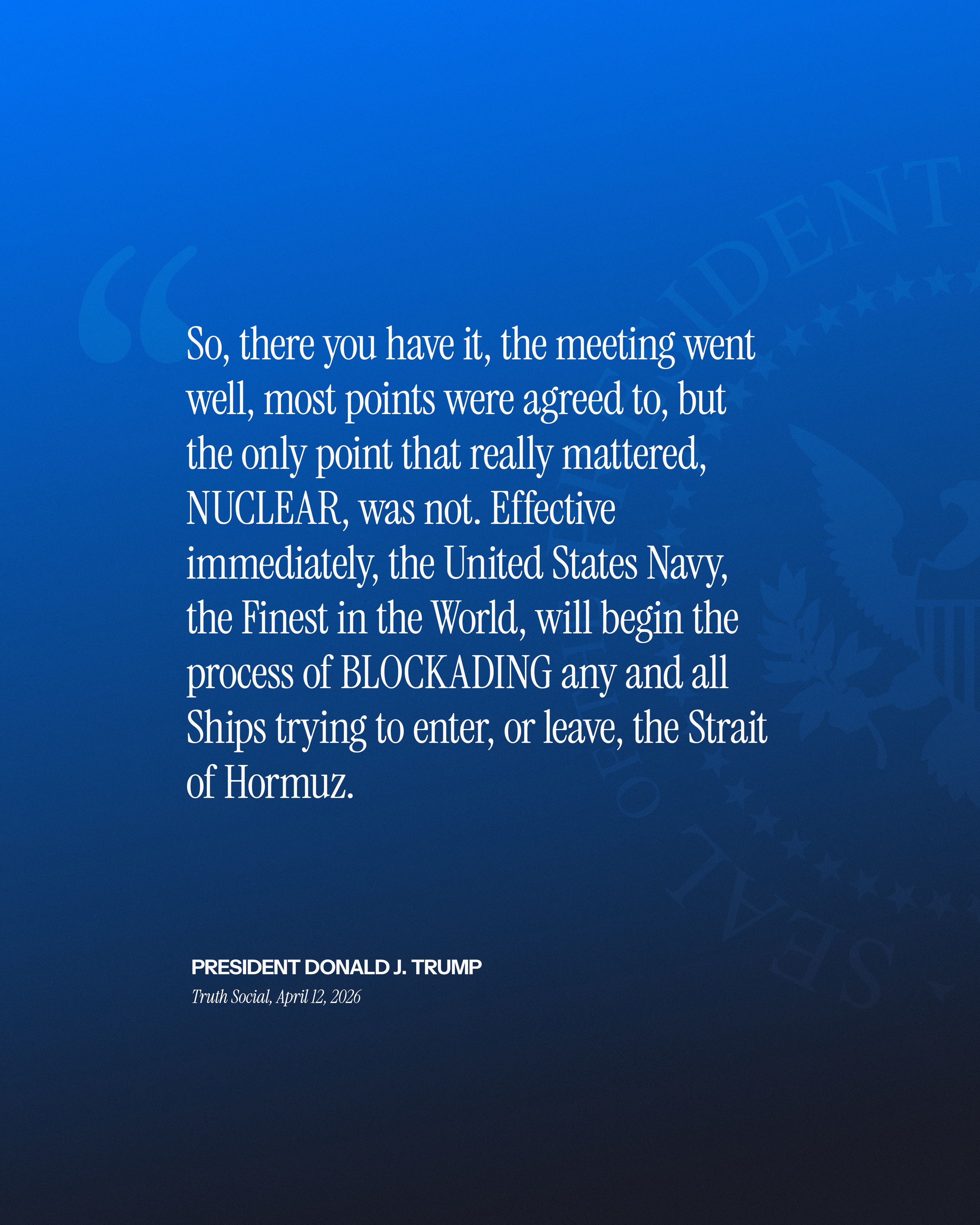
In a written statement, President Trump said the United States would “begin the process of BLOCKADING any and all Ships trying to enter, or leave, the Strait of Hormuz.” He also instructed the Navy to “seek and interdict every vessel in International Waters that has paid a toll to Iran” and to destroy mines Iran is reported to have laid. The statement included, “The Blockade will begin shortly,” and added that any Iranian forces that fire on U.S. or civilian vessels would face force. The statement reiterated that “Iran will never have a nuclear weapon.”
On the Iranian side, parliamentary speaker Mohammad-Bagher Ghalibaf, a member of Iran’s negotiating team, wrote that the opposing side “ultimately failed to gain the trust of the Iranian delegation in this round of negotiations.” Ghalibaf said Tehran expects the United States to decide whether it can earn that trust and described the session as one round that would require further trust-building for progress.
There were no immediate reports of renewed airstrikes or bombardment following the talks, and a two-week ceasefire reached during earlier diplomacy appeared to remain in effect. The U.S. statement and Iran’s response leave the immediate diplomatic status unresolved.
The Strait of Hormuz links the Persian Gulf with the Gulf of Oman and handles a substantial share of global seaborne oil shipments. Reports that mines may have been laid prompted caution among shipowners and insurers. Traders and some analysts signaled a likely rebound in crude prices after the breakdown in talks, with expectations for higher West Texas Intermediate futures on renewed supply concerns.
Pakistan’s role as host drew attention to regional mediation efforts; the failure to reach agreement in Islamabad highlights ongoing obstacles to a durable settlement over Iran’s nuclear program and related regional security issues.
The content on The Coinomist is for informational purposes only and should not be interpreted as financial advice. While we strive to provide accurate and up-to-date information, we do not guarantee the accuracy, completeness, or reliability of any content. Neither we accept liability for any errors or omissions in the information provided or for any financial losses incurred as a result of relying on this information. Actions based on this content are at your own risk. Always do your own research and consult a professional. See our Terms, Privacy Policy, and Disclaimers for more details.
Articles by this author